
A German bishop sitting down in the early 11th century to catalog the sins of his flock ended up producing one of the most revealing windows into the medieval mind ever put to parchment. What he recorded wasn’t just wrongdoing — it was a map of fears, desires, and a world where magic felt entirely real.
Burchard of Worms, a bishop and theologian, compiled a penitential handbook around the early 1000s to help priests guide their congregations through confession. The handbook, known as The Corrector, listed dozens of potential sins alongside the penances required for each. Many of those sins involved practices Burchard associated with lingering pagan traditions or what he considered dangerous and evil magic.
The result is something far more interesting than a list of church rules. It’s a record of what ordinary people in medieval Europe actually believed — and feared — about the supernatural world around them.
Why a Bishop’s Sin List Matters a Thousand Years Later
Penitential handbooks like The Corrector were practical tools. Priests used them as reference guides during confession, working through a checklist of possible transgressions with their parishioners. That means the sins Burchard chose to include weren’t random — they reflected practices common enough to be worth asking about.
In other words, if Burchard wrote it down, someone was probably doing it.
That’s what makes The Corrector such a rich historical source. It doesn’t just tell us what the Church condemned. It tells us what people believed magic could actually accomplish — and the range of that belief is genuinely surprising. Love potions, werewolves, undead infants, and skull ash all make appearances. This was not a world that drew a sharp line between the natural and the supernatural.
Strange Magical Beliefs Recorded in The Corrector
Here are the practices Burchard documented, drawn directly from his handbook. Each one offers a glimpse into how medieval people understood magic, superstition, and the power of ritual:
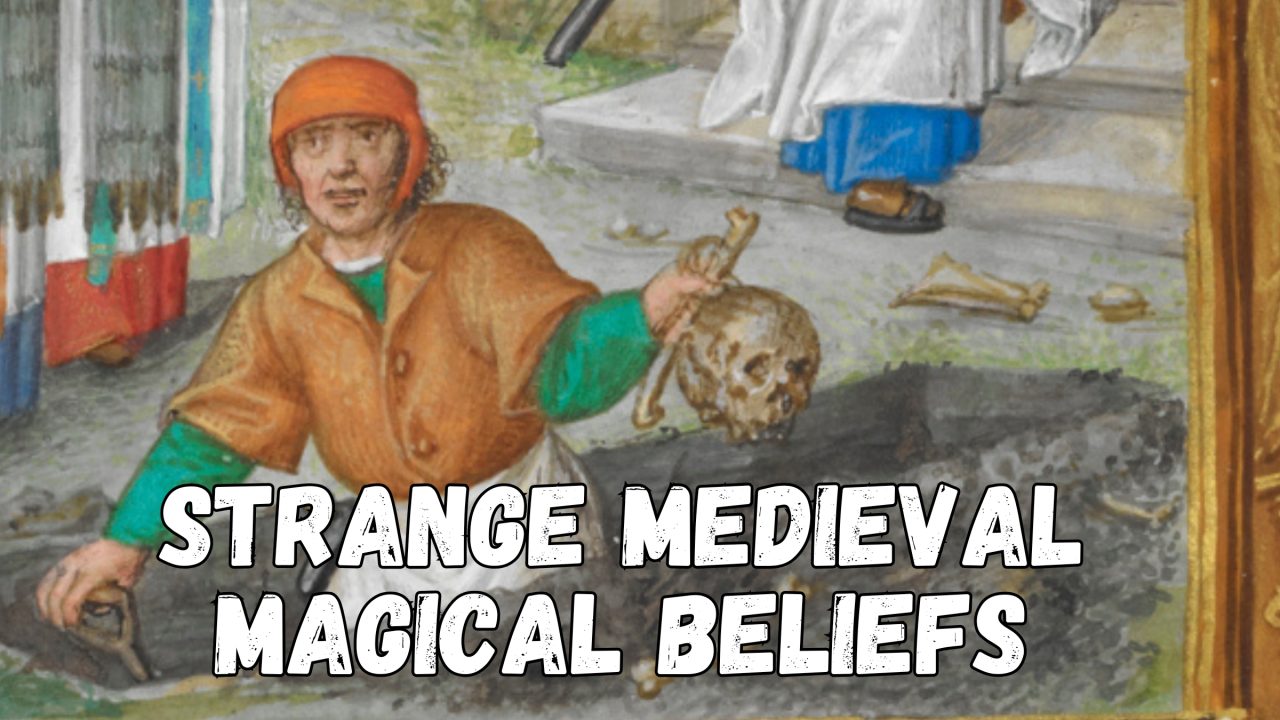
- Burning a Skull: Some women were said to take a man’s skull, burn it, and give the ashes to their husbands to drink — believed to restore or protect the husband’s health.
- Secret Burials with a Stake: If a child died unbaptized, some women reportedly placed the corpse in a secret location and drove a stake through the tiny body. The belief was that without this act, the child would rise and cause harm.
- Fishy Seduction: The source references a practice involving fish used as part of a seduction or love ritual, though the full details are cut off in the available
Burchard’s handbook also addressed fears around werewolves and the use of love potions — two categories of belief that appear repeatedly in medieval magical thinking and clearly concerned church authorities enough to be formally catalogued as sins requiring penance.
What These Beliefs Reveal About the Medieval World
Reading through The Corrector, a few things become clear. First, the boundary between Christian practice and older folk traditions was genuinely blurry for many medieval people. Burchard frames these practices as survivals of paganism, but that framing itself tells a story — these weren’t fringe beliefs held by a tiny minority. They were widespread enough to require a bishop’s formal response.
Second, many of these magical beliefs centered on protection and love. Skull ash given to a husband wasn’t about harm — it was about health. The stake through an unbaptized child’s body wasn’t cruelty; it was a mother’s attempt to protect her living family from a supernatural threat she genuinely feared. These are the acts of people navigating a world that felt deeply dangerous and largely beyond their control.
Third, the fears were intensely practical. Werewolves, undead children, and love potions weren’t abstract theological concerns — they were everyday anxieties given supernatural shape.
| Practice | Believed Purpose | How Burchard Categorized It |
|---|---|---|
| Burning a skull and giving the ashes to drink | Restoring or protecting a husband’s health | Sin linked to dangerous/evil magic |
| Staking an unbaptized infant’s body | Preventing the child from rising and causing harm | Sin linked to pagan tradition |
| Love potions | Inducing romantic or sexual attraction | Sin linked to dangerous magic |
| Werewolf-related beliefs | Fear of human transformation into wolves | Sin linked to supernatural superstition |
The Document That Preserved What the Church Wanted to Erase
There’s a quiet irony in The Corrector’s survival. Burchard wrote it to suppress these practices — to give priests the language to identify, condemn, and assign penance for magical beliefs. But in doing so, he preserved them. Without his handbook, we might know far less about what 11th-century Europeans actually believed when they weren’t sitting in church.
Historians of medieval life have long relied on documents like The Corrector precisely because official sources tend to record what authorities wanted people to do, not what they actually did. Penitential handbooks flip that dynamic. They’re a record of lived reality, filtered through a disapproving lens — but a record nonetheless.
The fact that Burchard felt compelled to address skull burning, infant staking, and werewolf fears in a formal theological document suggests these weren’t isolated incidents. They were part of a broader folk belief system that existed alongside — and sometimes tangled with — official Christianity for centuries.
Frequently Asked Questions
Who was Burchard of Worms?
Burchard of Worms was a German bishop and theologian who compiled a penitential handbook in the early 11th century, known as The Corrector, to help priests administer confession.
What was The Corrector?
The Corrector was a handbook listing dozens of potential sins and their required penances, many of which involved magical practices Burchard associated with paganism or dangerous magic.
Did medieval people actually practice these magical rituals?
Burchard’s decision to include these practices in a formal handbook suggests they were common enough to warrant a church response, indicating widespread belief rather than isolated incidents.
Why did some women stake unbaptized infants?
According to The Corrector, the belief was that an unbaptized child who died could rise and cause harm to the living family — driving a stake through the body was seen as protection against this.
Were love potions and werewolves actually addressed in The Corrector?
Yes, Burchard’s handbook included references to both love potions and werewolf-related beliefs as sins requiring penance, reflecting how seriously the Church took these supernatural fears.
Why is The Corrector historically valuable today?
Because it documents actual folk practices and beliefs of ordinary medieval people — not just official Church doctrine — making it a rare and detailed record of everyday medieval life and superstition.


Leave a Reply