
For the first time in more than 50 years, humans are preparing to fly to the moon — and the launch window opens tonight. NASA’s Artemis II mission is targeting liftoff at 6:24 p.m. ET on April 1, 2026, marking a historic moment that no amount of April Fools’ skepticism can diminish.
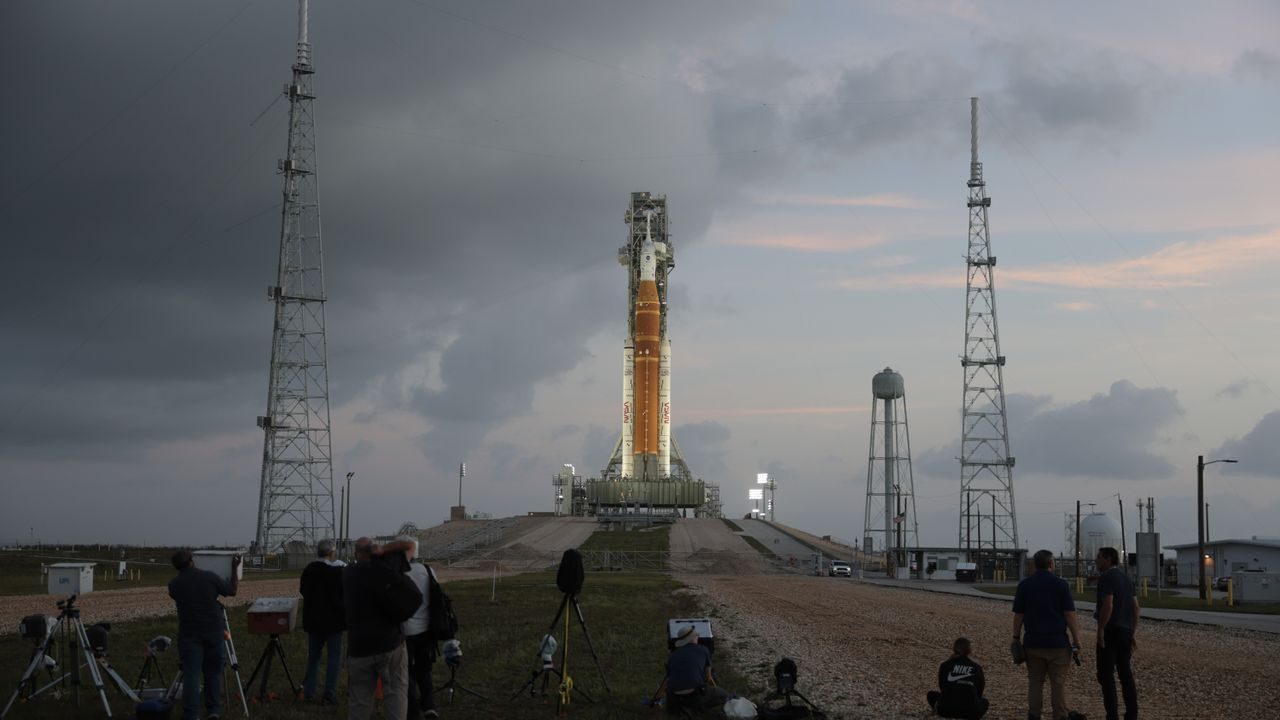
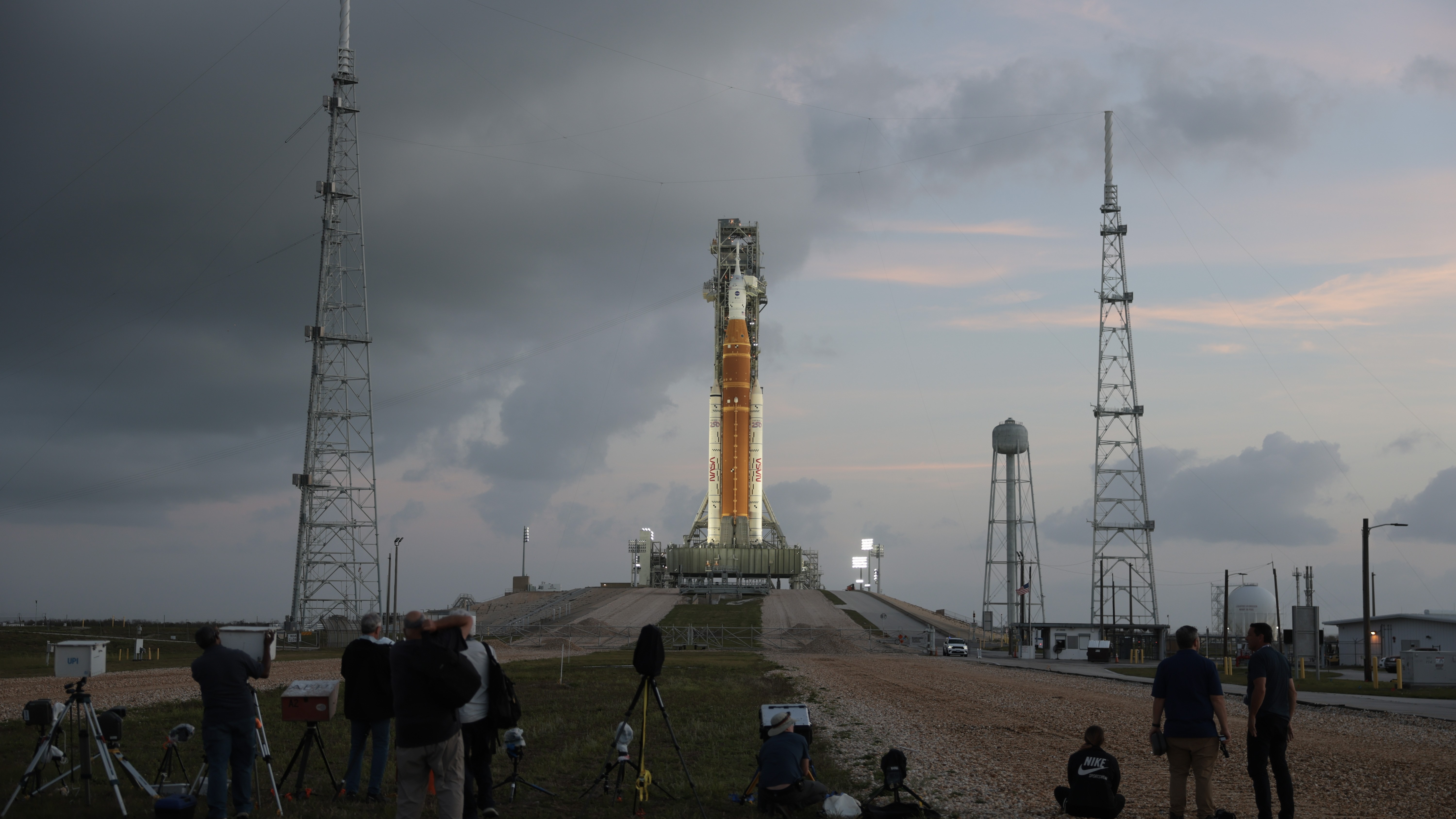
The 322-foot-tall Space Launch System rocket and Orion spacecraft are standing ready on Launch Complex 39B at Kennedy Space Center in Florida, where they have been since March 31. After months of delays, the countdown is real, the rocket is fueled, and the weather is looking favorable.

This is not a drill, and it is definitely not a joke.
What the Artemis II Mission Actually Is
Artemis II is NASA’s first crewed lunar mission since the Apollo program ended in the early 1970s. The mission is designed as a 10-day slingshot trip around the moon — a crewed flyby that will take astronauts farther from Earth than any humans have traveled in decades.
The spacecraft making this journey is the Orion capsule, launched atop NASA’s Space Launch System — the most powerful rocket the agency has ever built. At 322 feet tall, it towers over Launch Complex 39B, the same historic pad that once sent Apollo missions skyward.
The mission is not a lunar landing. Instead, it serves as a critical proving flight — putting humans inside Orion on a deep-space trajectory, testing life support systems, navigation, and crew operations in the actual environment of cislunar space before future missions attempt to land astronauts on the surface.
Everything You Need to Know About Today’s Launch Window
NASA has been precise about the parameters for today’s attempt. Here is what is confirmed:
- The launch window opens at 6:24 p.m. ET on April 1, 2026
- The window is two hours long
- NASA has assessed an 80% chance of favorable weather for today’s attempt
- Today’s conditions are forecast to be the best of any day in the current launch window
- The current launch window runs from April 1 through April 6
- If the rocket does not launch by April 6, the next available window opens on April 30
- April 30 is also the absolute deadline — the mission must lift off no later than that date
| Launch Date | Window Status | Notes |
|---|---|---|
| April 1, 2026 | Primary attempt | 80% favorable weather; best conditions in window |
| April 2–6, 2026 | Backup days | Available if April 1 attempt is scrubbed |
| April 7–29, 2026 | No launch opportunity | Outside viable window |
| April 30, 2026 | Final deadline | Last possible launch date for the mission |
Why Tonight’s Weather Odds Actually Matter
An 80% chance of favorable conditions sounds reassuring — and for a rocket launch, it genuinely is. Weather scrubs are among the most common reasons missions get pushed, and even a technically ready vehicle can be held on the pad by lightning rules, upper-level winds, or cloud cover that violates range safety constraints.
The fact that NASA’s meteorologists have identified today as the best weather day across the entire April 1–6 window adds real urgency to the attempt. If tonight’s window closes without a launch, the odds may not stack up as favorably on subsequent days.
The mission’s connection to April’s Pink Moon is also notable. The 10-day trajectory is timed around the lunar calendar, and the rocket’s path will use the moon’s gravity in a slingshot maneuver — sending the crew on a sweeping arc around our nearest neighbor before returning to Earth.
What This Moment Means for Human Spaceflight
The last time astronauts traveled to the moon was December 1972, when Apollo 17 commander Gene Cernan became the final human to walk on the lunar surface. More than five decades have passed since any person has ventured beyond low Earth orbit.
Artemis II changes that. Even as a flyby rather than a landing, the mission represents the farthest human spaceflight in living memory for most people on Earth. It is the bridge between NASA’s uncrewed Artemis I test flight — which successfully flew the Orion capsule around the moon in 2022 — and the eventual crewed lunar landing planned for later Artemis missions.
The pressure on tonight’s launch is real. Months of delays have already pushed the mission to the edge of its scheduling window, and the hard deadline of April 30 leaves little room for further setbacks.
What Happens If Tonight’s Launch Is Scrubbed
A scrub tonight would not end the mission — it would simply move the attempt to one of the backup days between April 2 and April 6. NASA routinely plans for this possibility, and the vehicle and crew would remain in a ready state for a subsequent attempt.
However, if no launch occurs before April 6, the mission faces a three-and-a-half week wait until the April 30 window opens. That final date carries its own weight: it represents the last possible opportunity to fly the mission on schedule. Missing it would mean a significant replanning effort and further delays to the broader Artemis program timeline.
For now, the rocket is on the pad, the weather looks good, and the world is watching.
Frequently Asked Questions
What time does the Artemis II launch window open?
The two-hour launch window opens at 6:24 p.m. ET on April 1, 2026.
What are the weather odds for tonight’s launch?
NASA has forecast an 80% chance of favorable weather conditions for the April 1 launch attempt, which is described as the best of any day in the current window.
How long is the Artemis II mission?
The mission is planned as a 10-day trip that will send the crew on a slingshot trajectory around the moon.
What happens if the rocket doesn’t launch tonight?
NASA has backup launch opportunities available from April 2 through April 6. If none of those attempts succeed, the next available window opens on April 30, which is also the mission’s final deadline.
Will astronauts land on the moon during Artemis II?
No. Artemis II is a crewed flyby mission, not a lunar landing. The crew will travel around the moon and return to Earth, serving as a test flight ahead of future landing missions.
Where is the rocket launching from?
The Artemis II Space Launch System and Orion spacecraft are launching from Launch Complex 39B at Kennedy Space Center in Cape Canaveral, Florida.




Leave a Reply