
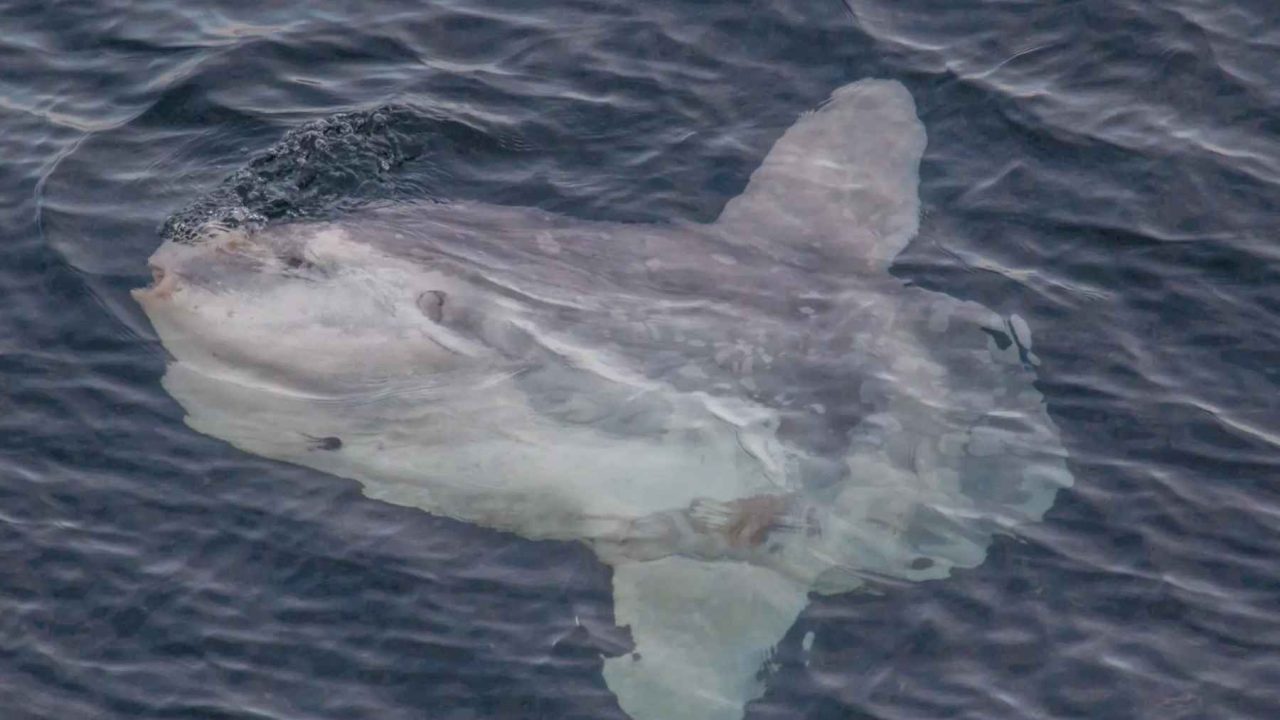
An 880-pound ocean sunfish washed up dead on a beach in Marina di Ravenna, Italy — and scientists still have no clear answer for what killed it.
The fish measured approximately 8.2 feet, or 2.5 meters, making it an extraordinary find for anyone walking the shoreline. Beachgoers stumbled across it near a jetty during what started as an ordinary coastal stroll. What followed was a rapid response from local researchers and maritime authorities who moved in to examine one of the ocean’s most unusual creatures under the most difficult of circumstances: after the fact, onshore, with whatever clues the carcass could still offer.
For marine scientists working in the Adriatic, strandings like this are rare and scientifically valuable — even when, or especially when, the cause of death remains unknown.
What Washed Ashore at Marina di Ravenna
The sunfish was discovered near the jetty at Marina di Ravenna, a coastal town along Italy’s northern Adriatic shore. According to local reporting, the animal had likely been spotted near the coast in the days before it died, and responders had actually attempted to guide it back into deeper water while it was still alive.
That effort failed. The fish reappeared as a carcass on the shoreline, leaving researchers with a frustrating but familiar problem: trying to reconstruct what happened offshore where no one was watching.
Local researchers and maritime authorities recovered the body for closer examination. As of the time of reporting, no official cause of death had been announced. The investigation was ongoing.
Why the Giant Ocean Sunfish Is Such an Unusual Animal
The ocean sunfish — known scientifically as Mola mola — is one of the heaviest bony fish on Earth. Adults routinely exceed several hundred pounds, and the largest confirmed specimens have weighed well over 5,000 pounds. The individual found at Ravenna, at roughly 880 pounds and 8.2 feet across, was a substantial but not record-breaking example of the species.
Sunfish are known for their bizarre, almost unfinished appearance — a massive oval body that seems to have no tail, with long dorsal and ventral fins that propel them through the water. They feed primarily on jellyfish and other soft-bodied prey and are found in temperate and tropical oceans worldwide, including the Mediterranean.
Despite their size, they are not well understood. Tracking their movements, health, and causes of death is genuinely difficult, which is part of why a stranding event draws scientific attention so quickly.
Key Facts About the Ravenna Sunfish Discovery
| Detail | Confirmed Information |
|---|---|
| Location | Marina di Ravenna, Italy (near the jetty) |
| Length | Approximately 8.2 feet (2.5 meters) |
| Weight | Approximately 880 pounds (400 kilograms) |
| Species | Ocean sunfish (Mola mola) |
| Cause of death | Unknown — under investigation |
| Prior sighting | Reportedly spotted alive near the coast days before stranding |
| Response | Attempted live redirection; later recovered by researchers and maritime authorities |
- The fish was found by beachgoers during a routine coastal walk
- Responders attempted to guide the sunfish back to deeper water before it died
- Local researchers and maritime authorities took charge of the recovered carcass
- Cestha, a local marine research organization, was involved in the response — its president, Simone D’Acunto, spoke to Corriere di Bologna about the case
What a Dead Sunfish Can Tell Scientists About the Adriatic
When a large marine animal washes ashore, it rarely tells a simple story. But it often tells an important one. Researchers describe strandings as a kind of forensic snapshot of the sea — a moment when the ocean’s hidden conditions become visible on land.
A carcass can reveal signs of disease, physical trauma, entanglement with fishing gear, or the presence of pollutants in the animal’s tissues. In a body of water like the Adriatic, which is heavily trafficked by commercial shipping and fishing vessels and is sensitive to broader Mediterranean environmental pressures, each data point matters.
Scientists note that changes in the Adriatic can show up quickly, and large animals that move through its waters carry evidence of those changes inside them. That’s part of why this particular sunfish — despite its mysterious death — has value to researchers even now.
The challenge is that sunfish are notoriously hard to study in the wild. They spend time at the surface basking, which makes them visible but also vulnerable to boat strikes. They also venture into deeper water where monitoring is difficult. When one dies, the window to collect useful data is narrow.
What Happens Next in the Investigation
At the time of reporting, no cause of death had been confirmed. Researchers who recovered the carcass were expected to conduct examinations that could include tissue sampling, analysis for signs of injury or disease, and testing for environmental contaminants.
These processes take time. Results from marine necropsies — the animal equivalent of a post-mortem examination — are not always conclusive, particularly when a carcass has already been exposed to the elements before recovery.
What the scientific community is watching for is any pattern. A single stranding is unusual. A cluster of strandings, or findings that link this animal’s death to a broader environmental issue, would carry much more weight. For now, the Ravenna sunfish remains an open question — one that researchers in Italy and across the Adriatic scientific community are taking seriously.
Frequently Asked Questions
Where exactly was the giant sunfish found?
The sunfish washed ashore near the jetty at Marina di Ravenna, along Italy’s northern Adriatic coast.
How big was the sunfish that washed up in Italy?
The fish measured approximately 8.2 feet (2.5 meters) in length and weighed roughly 880 pounds (400 kilograms).
What killed the giant sunfish?
The cause of death has not been confirmed. Scientists recovered the carcass for examination, but no official findings had been announced at the time of reporting.
Was the sunfish seen alive before it washed up?
Yes. According to local reporting, the sunfish had reportedly been spotted near the coast in the days before it died, and responders attempted to guide it back into deeper water while it was still alive.
Who is investigating the death?
Local researchers and maritime authorities recovered the carcass. Cestha, a local marine research organization whose president Simone D’Acunto spoke to Corriere di Bologna, was involved in the response.
Is it rare for a sunfish this large to wash up on an Italian beach?
Ocean sunfish do occasionally strand in the Mediterranean, but a specimen of this size washing ashore draws significant scientific attention, particularly because the cause of death remains unexplained.



Leave a Reply