
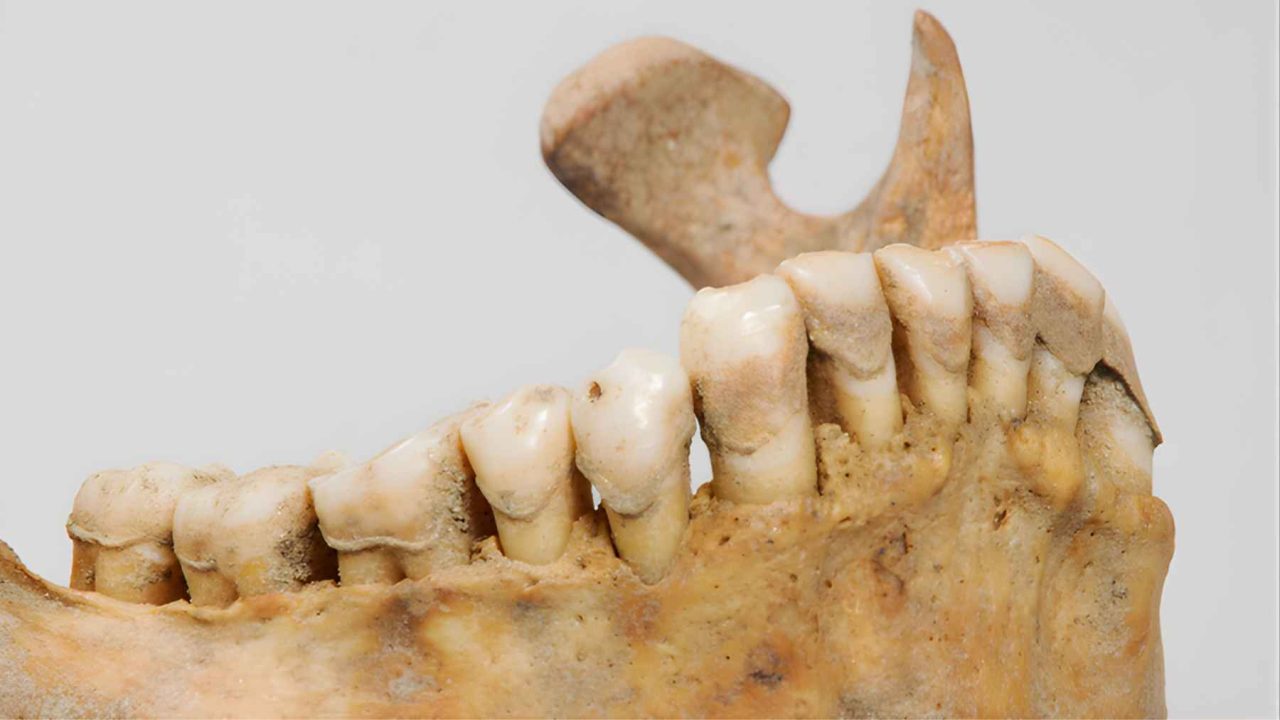
A set of 4,000-year-old teeth has just delivered what researchers are calling the earliest direct chemical evidence of betel nut use in Southeast Asia — and it’s forcing scientists to rethink how far back this deeply rooted cultural habit actually goes.
The discovery comes from a Bronze Age burial site in central Thailand, where hardened dental plaque preserved on the molars of a young woman held traces of compounds linked to betel nut consumption. That plaque, essentially ancient dental calculus that calcified over millennia, acted as a chemical time capsule — one that researchers were only recently able to read with enough precision to draw meaningful conclusions.
It’s a small find with potentially large implications. Betel nut remains one of the most widely consumed psychoactive substances in the world today, used by hundreds of millions of people across South and Southeast Asia. Understanding when and where that habit took root could reshape how archaeologists trace the spread of plant-based stimulants through ancient cultures.
What Researchers Found Inside Ancient Dental Plaque
The research was led by Piyawit Moonkham at Chiang Mai University. The team focused on skeletal remains recovered from Nong Ratchawat, a cemetery site in what is now central Thailand. Among the specimens examined, one young woman’s molars stood out.
Preserved within her hardened dental plaque, researchers detected key chemical compounds associated with betel nut — specifically compounds known to boost alertness and produce a mild sense of euphoria. These are the same active substances that give betel nut its reputation as a stimulant across the region today.
Dental calculus has become an increasingly valuable tool in archaeology. Unlike bones, which can degrade or absorb contamination from surrounding soil, calcified plaque traps organic residues from food and plants consumed during a person’s lifetime. It essentially freezes a chemical snapshot of what someone was putting in their mouth — sometimes for thousands of years.
What makes this particular find significant is not just the age of the evidence, but the method used to confirm it. This is described as the earliest direct chemical evidence of betel nut use in Southeast Asia — meaning previous claims about ancient betel consumption were largely inferred from indirect clues like areca palm remains or associated lime deposits found at sites, rather than from compounds detected in human remains themselves.
The Plant Behind the Discovery: What Betel Nut Actually Is
Betel nut is the seed of the areca palm. On its own, it has a bitter, astringent taste — but it’s rarely consumed alone. Across South and Southeast Asia, users traditionally wrap it in a betel leaf along with slaked lime to create a chew known as a quid. The lime activates the nut’s compounds, producing the stimulant effect that users seek.
The effects are real and measurable. Betel nut contains alkaloids that stimulate the nervous system, making users feel more awake, talkative, and alert. Many people describe it as taking the edge off a long day or helping them stay focused during physical labor. For centuries, it has also played a role in social rituals, ceremonies, and hospitality customs across the region.
| Element | Detail |
|---|---|
| Plant source | Areca palm seed (betel nut) |
| Traditional preparation | Wrapped in betel leaf with slaked lime, forming a quid |
| Reported effects | Increased alertness, euphoria, talkativeness |
| Discovery site | Nong Ratchawat, central Thailand |
| Age of evidence | Approximately 4,000 years (Bronze Age) |
| Lead researcher | Piyawit Moonkham, Chiang Mai University |
| Evidence type | Chemical compounds in hardened dental plaque |
Today, betel nut use is also a significant public health concern. Long-term chewing is associated with oral health problems and is classified as a carcinogen. But for the communities that have used it for generations, it remains a deeply embedded social and cultural practice — one that, as this new research suggests, may stretch back far further than previously documented.
Why Other Researchers Are Cautiously Optimistic
Not everyone is ready to declare this a settled question. Other archaeologists have welcomed the technical achievement while urging restraint in interpreting what it means at a population level.
The concern is reasonable. A single individual’s dental plaque, however well-preserved and chemically analyzed, represents one data point. Researchers outside the study have noted that more evidence is needed before concluding that betel nut chewing was already a widespread cultural habit across the region four thousand years ago. It’s possible this woman was part of a community where the practice was common — or she could have been an early adopter in a time when the habit was just beginning to spread.
That kind of scientific caution is healthy. The value of this discovery isn’t necessarily in what it proves definitively, but in what it opens up. It demonstrates that chemical analysis of dental calculus from Bronze Age Southeast Asian sites can detect betel nut residues — which means researchers now have a reliable method to test other specimens and build a broader picture over time.
What This Changes for the Archaeology of Ancient Stimulant Use
Tracking how ancient peoples used psychoactive plants has always been difficult. Most plant material doesn’t survive thousands of years in the archaeological record. Researchers have historically relied on finding seeds, leaves, or associated tools — all of which can be ambiguous. A seed found near a burial might mean the plant was consumed, or it might mean something else entirely.
Direct chemical detection in human remains cuts through that ambiguity. If the compounds are in the teeth, they were in the person’s mouth. This approach has already transformed what we know about ancient drug and stimulant use in other parts of the world, and this study suggests it can do the same for Southeast Asia.
The Nong Ratchawat site and its Bronze Age occupants now sit at the center of a broader question: how did betel nut use spread across the region, when did it become culturally embedded, and what role did it play in the social lives of communities that left few written records? Those questions won’t be answered by one woman’s teeth alone — but her molars have given researchers a new and more precise tool to start looking for answers.
Frequently Asked Questions
What is betel nut and why do people use it?
Betel nut is the seed of the areca palm, traditionally chewed with betel leaf and slaked lime to create a stimulant effect. Users report feeling more alert, talkative, and energized.
Where was this 4,000-year-old evidence discovered?
The evidence was found at Nong Ratchawat, a Bronze Age cemetery site in central Thailand, during analysis of skeletal remains there.
How did researchers detect betel nut use in ancient teeth?
The team analyzed hardened dental plaque — also called dental calculus — from the woman’s molars and identified chemical compounds associated with betel nut consumption.
Who led this research?
The study was led by Piyawit Moonkham at Chiang Mai University.
Does this prove betel nut was widely used 4,000 years ago?
Not definitively. Other archaeologists note that more evidence is needed before concluding the practice was already widespread across the region at that time.
Why does this discovery matter beyond archaeology?
It demonstrates a reliable chemical method for detecting ancient betel nut use in human remains, giving researchers a new tool to trace the history of one of the world’s most widely consumed psychoactive substances.



Leave a Reply