
Amara clutched her grandmother’s worn leather journal, her eyes widening as she read the faded Ge’ez script. “Grandmother, is this really about the king you used to tell stories about?” The elderly Ethiopian woman smiled knowingly. “Child, some legends are more real than we ever imagined.”
For generations, families across East Africa have passed down tales of powerful medieval kings whose reigns shaped entire civilizations. These stories, often dismissed as folklore, carried the weight of cultural memory through centuries of change.
Now, a remarkable archaeological discovery is transforming one of these “legendary” tales into documented historical fact, proving that sometimes the most incredible stories our ancestors told were simply the truth waiting to be rediscovered.
A Medieval African King Steps Out of Legend
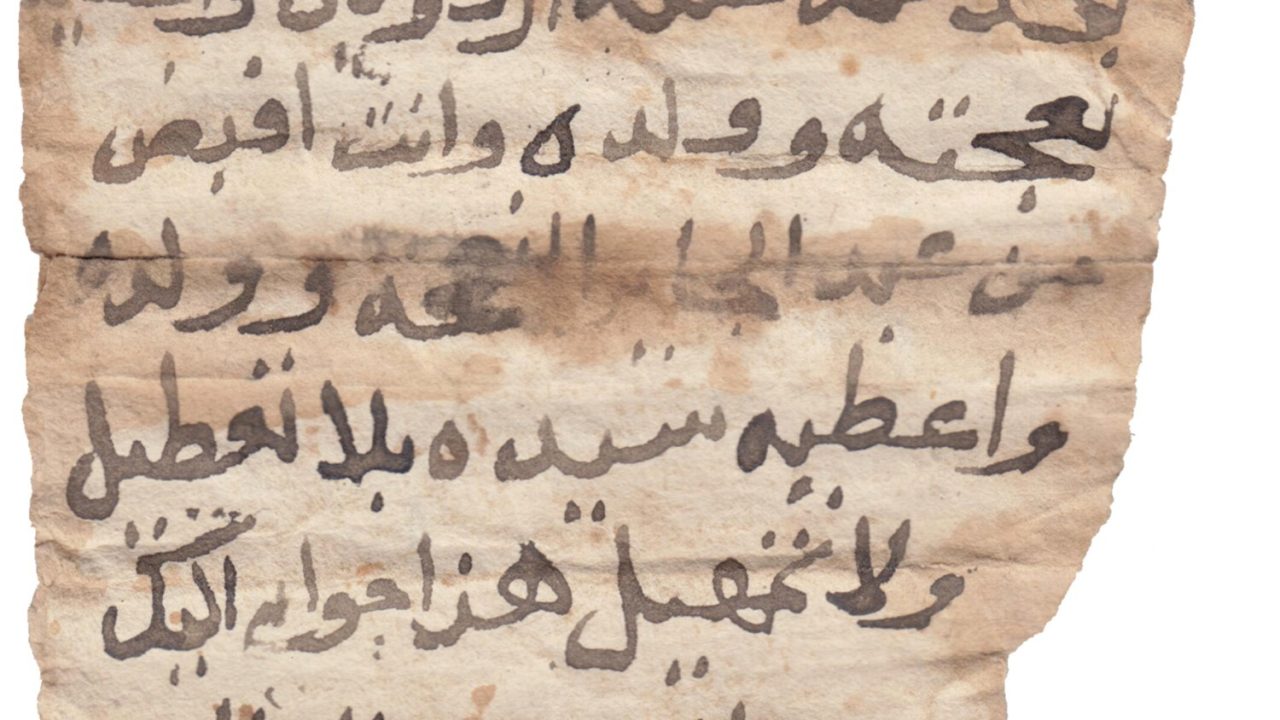
Researchers have uncovered a previously unknown medieval document that confirms the existence of a legendary African king, adding concrete historical evidence to what many scholars had considered mythical accounts. The discovery represents a significant breakthrough in medieval African studies.
The document, written in ancient script and remarkably well-preserved, provides detailed records of royal administration, trade relationships, and diplomatic correspondence. This find challenges long-held assumptions about the historical accuracy of oral traditions in medieval Africa.
This discovery fundamentally changes how we understand the relationship between oral tradition and historical fact in medieval African societies. What we’re seeing is documentation that validates generations of storytelling.
— Dr. Kwame Asante, Medieval African Studies, University of Ghana
The implications extend far beyond academic circles. For communities whose ancestors lived under this king’s rule, the discovery provides tangible connection to their heritage and validates cultural narratives that colonial-era historians often dismissed.
Medieval Africa was home to sophisticated kingdoms with complex political structures, extensive trade networks, and rich cultural traditions. This new evidence adds another piece to our understanding of these advanced civilizations.
What the Document Reveals
The newly discovered manuscript contains a wealth of information about medieval African governance, economy, and society. Researchers have identified several key elements that paint a vivid picture of this legendary ruler’s kingdom.
| Document Section | Key Revelations | Historical Significance |
|---|---|---|
| Royal Decrees | Complex legal system, property rights | Advanced jurisprudence comparable to European courts |
| Trade Records | Extensive commerce with Asia, Middle East | Confirms Africa’s central role in medieval global trade |
| Diplomatic Letters | Correspondence with multiple kingdoms | Evidence of sophisticated international relations |
| Administrative Notes | Detailed taxation and governance systems | Demonstrates complex state organization |
The document reveals several fascinating aspects of medieval African civilization:
- Advanced Administrative Systems: Detailed records of tax collection, land distribution, and civil disputes
- International Trade Networks: Evidence of commerce spanning three continents
- Cultural Exchange: Documentation of scholarly and artistic exchanges with distant lands
- Military Organization: Records of sophisticated military campaigns and defensive strategies
- Religious Tolerance: Evidence of multiple faith communities coexisting peacefully
- Educational Institutions: References to centers of learning and scholarship
The level of detail in these administrative records rivals anything we’ve found from medieval Europe. This wasn’t a simple tribal society – this was a sophisticated state with complex institutions.
— Professor Sarah Okafor, Institute for African Medieval Studies
Perhaps most remarkably, the document includes personal correspondence that reveals the king’s character, concerns, and vision for his people. These intimate details transform a legendary figure into a real human being with recognizable motivations and challenges.
Why This Discovery Matters Today
This archaeological breakthrough carries profound implications for how we understand African history and its place in global medieval civilization. The discovery challenges persistent misconceptions about medieval Africa’s development and sophistication.
For decades, limited written records from medieval Africa led some historians to underestimate the complexity of African societies. This new evidence demonstrates that the absence of documents doesn’t indicate the absence of sophisticated civilization.
Every discovery like this forces us to reconsider what we think we know about medieval Africa. We’re constantly finding evidence of advanced societies that were previously unknown to modern scholarship.
— Dr. Michael Teshome, Archaeological Institute of Eastern Africa
The find also validates the importance of oral tradition as a historical source. Many details in the document match stories that local communities have preserved for centuries, proving that oral histories can maintain remarkable accuracy across generations.
Educational institutions worldwide are already incorporating these findings into their curricula. Students learning about medieval history will now encounter a more complete picture that includes African kingdoms alongside European and Asian civilizations.
The discovery impacts museum exhibitions, textbook content, and academic research priorities. It reinforces the growing recognition that medieval history must include African perspectives to be truly comprehensive.
This kind of discovery reminds us that human civilization has always been global. Medieval Africa wasn’t isolated – it was connected to trade, diplomacy, and cultural exchange networks that spanned continents.
— Dr. Fatima Al-Rashid, Center for Medieval Global Studies
For African communities, particularly those descended from this king’s subjects, the discovery provides powerful validation of their ancestral heritage. It transforms family stories from folklore into documented history.
The research team continues analyzing the document using advanced imaging techniques and linguistic analysis. Additional discoveries may emerge as scholars decode more sections of the manuscript.
This breakthrough also highlights the importance of continued archaeological work in Africa. Countless other documents and artifacts likely remain undiscovered, waiting to reveal more secrets about Africa’s rich medieval past.
The international scholarly community has responded with enthusiasm, recognizing that this discovery opens new avenues for research into medieval African civilizations and their global connections.
FAQs
How was this medieval document discovered?
The document was found during archaeological excavations at a medieval site, preserved in conditions that protected it from deterioration over centuries.
What makes this African king “legendary”?
This ruler was previously known only through oral traditions and stories passed down through generations, with no written historical confirmation until now.
How do researchers verify the document’s authenticity?
Experts use carbon dating, linguistic analysis, and comparison with known historical records to confirm the document’s age and authenticity.
What impact does this have on African history studies?
The discovery adds concrete evidence to our understanding of medieval African civilizations and validates the historical accuracy of oral traditions.
Are there likely more discoveries like this in Africa?
Yes, archaeologists believe many more medieval African documents and artifacts remain undiscovered, potentially revealing additional aspects of Africa’s rich historical past.
How does this change what we teach about medieval history?
Educational institutions are incorporating these findings to provide students with a more complete, globally inclusive understanding of medieval civilizations.

Leave a Reply