
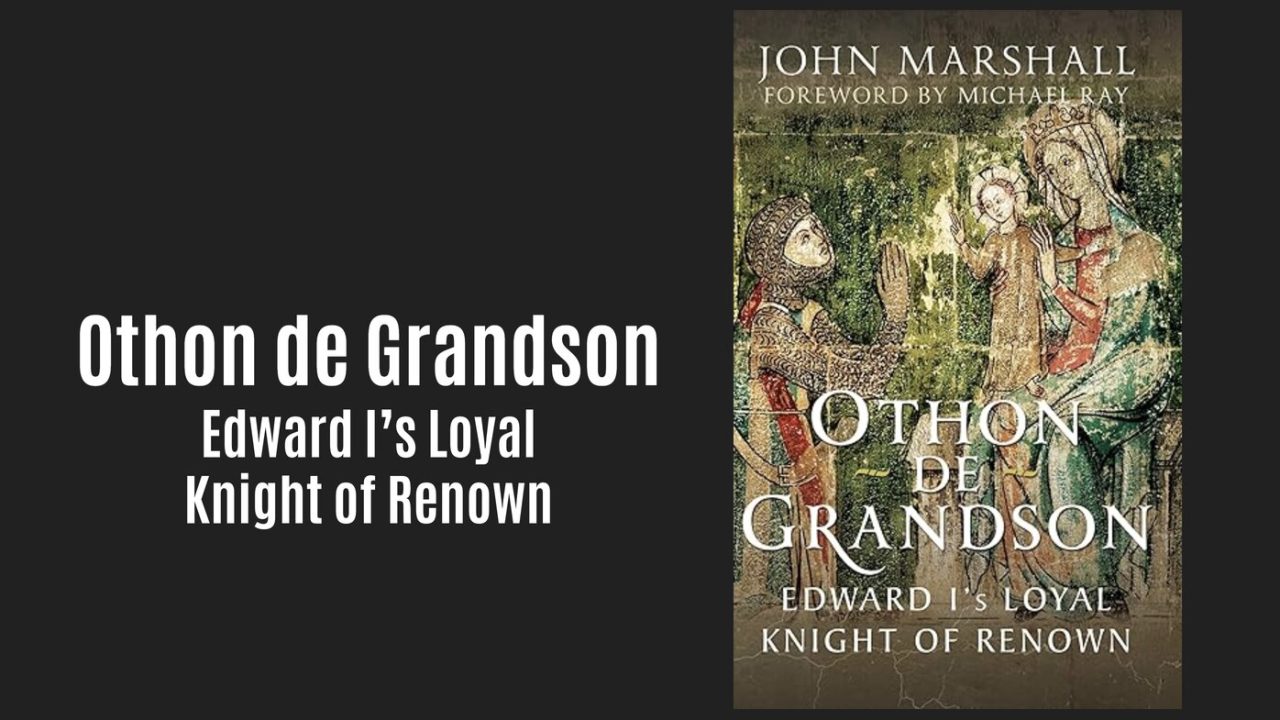
Professor Elena Marchetti had always believed that the most fascinating stories lay hidden in dusty manuscripts, waiting centuries for someone to piece together their secrets. But nothing prepared her for the moment she opened a newly digitized collection and found herself face-to-face with the lost poetry of Othon de Grandson – a medieval knight whose romantic verses had captivated courts across Europe in the 14th century.
“I actually gasped out loud,” she recalls, her eyes still bright with excitement weeks later. “Here was this voice from 600 years ago, speaking about love and loss in ways that felt startlingly modern.”
Elena’s discovery represents just one piece of an exciting renaissance happening right now in medieval literature. New books about figures like Othon de Grandson are bringing forgotten voices back to life, and the timing couldn’t be better for readers hungry for authentic stories from the past.
Why Medieval Literature Is Having Its Moment
Othon de Grandson wasn’t your typical medieval knight. Born around 1340 in Savoy, he spent his life moving between the courts of England and continental Europe, serving both as a warrior and a poet. His unique position gave him insights into courtly culture that few of his contemporaries could match.
What makes Grandson particularly fascinating is how he bridged different literary traditions. He wrote in French but spent significant time in English courts, creating a cross-cultural perspective that scholars are only now fully appreciating.
The new scholarship on Grandson reveals him as far more than just another courtly poet. He was essentially a cultural ambassador, translating ideas and emotions across national boundaries.
— Dr. James Whitmore, Medieval Literature Specialist
Recent publications have uncovered previously unknown aspects of Grandson’s work, including his influence on English poetry and his role in developing what we now recognize as early forms of romantic literature.
What These New Books Reveal
The latest wave of medieval scholarship has produced several groundbreaking books that completely reshape our understanding of figures like Othon de Grandson. These aren’t dry academic texts – they’re engaging narratives that bring medieval personalities to vivid life.
Here’s what recent publications have uncovered about medieval literary culture:
- Previously unknown manuscripts revealing personal correspondence between poets and patrons
- Evidence of extensive literary networks connecting courts across Europe
- New translations that capture the emotional depth of medieval poetry
- Detailed analysis of how political events shaped literary expression
- Connections between medieval themes and modern literary movements
| Key Medieval Figures | New Discoveries | Modern Relevance |
|---|---|---|
| Othon de Grandson | Cross-cultural court poetry | International literary exchange |
| Christine de Pizan | Early feminist writings | Women’s rights advocacy |
| Guillaume de Machaut | Musical-literary fusion | Multimedia storytelling |
| John Gower | Multilingual compositions | Global communication |
These medieval writers were dealing with the same human experiences we face today – love, betrayal, political uncertainty, social change. The language may be different, but the emotions are universal.
— Professor Sarah Chen, Cultural Historian
How This Changes Everything We Thought We Knew
The new books emerging about medieval figures like Othon de Grandson aren’t just adding footnotes to history – they’re completely rewriting our understanding of medieval culture. These works reveal a world far more sophisticated and emotionally complex than previous scholarship suggested.
For decades, medieval literature was often dismissed as rigid and formulaic. The new research shows exactly the opposite. Medieval poets were experimenting with form, pushing boundaries, and creating works of surprising psychological depth.
Take Grandson’s approach to love poetry, for example. Rather than simply following courtly love conventions, he was subtly subverting them, creating space for more authentic emotional expression.
What we’re seeing is that medieval writers were far more innovative than we gave them credit for. They weren’t just following rules – they were breaking them in sophisticated ways.
— Dr. Michael Torres, Literary Analysis Expert
This has profound implications for how we understand the development of European literature. The Renaissance didn’t emerge from nowhere – it built on medieval innovations that scholars are only now recognizing.
Why This Matters for Modern Readers
You might wonder why medieval poetry from 600 years ago should matter to anyone today. The answer lies in the universal themes these writers explored and the surprisingly modern techniques they pioneered.
Medieval poets like Othon de Grandson were grappling with questions that still resonate: How do we maintain authentic relationships in artificial social environments? How do we express individual identity within rigid institutional structures? How do we find meaning in times of political chaos?
The new books about medieval literature offer more than historical insight – they provide perspectives on contemporary challenges. Reading Grandson’s poetry about navigating court politics feels remarkably relevant in our age of social media and professional networking.
Medieval literature offers a kind of emotional archaeology. These writers developed strategies for dealing with complexity and ambiguity that we can still learn from today.
— Dr. Lisa Rodriguez, Comparative Literature
Moreover, the international scope of medieval literary culture provides a fascinating parallel to our globalized world. Grandson moved easily between English and continental European courts, adapting his writing style to different audiences while maintaining his distinctive voice.
The Digital Revolution in Medieval Studies
Part of what’s driving this renaissance in medieval scholarship is technology. Digital archives are making previously inaccessible manuscripts available to researchers worldwide, leading to discoveries that would have been impossible just a decade ago.
Advanced imaging techniques are revealing text in damaged manuscripts, while collaborative databases allow scholars to trace connections between different medieval writers across vast geographical distances.
This technological revolution means we’re likely to see many more exciting discoveries about figures like Othon de Grandson in the coming years. Each newly digitized collection has the potential to reshape our understanding of medieval culture.
FAQs
Who was Othon de Grandson?
Othon de Grandson was a 14th-century knight and poet from Savoy who served in both English and continental European courts, creating influential cross-cultural poetry.
Why is there renewed interest in medieval literature?
Digital archives are making previously inaccessible manuscripts available, leading to new discoveries about the sophistication and emotional depth of medieval writing.
What makes Grandson’s work significant?
His poetry bridged different cultural traditions and influenced the development of romantic literature, while addressing universal themes that still resonate today.
Are these new medieval books accessible to general readers?
Yes, recent publications focus on engaging storytelling rather than dry academic analysis, making medieval literature appealing to broader audiences.
How do medieval themes relate to modern life?
Medieval writers explored timeless questions about identity, relationships, and social navigation that remain relevant in our contemporary world.
What can we expect from future medieval scholarship?
Continued digitization of manuscripts will likely reveal more unknown works and connections, further enriching our understanding of medieval literary culture.

Leave a Reply