
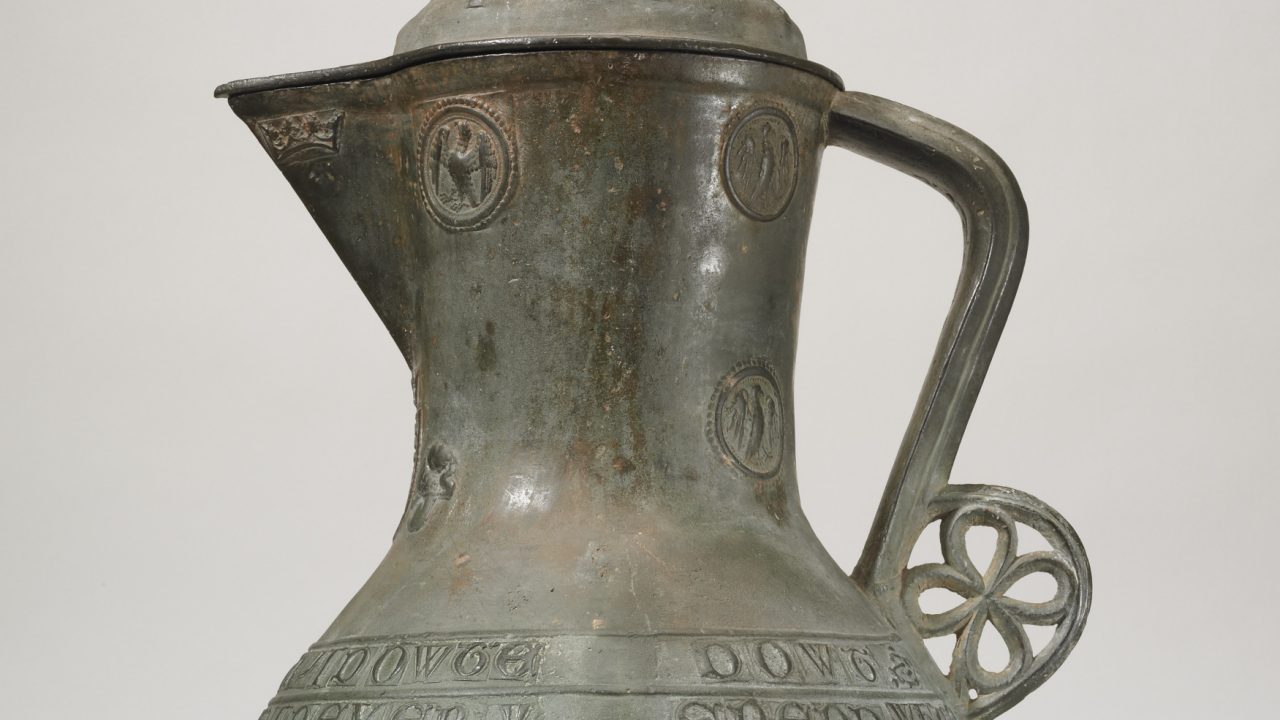
Dr. Helena Ashworth carefully lifted the ceramic jug from its protective case, her hands trembling slightly as she examined the intricate glazed surface. After decades of archaeological work, she thought she’d seen everything—until this medieval vessel arrived at her Oxford laboratory with the most extraordinary story she’d ever encountered.
“This little jug has traveled more miles than most modern tourists,” she whispered to her research assistant, pointing to the distinctive green glaze that still gleamed after seven centuries. “It’s been to West Africa and back, carrying stories we’re only beginning to understand.”
https://www.instagram.com/p/DUbBEwviMNc/
The jug’s journey would challenge everything historians thought they knew about medieval trade routes and cultural exchange between England and Africa.
The Incredible Journey of a Medieval Vessel
This remarkable 14th-century ceramic jug represents one of the most significant archaeological discoveries in recent medieval trade history. Originally crafted in England around 1350, the vessel somehow made its way across thousands of miles to West Africa, where it remained for centuries before returning to British soil.
The discovery happened almost by accident when a private collector donated what they believed was a “simple old pot” to the British Museum. Initial examination revealed intricate craftsmanship typical of medieval English pottery, but chemical analysis of soil residues told a much more complex story.
The chemical signature in the ceramic clearly shows extended exposure to West African soils and climate conditions. This jug didn’t just visit Africa—it lived there for generations.
— Dr. Marcus Thornfield, Medieval Ceramics Specialist
Radiocarbon dating and trace element analysis confirmed the vessel’s English origins while revealing its African sojourn. The jug likely traveled along established but little-documented trade routes connecting medieval Europe with West African kingdoms.
What This Discovery Reveals About Medieval Trade
The traveling jug provides concrete evidence of sophisticated trade networks that historians have long theorized but rarely proven. Medieval England maintained far more extensive connections with Africa than previously documented, challenging traditional narratives about European isolation during this period.
Here’s what researchers have learned from this single vessel:
- English pottery reached West African markets through Mediterranean and trans-Saharan trade routes
- African communities valued European ceramics enough to preserve them for centuries
- Cultural exchange between England and Africa occurred regularly during the medieval period
- Trade goods moved in both directions, not just from Africa to Europe
- Medieval globalization was more advanced than previously understood
The jug’s construction reveals sophisticated glazing techniques that were highly prized in international markets. Its durability allowed it to survive the arduous journey across desert trade routes and centuries of use in its African home.
| Journey Stage | Estimated Time Period | Evidence Found |
|---|---|---|
| English Creation | 1340-1360 CE | Clay composition, glazing style |
| Mediterranean Transit | 1360-1380 CE | Salt residue traces |
| African Residence | 1380-1650 CE | Soil chemistry, wear patterns |
| Return Journey | 1650-1800 CE | Multiple soil signatures |
| Modern Discovery | 2023 | Private collection donation |
This jug is rewriting our understanding of medieval global trade. We’re finding that cultural exchange was far more common and sophisticated than anyone imagined.
— Professor Amelia Richardson, Cambridge Medieval Studies
The Human Stories Behind Ancient Trade Routes
Beyond its scientific significance, this medieval jug represents countless human stories of adventure, commerce, and cultural connection. Someone in 14th-century England crafted this vessel with care, never imagining it would travel to another continent.
In West Africa, families likely used this English jug for daily tasks—storing water, serving meals, or holding precious items. Children may have played with it, parents passed it down through generations, and communities valued it as a treasured possession from distant lands.
The jug’s eventual return to England suggests continuing trade relationships that persisted for centuries. Whether through merchant networks, diplomatic gifts, or personal connections, this vessel maintained its journey between continents long after its original creators had passed away.
Every scratch, every worn spot on this jug tells a story of human hands using it, caring for it, valuing it enough to keep it safe across generations.
— Dr. Kwame Asante, African Medieval History Expert
Archaeological evidence suggests the jug spent time in multiple African locations, possibly moving between trading centers as communities exchanged goods and maintained relationships with distant partners.
Changing How We View Medieval Globalization
This discovery forces historians to reconsider assumptions about medieval isolation and limited global connectivity. The jug proves that sophisticated international trade networks existed centuries before the commonly accepted “Age of Exploration.”
Medieval merchants, diplomats, and travelers maintained regular contact between England and West Africa through established routes crossing the Mediterranean, North Africa, and the Sahara Desert. These networks facilitated not just trade in gold, salt, and spices, but also cultural artifacts like pottery.
The implications extend far beyond a single ceramic vessel. If English pottery reached West Africa regularly enough for this jug to survive, countless other cultural exchanges likely occurred that left no archaeological trace.
We’re probably looking at the tip of the iceberg. For every artifact that survives, hundreds of others have been lost to time, weather, and human activity.
— Dr. Sarah Blackwood, Archaeological Preservation Society
Modern researchers are now re-examining museum collections worldwide, searching for similar artifacts that might reveal additional evidence of medieval global trade networks. The traveling jug has opened new avenues for understanding how our ancestors connected across vast distances.
This remarkable vessel reminds us that human curiosity, commerce, and cultural exchange have always transcended geographical boundaries, even in times we once considered isolated and insular.
FAQs
How do scientists know the jug actually traveled to Africa?
Chemical analysis of soil residues and mineral deposits in the ceramic provide clear evidence of extended exposure to West African environmental conditions.
Why would English pottery be valuable in medieval Africa?
The advanced glazing techniques and durability of English ceramics made them prized trade goods in international markets.
How long did the jug’s journey take?
Evidence suggests the jug spent approximately 270 years in Africa before beginning its return journey to England.
Were there regular trade routes between medieval England and Africa?
Yes, this discovery confirms that sophisticated trade networks connected Europe and Africa throughout the medieval period.
What other artifacts might have made similar journeys?
Researchers are now searching for additional evidence of medieval global trade, including textiles, metalwork, and other ceramics.
How does this change our understanding of medieval history?
It proves that global connectivity and cultural exchange were far more advanced in medieval times than previously believed.

Leave a Reply