
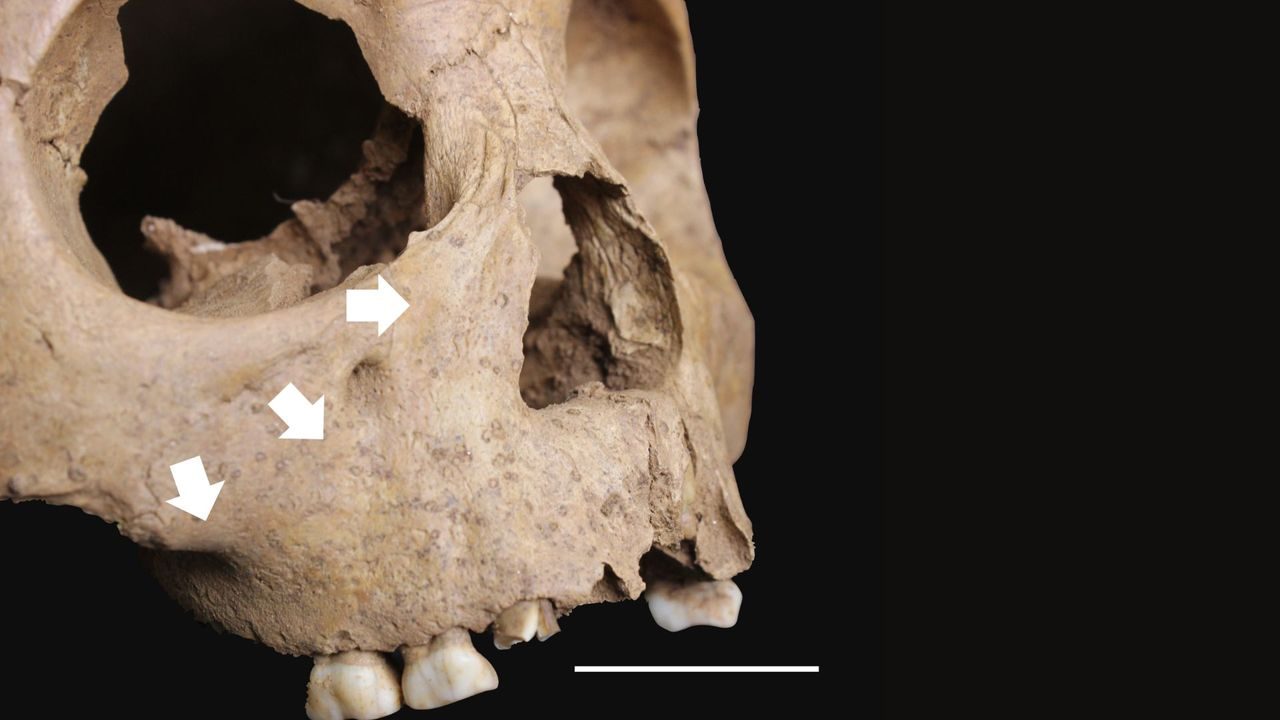
A set of ancient teeth and bones unearthed in Vietnam is forcing archaeologists to ask a question that could reshape everything we thought we knew about one of history’s most notorious diseases: Was syphilis — or something very much like it — spreading through Southeast Asia 4,000 years ago?
Researchers examining Stone Age skeletal remains from Vietnam have identified signs of a debilitating bacterial infection that belongs to the same disease family as syphilis. The evidence comes from the bones and teeth of three individuals, including a child estimated to be around 5 years old at the time of death. The lesions found on these remains are consistent with congenital treponemal disease — meaning the infection was likely passed from mother to child before birth.
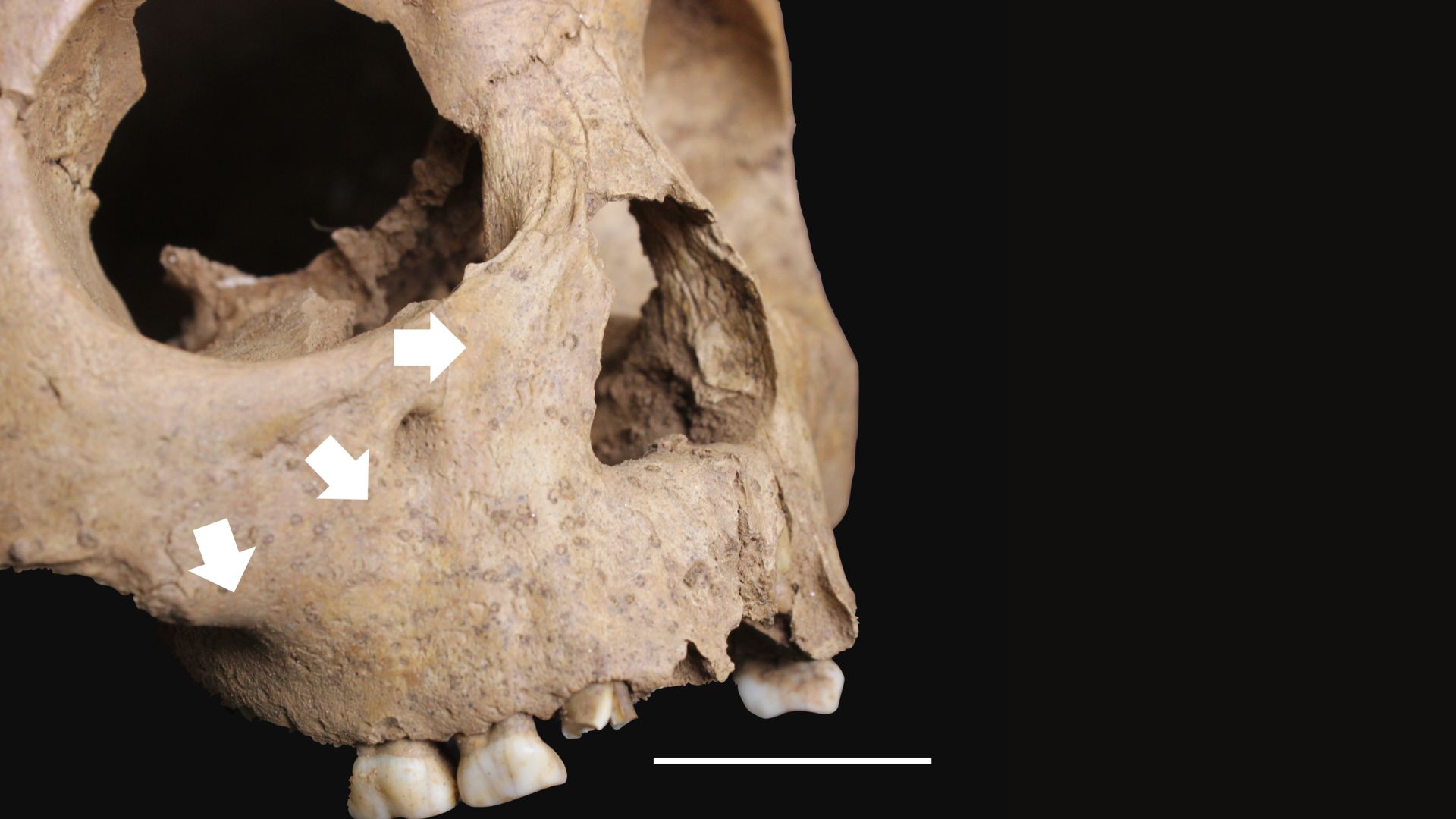
The site is called Man Bac, and what was found there may seriously challenge the long-standing theory about where syphilis-like diseases first emerged and how they spread across the ancient world.
What Treponemal Disease Actually Is — and Why It Matters
Treponemal diseases are a group of bacterial infections caused by the Treponema family of bacteria. Syphilis is the most well-known member of this group, but the family also includes yaws, bejel, and pinta — infections that can cause severe damage to skin, bones, and internal organs if left untreated.
For decades, scientists have debated where these diseases originated and how they traveled the globe. One of the dominant theories holds that syphilis was brought to Europe from the Americas following Christopher Columbus’s voyages in the late 15th century. But skeletal evidence like what has now been found in Vietnam keeps complicating that tidy narrative.
When treponemal bacteria infect the body — especially in cases of congenital infection passed to a child in the womb — they leave distinctive marks on developing bones and teeth. These biological signatures can survive for thousands of years, giving archaeologists a rare window into ancient disease patterns.
The remains at Man Bac bear exactly those kinds of marks. Researchers identified skeletal lesions consistent with congenital treponemal disease on the 5-year-old child’s remains, suggesting the infection was active and spreading in this prehistoric Vietnamese community long before European contact with the Americas ever occurred.
What the Bones Found at Man Bac Reveal
The discovery involves three Stone Age individuals whose remains showed signs of treponemal infection. The most striking case is the young child, whose bones and teeth carried lesions that researchers say are characteristic of congenital infection — meaning the disease was transmitted during pregnancy or birth.
This is significant for several reasons. Congenital treponemal disease requires an infected adult — almost certainly the mother — meaning the infection wasn’t isolated to a single person. It was circulating within the population.
- The site: Man Bac, Vietnam
- Estimated age of remains: approximately 4,000 years old (Stone Age)
- Number of affected individuals identified: three
- Type of evidence: skeletal lesions on bones and teeth
- Diagnosis: consistent with congenital treponemal disease
- Notable case: a child estimated to be around 5 years old at time of death
| Detail | Finding |
|---|---|
| Location | Man Bac, Vietnam |
| Time period | Approximately 4,000 years ago (Stone Age) |
| Individuals affected | Three skeletal remains |
| Disease identified | Congenital treponemal disease (syphilis-related family) |
| Evidence type | Lesions on bones and teeth |
| Youngest known case | Child approximately 5 years old |
Why This Discovery Could Rewrite the History of Syphilis
The origins of syphilis have been one of archaeology’s most contested puzzles for generations. The “Columbian hypothesis” — the idea that sailors returning from the New World introduced the disease to Europe in the 1490s — has dominated academic thinking for a long time. But it has always had critics, and physical evidence from sites around the world has steadily chipped away at it.
Finding treponemal disease markers in prehistoric Vietnam adds a significant new piece to that puzzle. Southeast Asia, 4,000 years ago, had no contact with the Americas. If a syphilis-related disease was already present and spreading there — infecting pregnant women and their unborn children — it suggests the disease family has a far older and more geographically widespread history than the Columbian theory allows.
Researchers note that the discovery challenges existing assumptions about where syphilis-like illnesses first emerged. The presence of congenital infection, in particular, implies the disease wasn’t just present — it was established enough in the population to be passed between generations.
What This Means for Our Understanding of Ancient Childhood and Disease
There’s something quietly devastating about the evidence from Man Bac. A 5-year-old child, living four millennia ago in what is now Vietnam, bore the physical marks of an infection received before they were even born. That child had no understanding of bacteria, no treatment available, and no way to know that thousands of years later, their bones would become evidence in a scientific debate about the ancient world.
The study of ancient children’s remains is a relatively specialized field, but it offers some of the most direct evidence of how diseases moved through prehistoric populations. Children who died young often preserve signs of illness that adults — who either recovered or died of other causes — do not. In this case, the teeth and bones of the Man Bac child appear to have recorded a medical history that survived intact across four thousand years.
The find also underscores how widespread infectious disease was in the ancient world — long before modern sanitation, long before antibiotics, and long before any of the frameworks we use today to understand how illness spreads.
What Researchers Are Looking at Next
The Man Bac discovery is likely to prompt further investigation at similar prehistoric sites across Southeast Asia and beyond. Researchers studying the origins of treponemal diseases will want to know whether comparable skeletal evidence exists at other Stone Age sites in the region, and whether the disease spread from Southeast Asia outward or emerged independently in multiple locations.
Ancient DNA analysis — if viable genetic material can be extracted from the remains — could eventually help scientists identify the specific strain of Treponema bacteria involved and trace its evolutionary relationship to modern syphilis. That kind of analysis has transformed other areas of ancient disease research and may do the same here.
For now, the bones of Man Bac have raised more questions than they’ve answered. But that’s often how the most important discoveries work.
Frequently Asked Questions
Where were these ancient remains discovered?
The skeletal remains were found at a site called Man Bac in Vietnam, and are estimated to be approximately 4,000 years old.
What disease did the ancient individuals have?
Researchers identified skeletal lesions consistent with congenital treponemal disease, which belongs to the same bacterial family as syphilis.
How many people were affected in this discovery?
Three individuals showed signs of treponemal infection, including a child estimated to be around 5 years old at the time of death.
What does “congenital” treponemal disease mean?
Congenital means the infection was passed from mother to child before or during birth, indicating the disease was actively circulating in the prehistoric population.
Does this discovery prove syphilis originated in Asia?
The discovery challenges existing theories about syphilis origins but does not definitively prove where the disease first emerged — further research across multiple sites would be needed to draw firmer conclusions.
How do scientists detect ancient disease in bones and teeth?
Treponemal bacteria leave distinctive lesions on bones and teeth that can survive for thousands of years, allowing archaeologists to identify signs of infection in skeletal remains.




Leave a Reply