
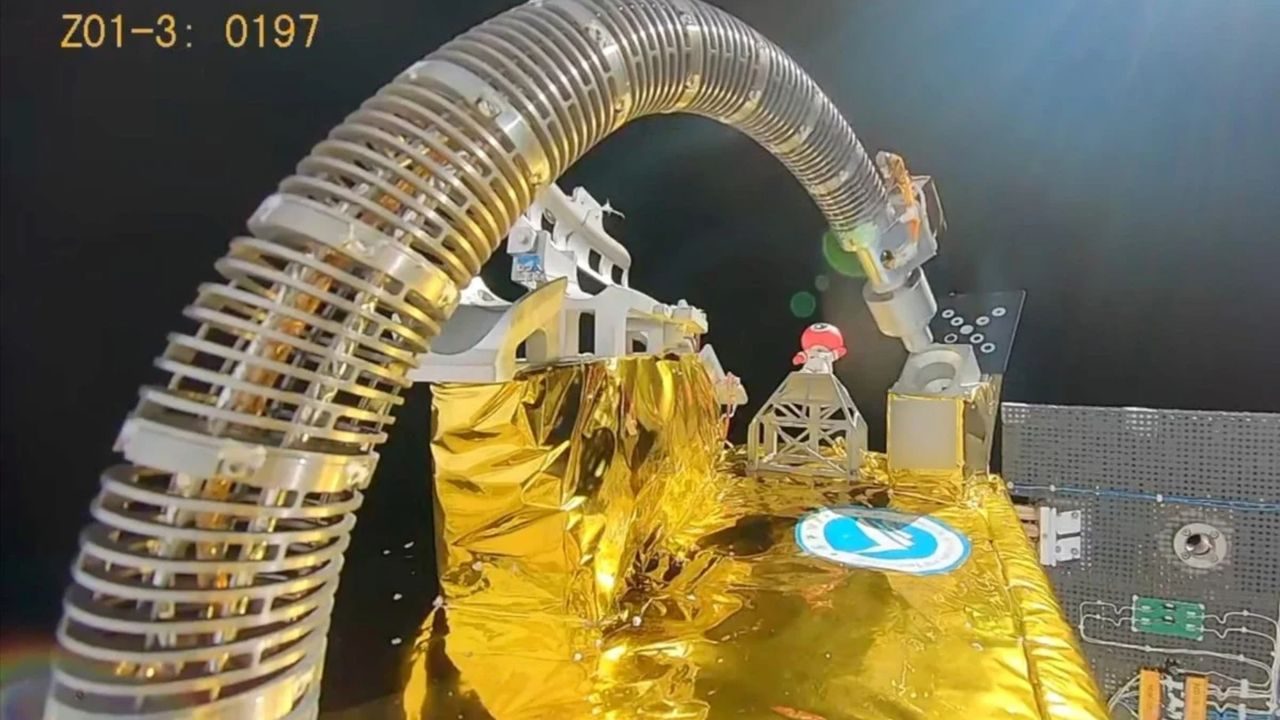
A Chinese satellite equipped with what engineers have described as a robotic “octopus arm” has successfully completed a key refueling test in low Earth orbit — and the implications for the future of space infrastructure are significant. According to China’s state-run media, the Hukeda-2 spacecraft passed the milestone after its experimental robotic arm successfully docked with a target port elsewhere on the same spacecraft.
It sounds like a small technical footnote. It isn’t. The ability to refuel satellites in orbit could fundamentally change how long space assets remain operational — and which countries control the most capable ones.
China’s progress in this area is drawing attention precisely because it represents a category where the United States, including NASA, has not yet caught up.
What China’s Hukeda-2 Satellite Actually Did
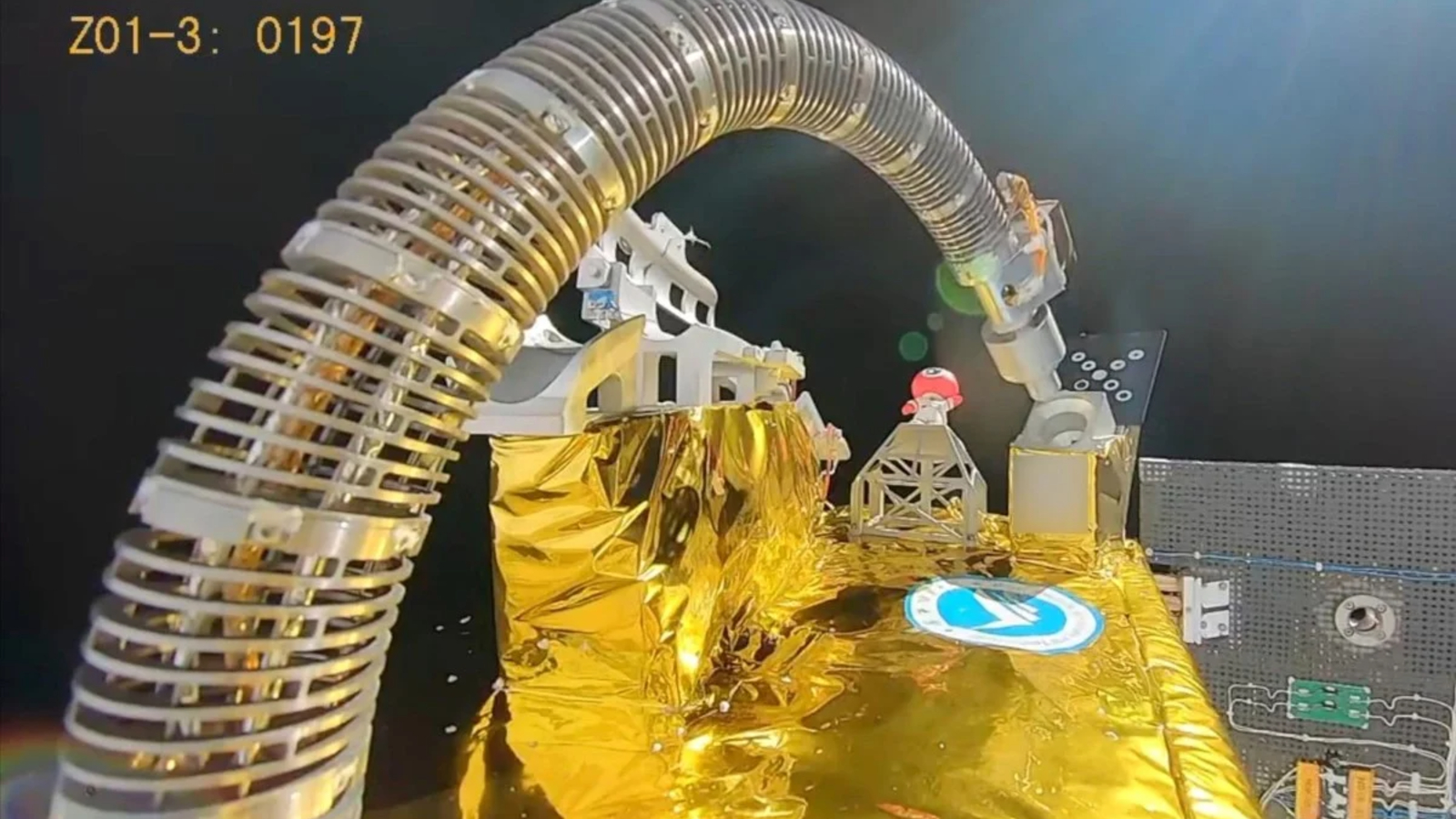
The Hukeda-2 is an experimental spacecraft operating in low Earth orbit. Its standout feature is a flexible robotic arm — compared by observers to the limb of an octopus — designed to reach, grip, and interface with docking ports in the complex, variable conditions of space.
During the test, the robotic arm successfully docked with a target port located elsewhere on the same spacecraft. That may sound straightforward, but executing precise mechanical docking in microgravity, where small forces can send objects drifting in any direction, requires extremely sophisticated engineering and software control.
The refueling test is described as a key milestone — meaning it clears a major hurdle on the path toward making on-orbit refueling a practical, deployable capability rather than a laboratory concept.
Beyond refueling, the Hukeda-2 has another planned function: the spacecraft is eventually expected to deploy a giant balloon in low Earth orbit. The purpose and timeline of that deployment have not yet been confirmed in detail.
Why On-Orbit Refueling Changes Everything
Right now, most satellites have a fixed operational lifespan determined largely by how much propellant they carry at launch. Once the fuel runs out, a satellite that may still be mechanically functional becomes space debris — expensive, inert, and often left to slowly decay in orbit.
On-orbit refueling flips that equation. If a spacecraft can be resupplied while still in space, its useful life extends dramatically. That means:
- Satellite operators could get far more value from expensive hardware already in orbit
- Governments and militaries could maintain space assets for longer without launching costly replacements
- The economics of space infrastructure shift — fewer launches needed to sustain the same capabilities
- Nations with refueling capability gain a strategic advantage in maintaining persistent orbital presence
The technology also opens the door to broader on-orbit servicing — not just refueling, but repairs, upgrades, and repositioning of spacecraft. A robotic arm capable of precise docking for fuel transfer could, in theory, perform other forms of maintenance as well.
Where China Stands — and Where the U.S. Lags
The source reporting on this milestone notes explicitly that China’s achievement highlights its continued leadership in this particular technology — and that NASA has not yet caught up.
That framing matters. The United States remains the dominant spacefaring nation in many respects, with NASA, the Space Force, and a robust commercial sector including SpaceX and others. But on-orbit servicing and refueling represent an area where China has been investing heavily and, according to current reporting, moving faster.
| Factor | China (Hukeda-2) | United States / NASA |
|---|---|---|
| On-orbit refueling test | Passed key milestone in LEO | Not yet at equivalent stage |
| Robotic arm docking | Successfully demonstrated | Not confirmed at this level |
| Operational orbit | Low Earth Orbit (LEO) | — |
| Additional planned capability | Giant balloon deployment in LEO | — |
The gap isn’t necessarily permanent — the U.S. has active research programs in satellite servicing — but China’s demonstrated test in an operational orbital environment is a concrete step that carries real strategic weight.
What This Means for the Future of Space Assets
The practical consequences of this test ripple outward in several directions. For commercial satellite operators, the prospect of refueling services in orbit represents a potential new market — and a new form of insurance against expensive hardware going dark prematurely.
For governments, particularly those relying on satellites for communications, intelligence, and navigation, longer-lived space assets mean more resilient national infrastructure. A satellite that can be refueled and repositioned is a far more flexible tool than one with a hard expiration date baked in at launch.
There are also implications for the growing problem of orbital debris. Satellites that remain functional longer — rather than being abandoned as dead weight — contribute less to the congestion that increasingly threatens safe operations in low Earth orbit.
The Hukeda-2’s balloon deployment mission adds another layer of interest. Large deployable structures in LEO have potential applications ranging from atmospheric research to experimental communications platforms, though specific details about that phase of the mission remain limited.
What Comes Next for On-Orbit Refueling
Passing a docking and refueling test on the same spacecraft is an important proof of concept, but the full vision of on-orbit servicing requires more: the ability to approach, dock with, and service a separate spacecraft — one not originally designed to be serviced. That is a significantly harder engineering challenge.
Still, demonstrating the robotic arm’s docking precision and the viability of the refueling mechanism in actual orbital conditions is a foundational step. Each successful test in real space environments carries far more weight than simulations or ground-based demonstrations.
Whether China moves next toward demonstrating cross-spacecraft refueling — the true operational goal — has not been confirmed. What is confirmed is that the Hukeda-2 has cleared a milestone that keeps that future closer than it was before.
Frequently Asked Questions
What is the Hukeda-2 satellite?
Hukeda-2 is a Chinese experimental spacecraft operating in low Earth orbit, equipped with a robotic arm designed for docking and refueling operations.
What did the robotic arm actually do during the test?
The robotic arm successfully docked with a target port located elsewhere on the Hukeda-2 spacecraft itself, completing a key refueling test milestone.
Why does on-orbit refueling matter?
Refueling satellites in space can dramatically extend their operational lifespans, reducing the need for costly replacement launches and making space assets more durable and strategically valuable.
Has NASA achieved the same thing?
According to the reporting on this milestone, NASA has not yet caught up with China in this particular area of on-orbit refueling technology.
What else is the Hukeda-2 designed to do?
Beyond refueling tests, the spacecraft is eventually expected to deploy a giant balloon in low Earth orbit, though full details of that mission phase have not yet been confirmed.
Does this mean China can now refuel other satellites in orbit?
This test demonstrated the technology on the same spacecraft — refueling a separate, external satellite is a more complex next step that has not yet been confirmed as achieved.



Leave a Reply