
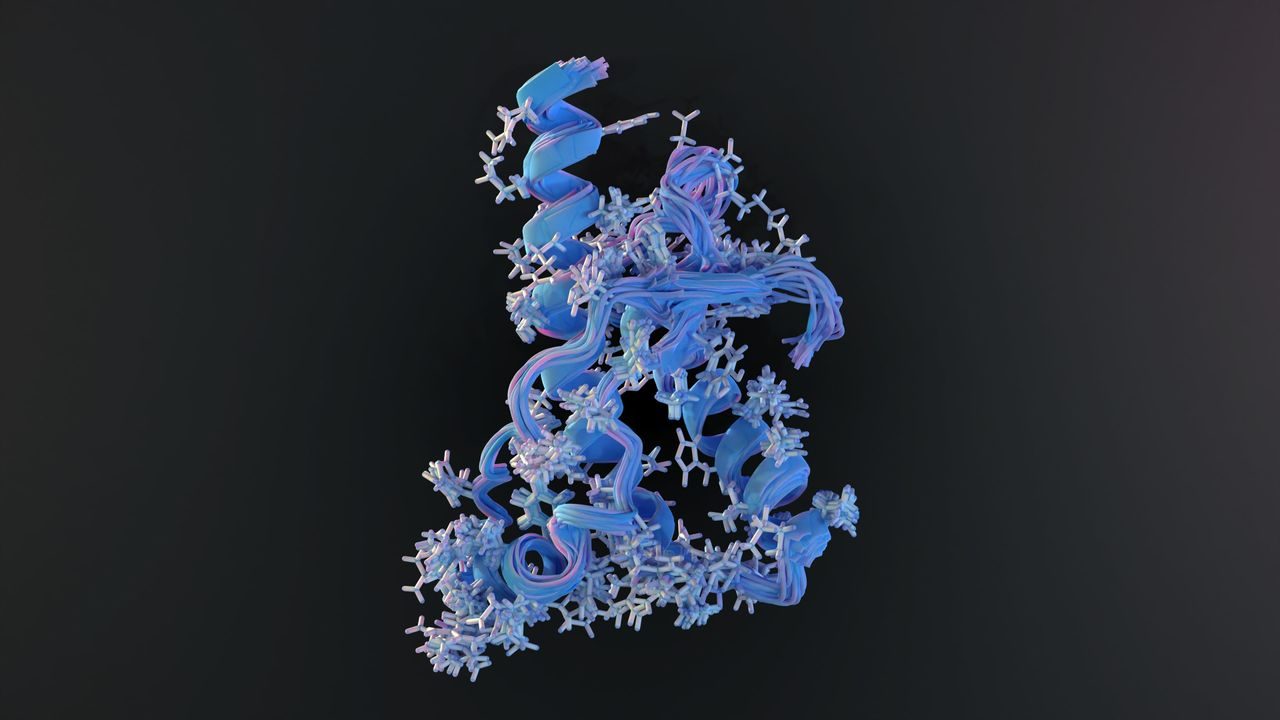
What if a disease could spread without any virus, bacteria, or genetic material at all — just a misfolded protein quietly corrupting healthy tissue? That was the radical idea Dr. Stanley Prusiner put forward on April 9, 1982, when he published a landmark paper in the journal Science that would eventually rewrite the rules of infectious disease.
At the time, the scientific establishment was deeply skeptical. The prevailing assumption was that infectious agents always carried genetic material — DNA or RNA — to replicate and spread. Prusiner’s findings challenged that assumption head-on, and the medical world was not immediately ready to accept it.
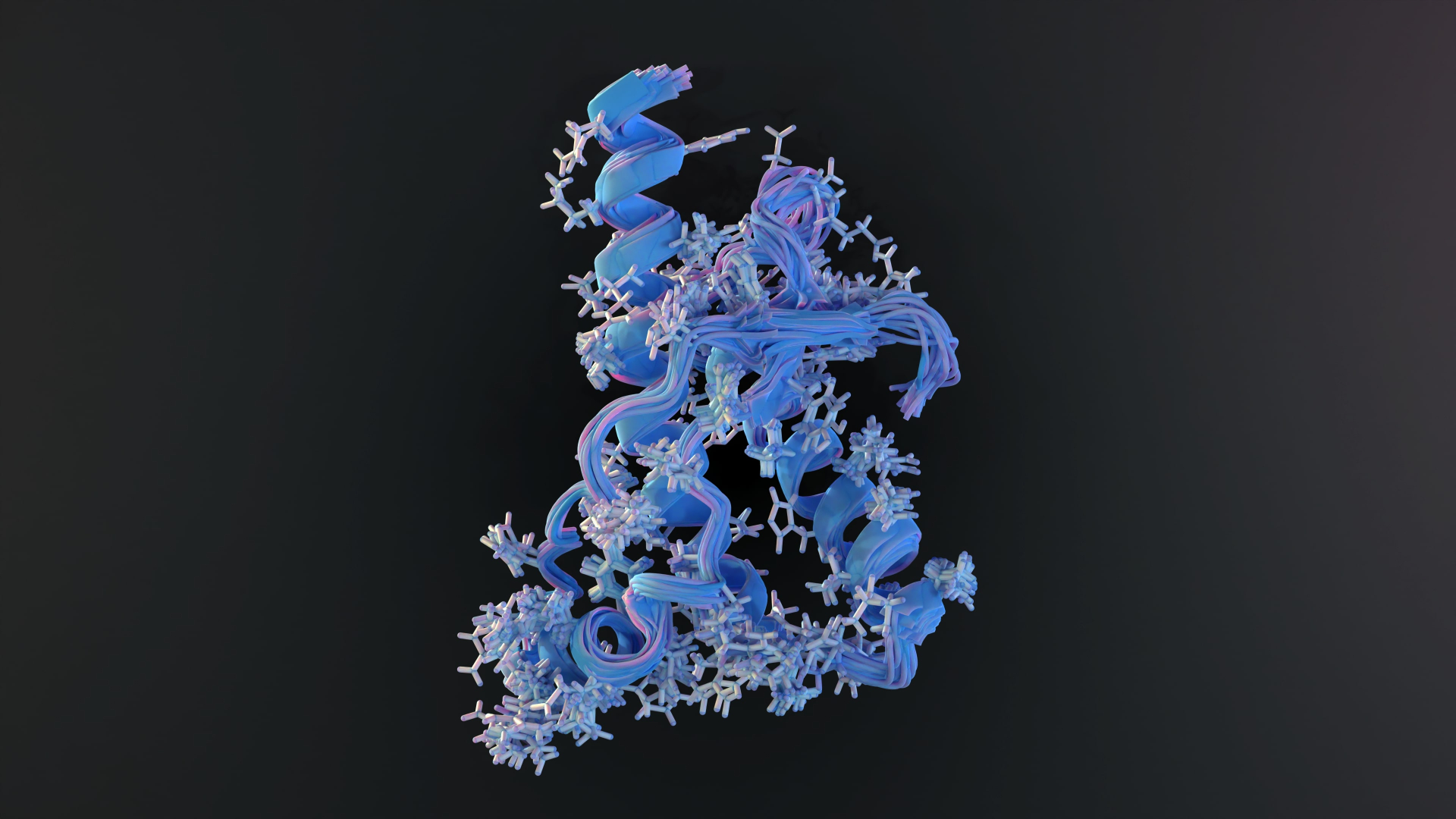
More than four decades later, his discovery is recognized as one of the most important and unsettling breakthroughs in modern biology.
What Dr. Prusiner Actually Found
Working at the University of California, San Francisco, Prusiner published research showing that a degenerative nerve disease in sheep was being caused not by a virus or bacterium, but by an infectious protein. He called these agents prions — a term derived from “proteinaceous infectious particles.”
The disease he was studying was scrapie, a fatal neurological condition that had long been observed in sheep. What made it so puzzling was that no one could identify a conventional pathogen behind it. Prusiner’s answer was both elegant and deeply strange: the culprit was a protein that had folded into the wrong shape.
Prions are misfolded proteins. They contain no genetic material — no DNA, no RNA — yet they are transmissible between organisms. That combination of properties had no real precedent in the scientific understanding of the time.
Why Prions Are So Biologically Unusual
To understand why this discovery was so disruptive, it helps to know how conventional infectious diseases work. Bacteria carry their own genetic blueprints and reproduce independently. Viruses hijack a host cell’s machinery using their own genetic code. Both rely on nucleic acids — DNA or RNA — to replicate.
Prions do neither of those things. Instead, a misfolded prion protein appears to trigger correctly folded proteins of the same type to misfold as well, creating a chain reaction of structural corruption. The damage this causes in the brain and nervous system is progressive and, so far, irreversible.
There is no known cure for prion diseases. The affected tissue develops a sponge-like appearance under a microscope — a hallmark of the class of diseases now known as transmissible spongiform encephalopathies, or TSEs.
The Key Facts Behind the 1982 Discovery
| Detail | Information |
|---|---|
| Date of publication | April 9, 1982 |
| Researcher | Dr. Stanley Prusiner |
| Institution | University of California, San Francisco |
| Journal published in | Science |
| Disease studied | Degenerative nerve disease in sheep (scrapie) |
| Infectious agent identified | Prions — misfolded proteins with no genetic material |
| Key distinction | Transmissible between organisms despite lacking DNA or RNA |
What the table above captures in brief terms was, in practice, a finding that faced years of resistance from the broader scientific community. The idea that a protein alone — with no nucleic acid — could be infectious flew in the face of the central dogma of molecular biology as it was understood at the time.
The Broader Impact on Medicine and Public Health
Prusiner’s discovery did not stay confined to sheep diseases. The prion concept eventually became central to understanding a range of fatal neurological conditions in both animals and humans.
- Scrapie in sheep was the original disease studied in Prusiner’s 1982 paper
- Bovine spongiform encephalopathy — commonly known as mad cow disease — emerged as a major public health crisis in the 1980s and 1990s and is now understood to be a prion disease
- Creutzfeldt-Jakob disease is the best-known human prion disease, causing rapid and fatal neurological decline
- Chronic wasting disease affects deer and elk populations across North America and is also prion-based
- Researchers have since explored possible prion-like mechanisms in more common neurodegenerative conditions, including Alzheimer’s and Parkinson’s disease, though those connections remain an active area of scientific investigation
The implications of Prusiner’s work rippled far beyond the laboratory. It forced a rethinking of food safety protocols, sterilization procedures in hospitals, and the regulation of animal feed — particularly after mad cow disease demonstrated that prions could cross species barriers and reach humans through the food supply.
What This Milestone Means for Science Today
Prusiner’s 1982 paper is now considered a foundational moment in the history of medicine. The scientific skepticism he faced in the years after publication eventually gave way to broad acceptance, and the evidence supporting the prion hypothesis has only grown stronger over the decades since.
The discovery also raised uncomfortable questions that researchers are still working through. If a protein can be infectious without carrying genetic material, what else might be possible? Could other misfolded proteins act in similar ways? Those questions are driving some of the most active areas of neurological research today.
Prion diseases remain rare but invariably fatal. There are no approved treatments that can halt or reverse the damage once it begins. Understanding how prions transmit, replicate their misfolding effect, and evade the body’s normal defenses remains one of the genuinely hard problems in modern medicine.
What Prusiner identified in 1982 was not just a new pathogen. It was an entirely new category of disease — one that had been hiding in plain sight, waiting for someone willing to follow the evidence wherever it led, even when it contradicted everything the field thought it knew.
Frequently Asked Questions
What is a prion?
A prion is a misfolded protein that can be transmitted between organisms. Unlike bacteria or viruses, prions contain no genetic material — no DNA or RNA.
Who discovered prions and when?
Dr. Stanley Prusiner at the University of California, San Francisco, published his landmark paper identifying prions on April 9, 1982, in the journal Science.
What disease was Prusiner studying when he identified prions?
He was studying a degenerative nerve disease in sheep, known as scrapie, which he showed was caused by infectious proteins rather than a conventional pathogen.
How do prions spread if they have no genetic material?
Prions appear to cause correctly folded proteins of the same type to misfold as well, creating a chain reaction of structural damage — though the precise mechanisms continue to be studied.
Are prion diseases treatable?
As of current scientific understanding, there are no known cures for prion diseases, and the neurological damage they cause is considered irreversible.
Why was Prusiner’s discovery considered so controversial?
The idea that an infectious agent could spread without any genetic material contradicted the established understanding of how diseases work, making the prion hypothesis deeply contested when it was first published.


Leave a Reply