
What if the immune system itself — not a drug, not a transplant, not a lifetime of injections — could simply be taught to stop attacking the body? That’s the question at the heart of a striking new development in diabetes research, and the early answer is turning heads in the scientific community.
Scientists have successfully cured type 1 diabetes in mice without requiring long-term immune suppression. The approach works by eliminating the autoimmune attack at its source, rather than simply managing the disease after the damage is done. For the more than 8 million Americans living with type 1 diabetes, it’s the kind of headline that demands attention — even if the road from mouse to human remains long.
The research, reported by Live Science, represents a meaningful step forward in understanding how to address one of the most stubborn problems in autoimmune disease: the immune system that has been trained, in a sense, to destroy the very cells that keep a person alive.
Why Type 1 Diabetes Is So Hard to Treat
Type 1 diabetes is fundamentally different from type 2. It’s not a lifestyle disease. It’s an autoimmune condition — one where the body’s own defenses turn against it.
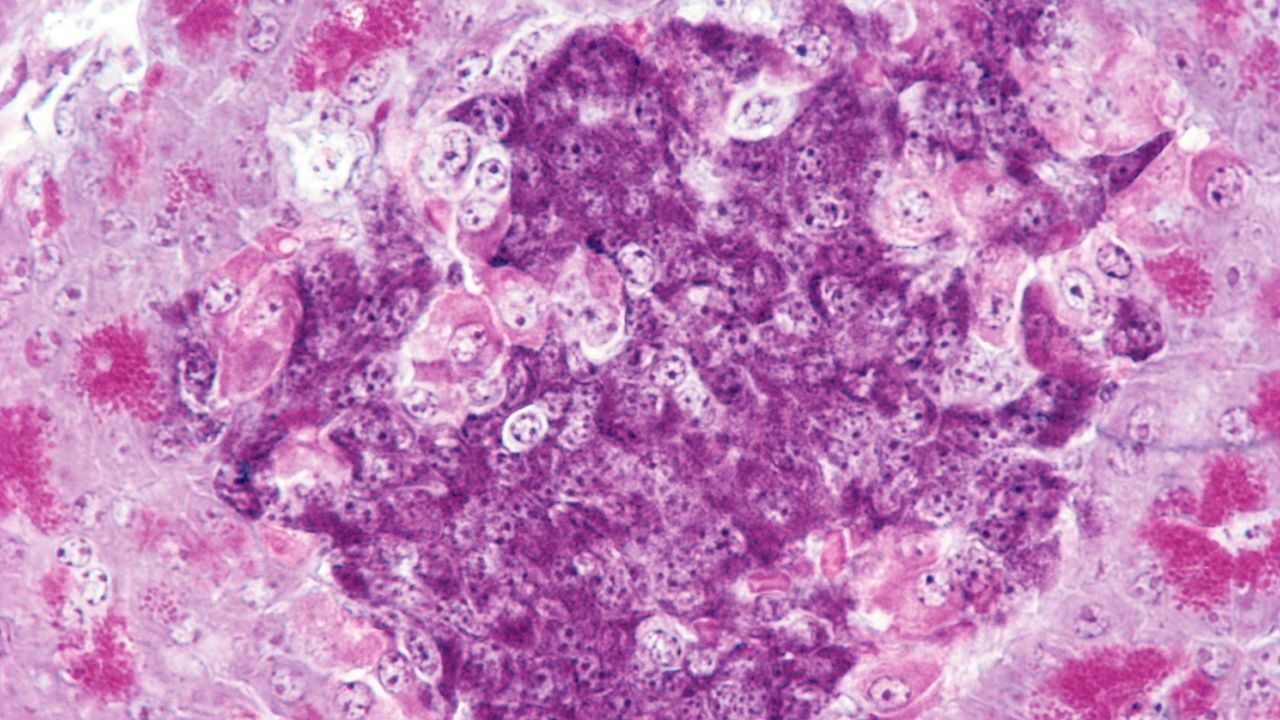
In type 1 diabetes, the immune system identifies the islet cells in the pancreas as a threat and destroys them. These islet cells are responsible for producing insulin, the hormone that regulates blood sugar. Once they’re gone, the body can no longer manage glucose on its own, and daily insulin therapy becomes a lifelong necessity.
Replacing those lost islet cells through transplantation has been explored as a potential solution for years. The problem? The same immune system that destroyed the original cells will attack the transplanted ones too. To prevent that, patients who receive islet cell transplants have historically been required to take powerful immunosuppressant drugs for the rest of their lives — medications that carry serious risks of their own, including increased susceptibility to infection and cancer.
That’s the wall this new research is trying to break through.
What the Scientists Actually Did
The core insight behind the new research is that you don’t have to destroy the entire immune system to stop it from attacking insulin-producing cells. Instead, the scientists found a way to create what might be described as a blended immune system — one that retains its ability to fight infection while losing its learned tendency to target pancreatic islet cells.
By eliminating this specific autoimmune response rather than suppressing the immune system wholesale, the mice were effectively cured of type 1 diabetes. Critically, this was achieved without the need for the long-term immunosuppression that has made islet cell transplantation so complicated and risky in human patients.
The significance of avoiding long-term immune suppression cannot be overstated. Current transplant protocols essentially trade one chronic condition for another — diabetes management is replaced by the ongoing risks and burdens of immunosuppressant therapy. A treatment that sidesteps that trade-off entirely would represent a fundamentally different kind of solution.
What This Means — and What It Doesn’t
It’s worth being clear about what this research confirms and what remains unknown.
| What Is Confirmed | What Remains Unconfirmed |
|---|---|
| Type 1 diabetes was cured in mice | Whether results will translate to humans |
| The cure worked without long-term immune suppression | Timeline for human clinical trials |
| The approach targets the autoimmune attack specifically | Long-term safety profile in humans |
| Islet cell replacement has historically required immunosuppressants | Whether the blended immune system approach is durable over decades |
Animal studies, even highly promising ones, do not guarantee human results. Many treatments that work in mice have failed to replicate in human trials. That’s not a reason to dismiss the research — it’s a reason to follow it carefully.
The Real-World Stakes for People Living With Type 1 Diabetes
For people managing type 1 diabetes today, the daily reality is relentless. Blood sugar monitoring, insulin dosing, dietary calculations, and the ever-present risk of dangerous highs and lows — it’s a condition that demands constant attention. Advances in technology, including continuous glucose monitors and insulin pumps, have made management easier, but they haven’t changed the underlying biology.
A treatment that could restore the body’s ability to produce its own insulin — without requiring lifelong immunosuppression — would be transformative. It would mean not just treating the disease but potentially ending it for those who receive the therapy.
The current research also has implications for how scientists think about other autoimmune diseases. The principle of selectively retraining the immune system, rather than broadly suppressing it, could theoretically be applied to conditions like multiple sclerosis, rheumatoid arthritis, and lupus, where the immune system similarly attacks healthy tissue.
What Comes Next in This Research
The path from a successful mouse study to an approved human treatment is neither short nor simple. Researchers will need to understand exactly how the blended immune system was created and whether the same mechanism can be safely replicated in humans. Regulatory approval, clinical trials, and long-term safety monitoring all lie ahead.
What this study does is establish a proof of concept — evidence that the autoimmune attack driving type 1 diabetes can be stopped without dismantling the immune system entirely. That’s a meaningful scientific milestone, even if a human cure remains years away.
Researchers and patient advocates will be watching closely to see whether this approach can survive the rigorous testing required before it reaches a clinic. The science is early, but the direction is genuinely promising.
Frequently Asked Questions
Have scientists actually cured type 1 diabetes in humans?
No. The cure was demonstrated in mice. Human trials have not yet been confirmed as part of this research.
Why is avoiding long-term immune suppression such a big deal?
Immunosuppressant drugs carry serious long-term risks, including increased vulnerability to infections and cancer. A treatment that works without them would be significantly safer for patients.
How does type 1 diabetes differ from type 2?
Type 1 diabetes is an autoimmune condition where the immune system destroys insulin-producing cells in the pancreas. Type 2 involves insulin resistance and is not primarily an autoimmune disease.
What is a “blended immune system” in this context?
Based on the research description, it refers to an immune system that has been modified to stop attacking pancreatic islet cells while retaining its normal ability to fight infection and disease.
Could this approach apply to other autoimmune diseases?
When might a treatment like this be available for humans?
This has not yet been confirmed. Moving from animal studies to approved human therapies typically takes many years and requires extensive clinical trials.




Leave a Reply