
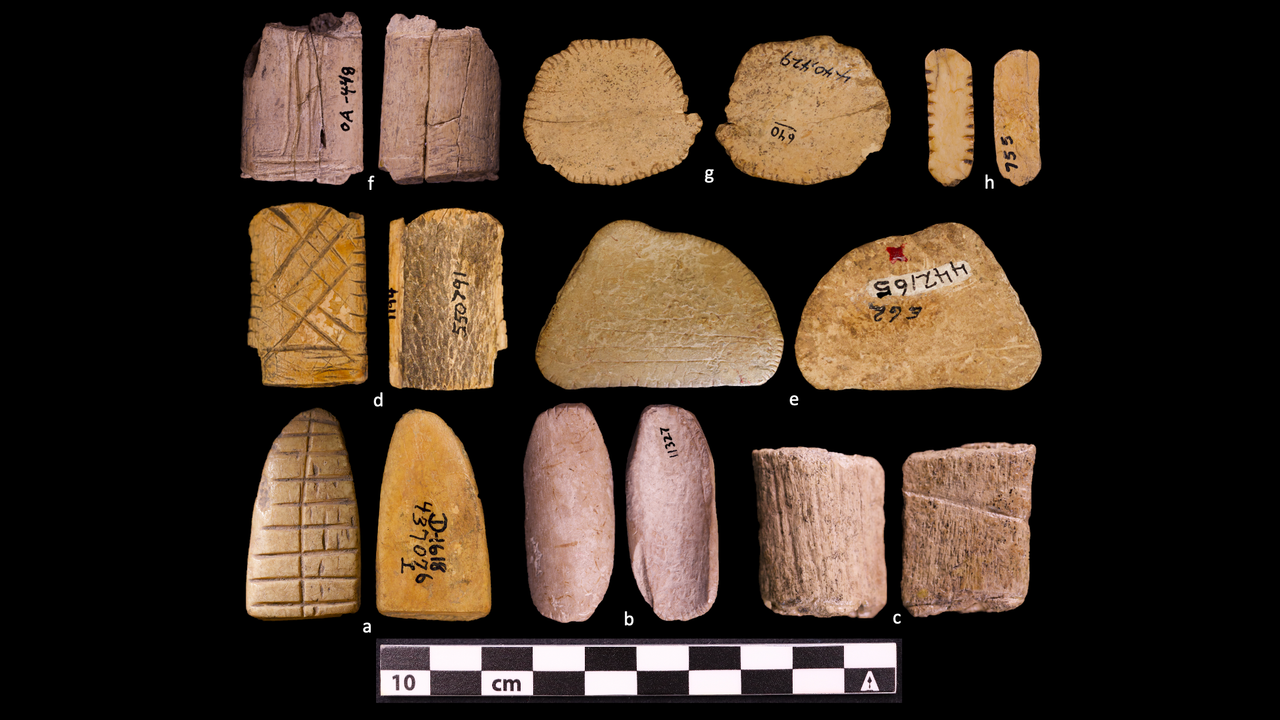
More than 12,000 years ago — long before casinos, card tables, or lottery tickets — Indigenous people in the western United States were already rolling dice. A new archaeological study has revealed that Native Americans invented dice and games of chance at least that far back, making them the oldest known evidence of gambling in the world, and possibly the earliest recorded human engagement with the concept of probability itself.
That’s a remarkable finding on its own. But what makes this discovery genuinely surprising is what these games were actually for. This wasn’t gambling in the way most people picture it today. The purpose, researchers suggest, was something far more socially meaningful — and the players were most likely women.
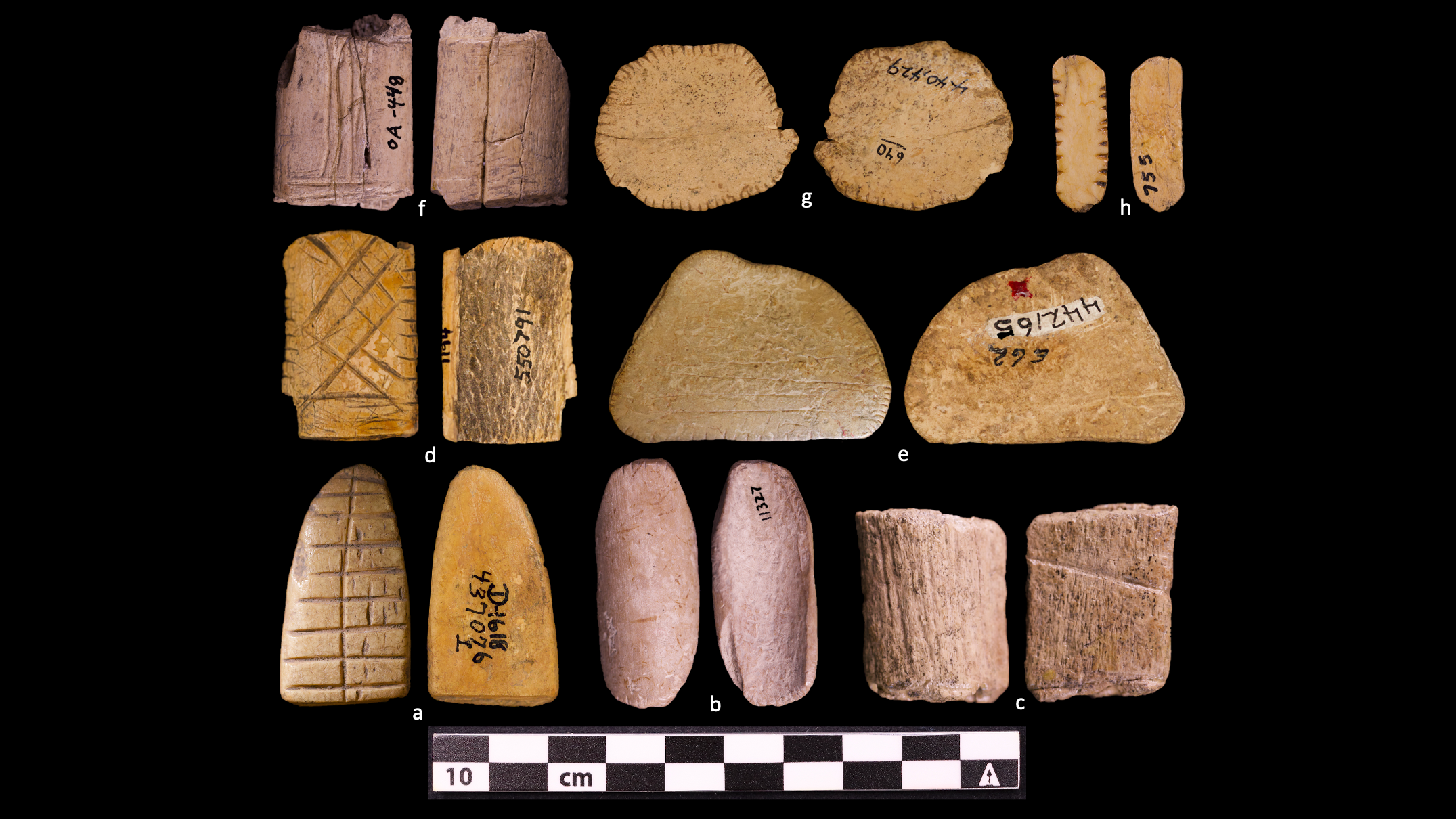
The study, reported by Live Science, draws on dice artifacts recovered from archaeological sites across the western U.S., shedding new light on the social lives and intellectual sophistication of ancient Indigenous communities.
What Archaeologists Actually Found
The physical evidence at the center of this research is a series of Native American dice uncovered at multiple archaeological sites in the western United States. These objects, now confirmed to be among the oldest of their kind ever discovered anywhere on Earth, push back the known history of structured games of chance by thousands of years.
The significance here isn’t just age. It’s what the existence of standardized dice implies: that the people who made and used them understood randomness, outcome, and probability in a structured way. That’s a sophisticated cognitive and social leap — one that archaeologists are now crediting to Indigenous Americans more than a dozen millennia ago.
Researchers believe these games served a purpose that was deeply embedded in the social fabric of these communities, rather than being purely recreational or profit-driven.
Why These Games Were Nothing Like Modern Gambling
Here’s the part of this story that most headlines miss. The games these ancient dice were used for weren’t about individual gain or financial risk in the modern sense. According to the study, the games of chance played by these Indigenous communities appear to have functioned as tools for social interaction and wealth redistribution.
In other words, when people gathered to play, the outcome wasn’t just about winning or losing — it was about building relationships with new acquaintances and moving goods and resources around a community in a way that was fair, structured, and socially accepted.
The evidence also hints strongly at a gendered dimension to these games. Researchers suggest that women were the primary participants, which adds another layer of complexity to how we understand the social roles and economic agency of women in these ancient societies.
This reframes the entire narrative around gambling’s origins. Rather than a vice or a leisure activity, these early games of chance may have been a sophisticated social technology — a way of keeping communities connected and resources flowing equitably.
A Timeline That Rewrites History
To understand just how significant a 12,000-year date is, some context helps. Most mainstream historical accounts place the origins of dice in ancient Mesopotamia or the Indus Valley, typically dating back around 5,000 years. This new research more than doubles that timeline — and relocates the origin story entirely, from the Old World to the Americas.
| Region | Previously Known Dice History | New Finding (Western U.S.) |
|---|---|---|
| Mesopotamia / Indus Valley | ~5,000 years ago | — |
| Western United States (Indigenous) | Not previously established | More than 12,000 years ago |
The implication is clear: Native Americans were engaging with games of chance and probability thousands of years before any other known civilization. This places Indigenous intellectual and cultural history in an entirely different light — one that challenges long-held assumptions about where human innovation originated.
What This Means for How We Understand Indigenous History
Findings like this matter beyond the archaeology community. For generations, Indigenous cultures have been underrepresented — or misrepresented — in mainstream accounts of human achievement and innovation. A discovery that places Native Americans at the forefront of one of humanity’s most enduring intellectual traditions is a meaningful corrective to that record.
Games of chance require abstract thinking. They require an understanding that outcomes can be uncertain, that fairness can be built into a system, and that social rules can govern behavior around randomness. These are not simple ideas. The fact that Indigenous communities in the western U.S. were working with these concepts more than 12,000 years ago speaks to a level of cultural and cognitive sophistication that deserves far wider recognition.
The social function of these games — redistribution of goods, facilitation of new social bonds, and a likely central role for women — also challenges simplistic narratives about prehistoric societies as purely survival-focused. These were communities with rich social lives, economic systems, and structured forms of play.
What Researchers Are Likely to Explore Next
While this study establishes a remarkable baseline, it also opens a series of new questions that archaeologists will likely pursue in the years ahead. Researchers will probably look more closely at the specific sites where these dice were recovered to better understand the communities that made them, how widely the practice spread, and whether similar artifacts exist at sites not yet fully analyzed.
The gender dimension is also likely to attract further study. If women were indeed the primary participants in these games, understanding their role more fully could reshape how researchers model the social and economic structures of ancient Indigenous communities across the region.
For now, the study stands as a landmark moment in American archaeology — one that pushes the story of human play, probability, and social innovation back further than anyone previously thought possible.
Frequently Asked Questions
How old are the Native American dice discovered in this study?
The dice are confirmed to be more than 12,000 years old, making them the oldest known evidence of gambling and games of chance in the world.
Where were these ancient dice found?
The dice were discovered at archaeological sites in the western United States, according to the study reported by Live Science.
What were these dice games used for?
Evidence suggests the games were used for social interaction — helping people connect with new acquaintances — and for redistributing goods and wealth within communities, rather than for personal financial gain.
Who played these dice games?
The archaeological evidence hints that women were the primary participants in these games of chance, though this has not been fully confirmed and is still being studied.
Does this change what we know about the history of dice?
Yes, significantly. Previously, dice history was most commonly traced to ancient Mesopotamia or the Indus Valley around 5,000 years ago. This finding more than doubles that timeline and places the origin in the Americas.
Does this represent the oldest known use of probability?
Researchers suggest it may be, describing these artifacts as possibly the oldest evidence of human engagement with the concept of probability, though further study would be needed to confirm that claim conclusively.




Leave a Reply