
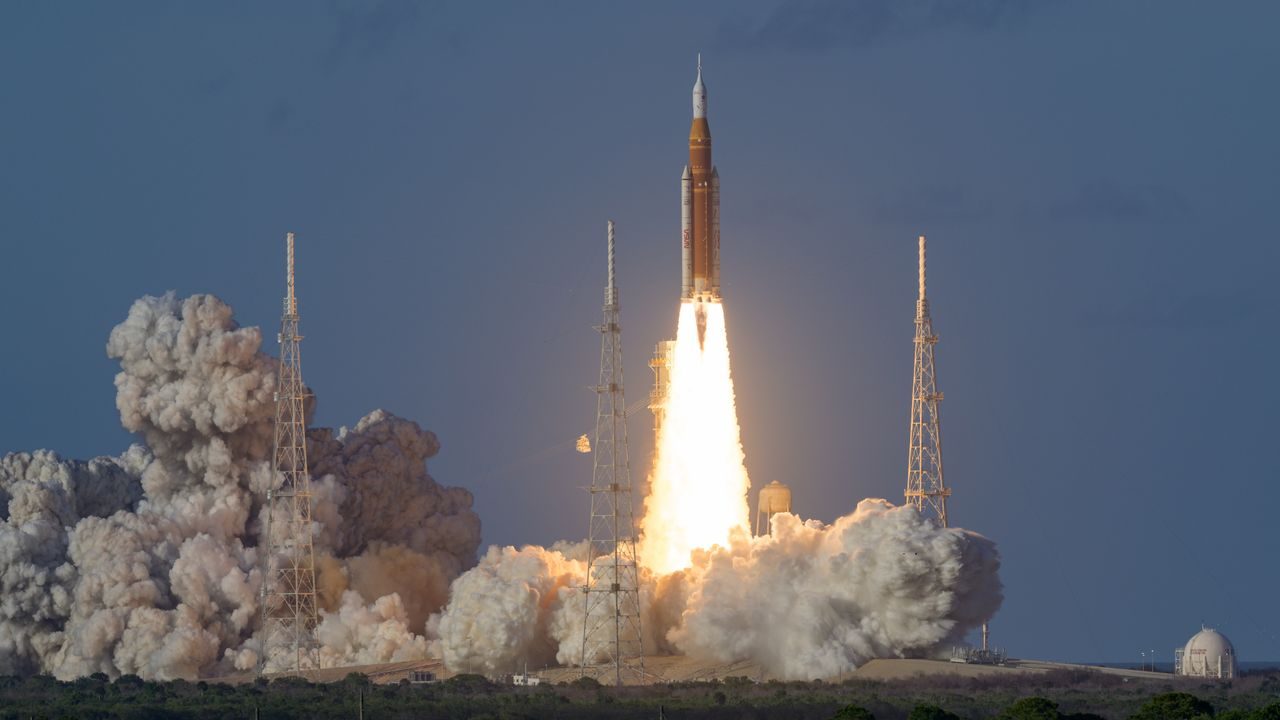
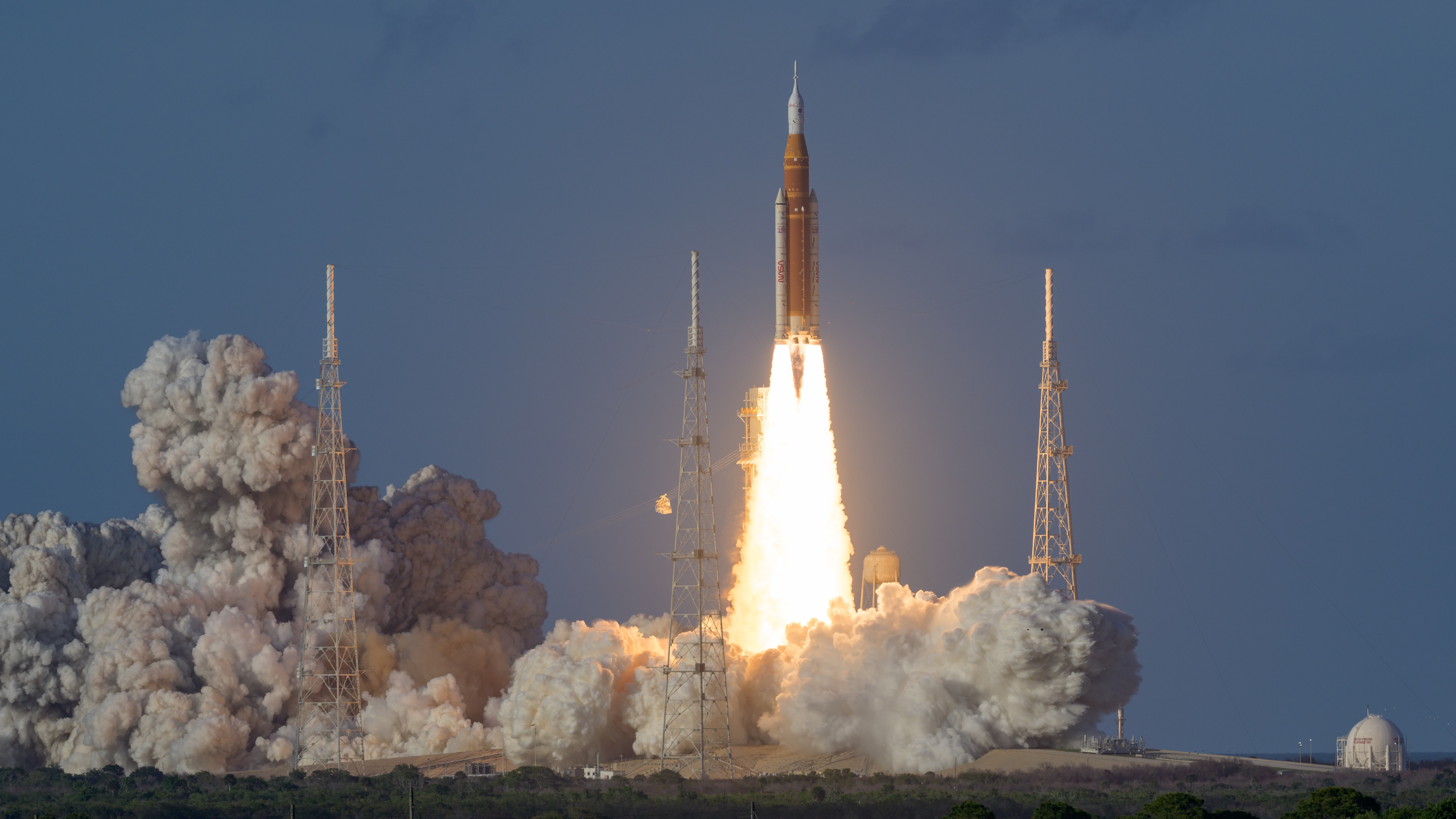
For the first time in more than half a century, human beings are on their way to the moon. That single fact — remarkable as it sounds — is now reality, after NASA’s Artemis II mission lifted off from Kennedy Space Center in Florida on April 1, 2025, at 6:35 p.m. EDT.
The last time astronauts traveled to the moon was during the Apollo era. Decades of planning, billions of dollars, and generations of engineers and scientists have led to this moment. And now, four people are riding aboard the Orion spacecraft, heading toward Earth’s closest neighbor in the cosmos.
This is not a drill. This is not a test flight without a crew. This is the real thing — and the world is watching.
Who Is on Board the Artemis II Mission
The Artemis II crew is made up of four astronauts, each bringing a distinct background and role to one of the most ambitious human spaceflight missions ever attempted.
- Commander Reid Wiseman — leading the mission as commander
- Pilot Victor Glover — responsible for flying the Orion spacecraft
- Mission Specialist Christina Koch — one of the mission specialists aboard
- Mission Specialist Jeremy Hansen — the second mission specialist on the crew
Together, they represent the first humans to travel toward the moon since the Apollo program ended. That alone places this mission in a category of its own — a turning point not just for NASA, but for humanity’s relationship with space exploration.
Christina Koch’s presence is particularly historic. She is among a new generation of astronauts who will help define what human spaceflight looks like going forward, with future Artemis missions intended to eventually land humans on the lunar surface.
What the Artemis II Launch Actually Means
The Artemis program has been building toward this moment for years. Artemis I, an uncrewed test flight, proved that NASA’s Space Launch System rocket and the Orion spacecraft could complete the journey to the moon and back. Artemis II is the crewed version of that same mission — a lunar flyby designed to test all systems with a human crew on board.
The mission does not include a lunar landing. Instead, the crew will travel around the moon and return to Earth, validating every element of the system that will eventually be needed to put boots on the lunar surface in future missions.
The April 1 liftoff was described as one of the final launch windows available to meet NASA’s April 30 mission deadline — meaning the timing was not arbitrary. Orbital mechanics, spacecraft readiness, and mission planning all converged on this narrow window.
Key Mission Facts at a Glance
| Detail | Information |
|---|---|
| Mission Name | Artemis II |
| Launch Date | April 1, 2025 |
| Launch Time | 6:35 p.m. EDT |
| Launch Site | NASA’s Kennedy Space Center, Florida |
| Spacecraft | Orion |
| Commander | Reid Wiseman |
| Pilot | Victor Glover |
| Mission Specialists | Christina Koch, Jeremy Hansen |
| Mission Type | Crewed lunar flyby |
| Mission Deadline | April 30, 2025 |
Why This Moment Matters Beyond the Headlines
It is easy to see a rocket launch and think of it as a spectacle — a bright flame, a thunderous roar, and a spacecraft disappearing into the sky. But Artemis II carries a weight that goes far beyond the visual drama of launch day.
More than 50 years have passed since Apollo 17 left the moon in December 1972. An entire generation — in fact, more than two generations — has grown up in a world where humans simply did not go to the moon. That era is now over.
The Artemis program is designed not just for flags-and-footprints moments, but for sustained human presence near and eventually on the lunar surface. Scientists believe the moon holds answers to fundamental questions about the history of the solar system, and potentially resources that could support long-duration space exploration further into the cosmos.
For everyday observers, this mission is a reminder that the boundary of where humans have physically traveled is about to be pushed outward again — for the first time in living memory for most people on Earth.
What Comes Next for the Artemis Program
Artemis II is a critical stepping stone, not a final destination. The mission’s primary purpose is to prove that the Orion spacecraft and its systems perform as expected when real human lives depend on them.
If Artemis II succeeds, it paves the way for Artemis III — the mission currently planned to return humans to the lunar surface for the first time since 1972. That mission would include the first woman and the first person of color to walk on the moon, representing a significant expansion of who gets to participate in humanity’s greatest adventures.
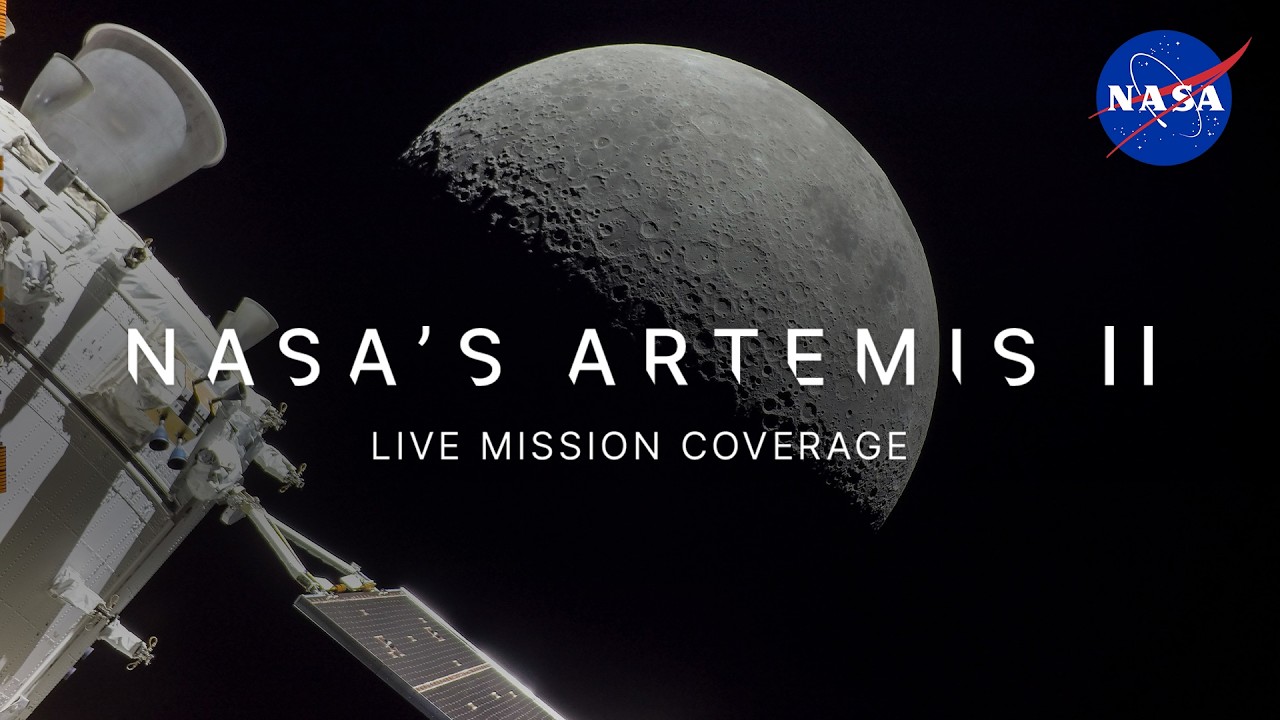
For now, the four crew members of Artemis II are making history simply by being where they are — farther from Earth than any human has traveled in decades, with the moon growing larger in the windows of the Orion spacecraft.
Frequently Asked Questions
When did Artemis II launch?
Artemis II lifted off on April 1, 2025, at 6:35 p.m. EDT from NASA’s Kennedy Space Center in Florida.
Who are the Artemis II crew members?
The crew consists of Commander Reid Wiseman, Pilot Victor Glover, and Mission Specialists Christina Koch and Jeremy Hansen.
Will Artemis II land on the moon?
No — Artemis II is a crewed lunar flyby mission, designed to test all systems with humans aboard before a future landing mission takes place.
How long has it been since humans traveled to the moon?
More than 50 years — the last crewed lunar mission was Apollo 17, which departed the moon in December 1972.
What is the deadline for the Artemis II mission?
According to
What comes after Artemis II?
The next planned mission, Artemis III, is intended to land humans on the lunar surface — though specific timing for that mission has not been confirmed in this source material.


Leave a Reply