

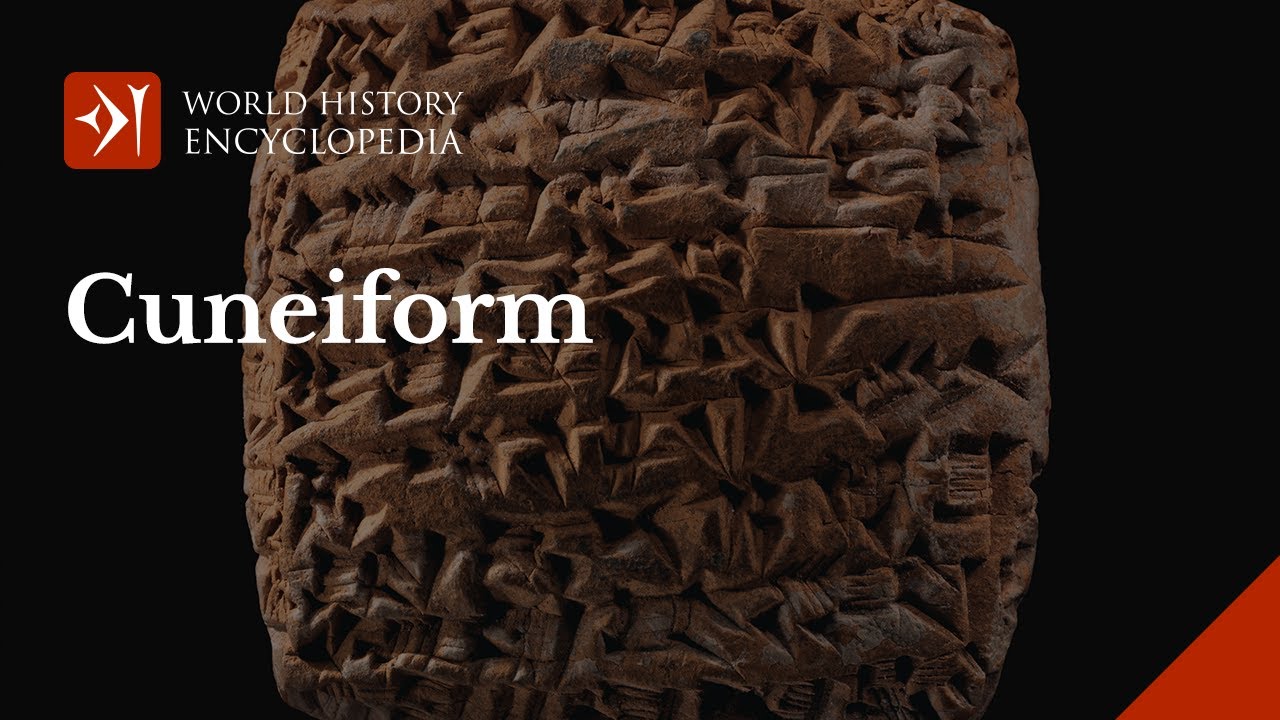
The clay tablet was cracked and weathered, barely larger than Ezra’s palm as he held it up to the museum’s soft lighting. At 78, the retired archaeologist had spent decades studying ancient artifacts, but this particular piece from Mesopotamia still gave him chills. “Can you imagine?” he whispered to his granddaughter beside him. “Four thousand years ago, someone pressed these symbols into wet clay to record grain sales. And here we are, still reading their words.”
That moment of connection across millennia captures something profound about human civilization. Written language didn’t just change how we communicate—it fundamentally transformed what it means to be human.
The story of how marks on clay, stone, and papyrus evolved into the foundation of all modern culture is more dramatic than any Hollywood epic. It’s a tale of innovation, power, and the unstoppable human drive to preserve ideas beyond the limits of memory and mortality.
The Revolution That Started With Accountants
Forget romantic notions about poetry and literature launching written language. The first writers were essentially ancient accountants and bureaucrats in Mesopotamia around 3200 BCE, tracking grain shipments and livestock trades.
These early scribes couldn’t have imagined they were lighting the fuse for human civilization’s biggest explosion. Within centuries, what started as simple record-keeping had evolved into complex systems capable of preserving laws, stories, religious texts, and scientific knowledge.
The invention of writing was more revolutionary than the printing press, the internet, or any digital innovation we’ve seen. It was humanity’s first information technology.
— Dr. Sarah Chen, Digital Humanities Professor at Stanford
The ripple effects were immediate and lasting. Suddenly, knowledge didn’t die with its creator. Laws could be standardized across vast empires. Stories could travel beyond the reach of any single storyteller’s voice.
But written language did something even more profound—it changed how humans think. When we externalize our thoughts onto a physical medium, we can examine them, revise them, and build upon them in ways impossible with purely oral communication.
How Writing Systems Shaped Civilizations
Different writing systems created different kinds of societies, each with unique advantages and challenges. Here’s how major writing traditions influenced the cultures that developed them:
| Writing System | Region | Key Features | Cultural Impact |
|---|---|---|---|
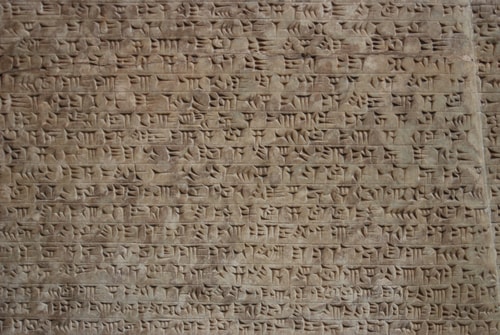
| Cuneiform | Mesopotamia | Wedge-shaped marks on clay | Enabled first legal codes and administrative states |
| Hieroglyphs | Egypt | Picture-based sacred writing | Reinforced religious authority and monumental culture |
| Chinese Characters | China | Logographic system | Unified diverse spoken languages under one written standard |
| Alphabet | Mediterranean | Phonetic symbols | Democratized literacy and enabled widespread education |
The alphabet, in particular, was a game-changer. Unlike complex systems requiring years to master, alphabetic writing could be learned by ordinary people. This accessibility transformed societies from top-down information hierarchies into more democratic cultures.
When writing became accessible to merchants, artisans, and farmers—not just priests and scribes—it fundamentally shifted power structures in ancient societies.
— Dr. Marcus Rodriguez, Ancient History Institute
Consider these transformative effects of widespread literacy:
- Religious reformation became possible when people could read sacred texts themselves
- Scientific knowledge accelerated through written documentation and peer review
- Democratic governance emerged as citizens could access laws and participate in written discourse
- Economic complexity exploded with standardized contracts, banking, and trade agreements
- Cultural preservation allowed traditions to survive conquest, migration, and natural disasters
The Unexpected Consequences Nobody Saw Coming
Written language unleashed changes that even its creators couldn’t anticipate. Memory itself transformed. Before writing, human societies developed incredible oral traditions—people could memorize epic poems thousands of lines long. Writing made such feats unnecessary, but also impossible for most of us.
Plato worried about this trade-off. In his dialogue “Phaedrus,” he argued that writing would weaken human memory and create shallow thinkers dependent on external sources. Sound familiar? It’s the same concern people raise about smartphones and Google today.
But writing also created entirely new forms of thinking. Abstract philosophy, complex mathematics, and systematic science all became possible once ideas could be written down, examined, and built upon over generations.
Writing didn’t just preserve culture—it accelerated cultural evolution by allowing each generation to build on written knowledge rather than starting from scratch.
— Dr. Jennifer Walsh, Cognitive Anthropologist
The social implications were equally dramatic. Written law replaced arbitrary rule by creating standards that applied equally to everyone—in theory. Written contracts made complex business relationships possible across distances and time. Written histories allowed societies to learn from past mistakes instead of repeating them endlessly.
Even our concept of individual identity changed. Before writing, people existed primarily in the immediate context of their community. Written language made possible the idea of preserving individual thoughts and personalities beyond death—the foundation of our modern sense of self.
Why This Ancient Innovation Still Matters Today
In our digital age, it’s tempting to think written language is becoming obsolete. We communicate through images, videos, and voice messages more than ever. But text remains the backbone of human knowledge.
Every line of computer code, every legal document, every scientific paper, every social media post builds on the same fundamental innovation that began with those Mesopotamian clay tablets. We’re not moving beyond written language—we’re expanding it.
Digital communication is actually increasing our reliance on written language, not decreasing it. We text more than we call, and even our videos include captions and descriptions.
— Dr. Amanda Foster, Digital Communication Research Center
The power of written language continues shaping our world in ways both obvious and subtle. It remains the primary tool for preserving knowledge, conducting business, governing societies, and passing culture between generations.
Understanding this history helps us appreciate not just where we came from, but where we’re headed as digital technology creates new forms of written expression we’re only beginning to explore.
FAQs
When was writing first invented?
The earliest known writing systems appeared around 3200 BCE in Mesopotamia and Egypt, initially used for record-keeping and administration.
Why did some cultures develop writing while others didn’t?
Writing typically emerged in complex societies with trade, agriculture, and administrative needs that exceeded what oral communication could handle effectively.
How did writing change human thinking?
Writing allowed people to examine and revise their thoughts, build complex arguments, and develop abstract thinking in ways impossible with purely oral communication.
What was the most important writing system in history?
The alphabet was revolutionary because it made literacy accessible to ordinary people, not just specialized scribes and priests.
Is digital technology making writing less important?
No—digital communication actually increases our use of written language through texting, social media, coding, and online content creation.
How long did it take for writing to spread globally?
Writing systems developed independently in different regions over thousands of years, with some cultures adopting writing only in recent centuries through contact with literate societies.

Leave a Reply