
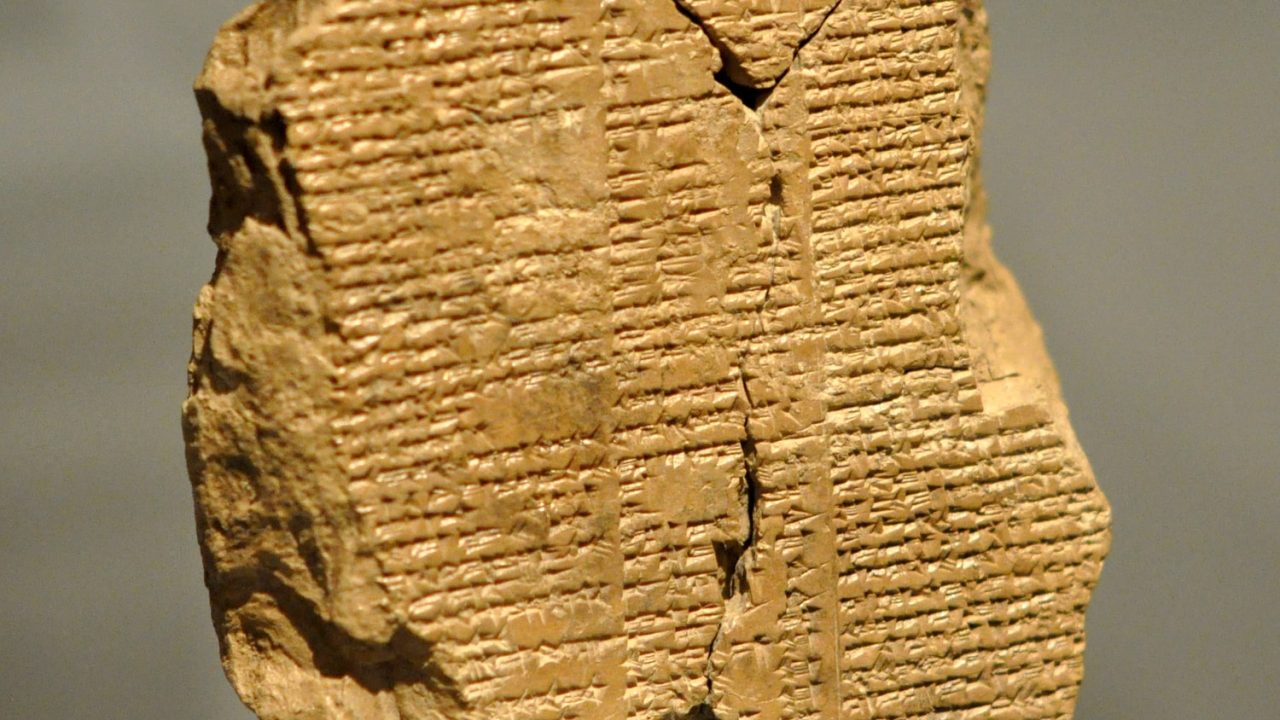
Professor Elena Vasquez carefully brushed away 4,000 years of dust from a cracked clay tablet in her Baghdad laboratory. As the ancient cuneiform symbols emerged, her hands trembled slightly. She wasn’t just uncovering another historical artifact—she was holding humanity’s first attempt at storytelling, older than the Bible, older than Homer, older than any literature most people could name.
“My God,” she whispered to her colleague, “this changes everything we thought we knew about human imagination.”
That moment of discovery happens more often than you might think. Mesopotamian literature continues to reshape our understanding of human creativity, revealing that our ancestors were crafting complex narratives, exploring deep philosophical questions, and expressing raw human emotions thousands of years before we ever imagined.
The Birthplace of Human Storytelling
Mesopotamia—the land between the Tigris and Euphrates rivers in modern-day Iraq—gave us more than just the wheel and agriculture. This ancient civilization created the world’s first written stories, poems, and myths that still resonate with readers today.
The earliest Mesopotamian literature dates back to around 2100 BCE, making it roughly 4,000 years old. These weren’t simple record-keeping exercises or religious chants. These were sophisticated narratives that explored love, loss, friendship, mortality, and the meaning of life—themes that feel surprisingly modern.
The sophistication of these early works is breathtaking. They weren’t just learning to write—they were already mastering the art of storytelling.
— Dr. Michael Crawford, Ancient Literature Specialist
The most famous of these works, the Epic of Gilgamesh, predates Homer’s Iliad by over 1,000 years. But Gilgamesh wasn’t alone. Mesopotamian scribes produced hundreds of literary works, creating the foundation for all storytelling that followed.
The Greatest Hits of Ancient Literature
Mesopotamian literature wasn’t a single work or style—it was an entire literary tradition spanning centuries. Here are the most significant works that shaped human imagination:
| Work | Date (BCE) | Key Themes | Why It Matters |
|---|---|---|---|
| Epic of Gilgamesh | 2100 | Friendship, mortality, heroism | First great epic poem |
| Enuma Elish | 1894-1594 | Creation, divine conflict | Influenced Genesis creation story |
| Epic of Atrahasis | 1700 | Flood, human purpose | Original flood narrative |
| Descent of Inanna | 1900-1600 | Death, rebirth, feminine power | First underworld journey story |
| Code of Hammurabi | 1750 | Justice, law, society | First written legal narrative |
These works established literary devices we still use today:
- The hero’s journey — Gilgamesh’s quest for immortality became the template for countless adventure stories
- Tragic friendship — The bond between Gilgamesh and Enkidu remains one of literature’s most powerful relationships
- Divine intervention — Gods interfering in human affairs became a staple of storytelling
- Moral consequences — Characters facing the results of their choices
- Symbolic imagery — Dreams, animals, and natural phenomena carrying deeper meaning
When you read Gilgamesh today, you’re not reading ancient history. You’re reading the DNA of every story that came after.
— Dr. Sarah Ackerman, Comparative Literature Professor
Why These Ancient Stories Still Matter Today
You might wonder why 4,000-year-old stories matter in our digital age. The answer is simpler than you’d expect: these works tackle the same questions we’re still asking.

Gilgamesh’s fear of death resonates with anyone who’s lost someone they love. Inanna’s journey through the underworld speaks to anyone who’s faced depression or major life changes. The flood stories reflect our ongoing relationship with natural disasters and environmental concerns.
Modern authors continue drawing inspiration from these ancient works. The themes of friendship, mortality, justice, and human purpose that Mesopotamian writers explored remain central to literature, film, and even video games today.
These weren’t primitive people telling simple stories. They were sophisticated writers grappling with complex human experiences that transcend time and culture.
— Dr. James Richardson, Ancient History Institute
The influence extends beyond literature. Psychology recognizes patterns from these ancient narratives in human behavior. Joseph Campbell’s “Hero with a Thousand Faces” traces the hero’s journey directly back to stories like Gilgamesh.
The Revolutionary Writing System Behind the Stories
Mesopotamian literature couldn’t exist without cuneiform writing—humanity’s first writing system. Developed around 3200 BCE, cuneiform started as simple picture symbols but evolved into a complex system capable of expressing abstract ideas, emotions, and complex narratives.
The physical act of creating literature was labor-intensive. Scribes pressed wedge-shaped styluses into wet clay tablets, which were then dried or fired to preserve the text. This process meant that only the most important stories were worth the effort to record and preserve.
The durability of clay tablets has been a gift to modern scholars. While papyrus and parchment deteriorated over millennia, thousands of cuneiform tablets survived, buried in ancient libraries and archives across Mesopotamia.
Every tablet we discover is like finding a message in a bottle from humanity’s childhood. These ancient writers were speaking directly to us across 4,000 years.
— Dr. Patricia Gonzalez, Cuneiform Specialist
The Lasting Legacy of Mesopotamian Imagination
The impact of Mesopotamian literature extends far beyond academic circles. These works established storytelling traditions that influenced the Bible, Greek mythology, and virtually every literary tradition that followed.
The Epic of Gilgamesh alone has been translated into dozens of languages and adapted into novels, plays, operas, and films. Universities worldwide teach these works not as historical curiosities but as living literature that continues to speak to contemporary readers.
Perhaps most importantly, Mesopotamian literature proves that the human need to tell stories, to make sense of existence through narrative, is as old as civilization itself. These ancient writers weren’t just recording events—they were using imagination to explore what it means to be human.
FAQs
What is the oldest piece of literature in the world?
The Epic of Gilgamesh, dating to around 2100 BCE, is generally considered the world’s oldest known work of literature.
How do we know what these ancient texts say?
Scholars spent centuries learning to read cuneiform script, and thousands of clay tablets have been discovered and translated over the past 150 years.
Were these stories based on real people?
Some characters, like Gilgamesh, may have been based on real historical figures, but the stories themselves are clearly mythological and literary rather than historical accounts.
Why were these stories written down?
Initially for religious and cultural preservation, but also for education—scribes used these texts to teach reading and writing to new generations.
Can I read these works today?
Yes! Modern translations of works like the Epic of Gilgamesh are widely available and surprisingly accessible to contemporary readers.
How did these stories influence later literature?
They established fundamental storytelling patterns, character types, and themes that appear throughout Western and world literature, including the Bible and Greek epics.

Leave a Reply