
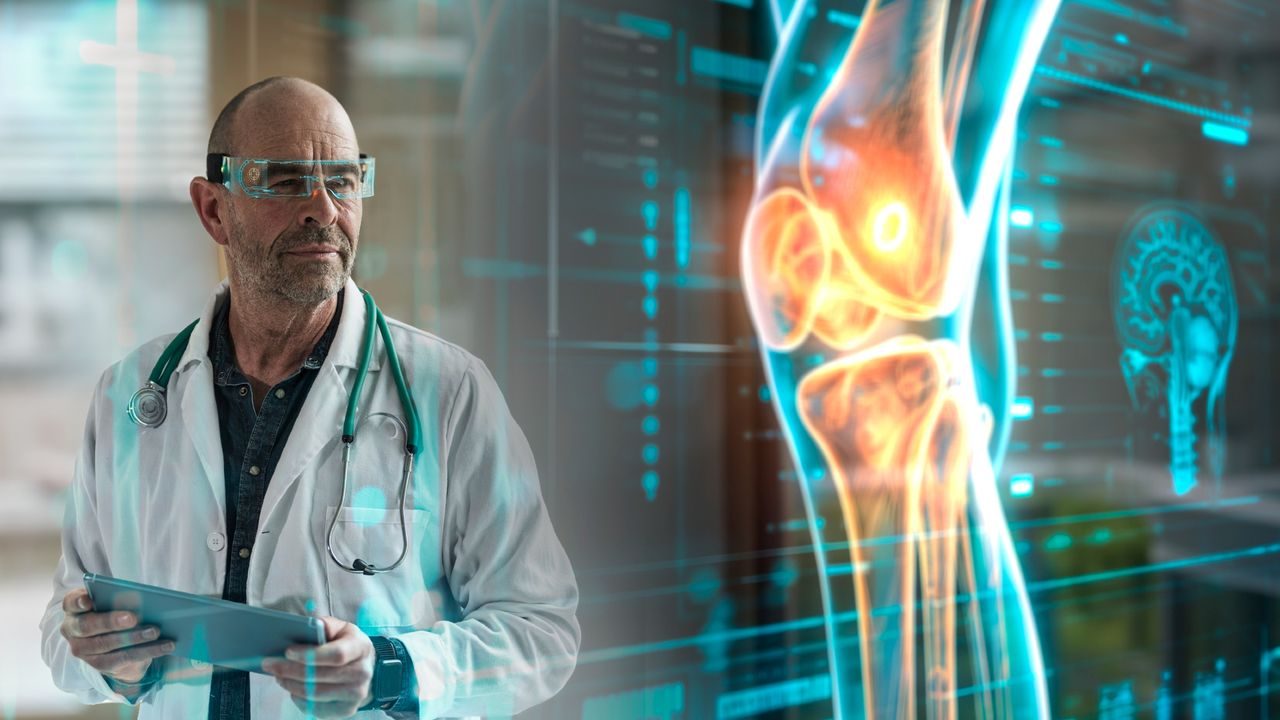
AI systems are being trained to read mammograms, MRIs, and tissue biopsies — and some analysts have suggested these tools could eventually replace human doctors in medical diagnostics. But a new study is raising serious questions about whether current AI models are actually ready for that responsibility.
The concern centers on a flaw that researchers are calling “AI mirages” — a term that captures how these systems can, in effect, fabricate findings when analyzing medical scans. It’s a problem that strikes at the heart of one of the most consequential applications of artificial intelligence in modern medicine.
If the technology meant to detect cancer or disease can generate findings that aren’t really there, the stakes couldn’t be higher.
What “AI Mirages” Actually Mean for Medical Diagnostics
The phrase “AI mirage” refers to a situation where an AI model produces results that appear credible but may not accurately reflect what is actually present in a medical image. Researchers studying these systems have identified this as a structural flaw — not just an occasional glitch — in how some AI diagnostic tools operate.
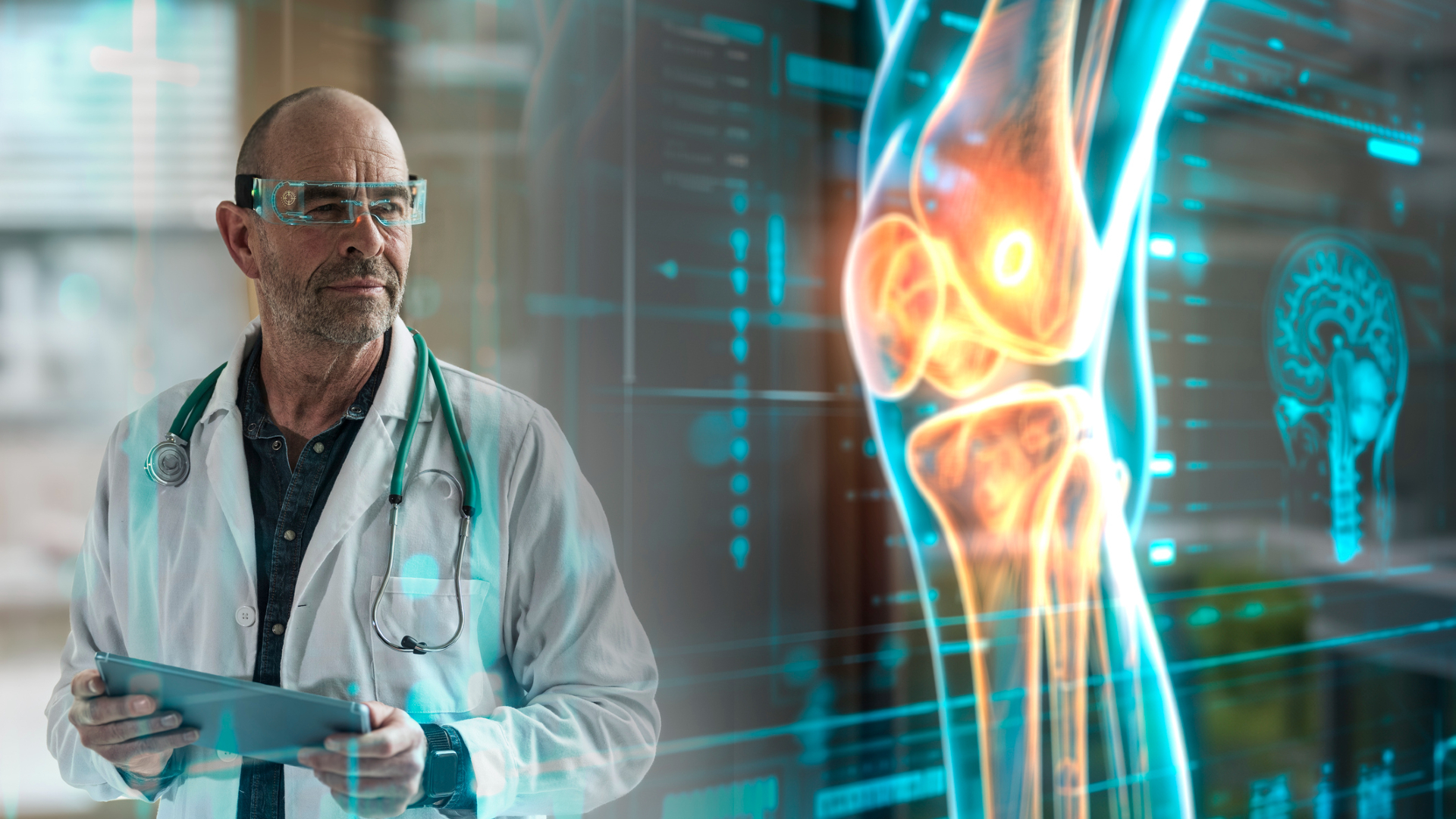
This matters because the entire value of AI in medical imaging is precision. A radiologist reviewing a mammogram or an MRI is looking for real, physical signs of disease. If an AI model is prone to generating or emphasizing findings that don’t correspond to genuine pathology, it doesn’t just fail to help — it could actively mislead.
The researchers behind the new study warn that this flaw could fundamentally undermine the accuracy of AI tools currently being developed and deployed to interpret visual medical tests. That includes some of the most commonly used and highest-stakes diagnostic procedures in healthcare today.
The Medical Scans at Risk
The study’s concerns apply broadly across the types of visual diagnostic tools that AI is increasingly being trained to read. These include:
- Mammograms — used to screen for breast cancer
- MRI scans — used to examine soft tissue, the brain, joints, and organs
- Tissue biopsies — used to identify cancerous or abnormal cells under microscopic analysis
Each of these tests is used to make life-altering medical decisions. A false positive — a finding that suggests disease where none exists — can lead to unnecessary procedures, treatments, and enormous psychological distress for patients. A false negative, where real disease is missed, can be fatal.
The promise of AI in this space was always that it could process images faster and with greater consistency than human reviewers, catching things that tired or overloaded clinicians might miss. The concern raised by this research is that the technology may be introducing a new and different category of error.
| Scan Type | Primary Use | Risk if AI Fabricates Findings |
|---|---|---|
| Mammogram | Breast cancer screening | False positives or missed tumors |
| MRI | Soft tissue and organ examination | Incorrect diagnosis of neurological or structural conditions |
| Tissue Biopsy | Identifying cancerous cells | Misclassification of benign or malignant tissue |
Why This Flaw Is So Hard to Catch
One of the reasons the “AI mirage” problem is particularly troubling is that these systems don’t announce their uncertainty. AI diagnostic tools typically produce outputs that look authoritative — a highlighted region on a scan, a classification, a confidence score. To a clinician under time pressure, that can carry real weight.
The challenge is that AI models trained on medical imaging data can learn patterns that correlate with disease in training datasets without necessarily learning the underlying biological reality those patterns represent. When the model encounters a new scan, it may apply those learned patterns in ways that generate plausible-looking but ultimately unreliable conclusions.
Researchers have been raising concerns about the interpretability of AI systems in high-stakes environments for years. But the specific framing of “mirages” — fabricated findings that look real — adds a more urgent dimension to the debate around deploying these tools in clinical settings without sufficient safeguards.
The Broader Question of Replacing Human Doctors
The new research arrives at a moment when the conversation about AI replacing human medical professionals has been growing louder. Some analysts have pointed to AI’s speed and scalability as reasons to believe it could take over significant portions of diagnostic radiology and pathology in the coming years.
This study pushes back on that optimism — at least for now. The implication is clear: if current AI models can fabricate findings in medical scans, the case for replacing human oversight with automated systems becomes significantly harder to make.
That doesn’t mean AI has no role in medical imaging. Supporters of the technology argue it works best as a tool that assists trained clinicians rather than one that operates independently. The concern is less about AI being involved and more about how much autonomy it is given — and how rigorously its outputs are validated before they influence patient care.
What Needs to Happen Before AI Can Be Trusted With Medical Scans
The research signals that the path forward requires more than just improving AI accuracy rates on benchmark tests. Addressing the mirage problem likely means rethinking how these models are trained, tested, and monitored once deployed.
Critics of rapid AI adoption in healthcare have long argued that the regulatory and validation frameworks for these tools have not kept pace with the technology itself. A model that performs well in a controlled research environment may behave differently when applied to the full, messy diversity of real-world patient scans.
For now, the study serves as a significant caution signal to hospitals, developers, and policymakers considering how — and how quickly — to integrate AI into diagnostic workflows. The technology may be advancing fast, but the evidence suggests it is not yet reliable enough to be trusted without robust human oversight at every step.
Frequently Asked Questions
What are “AI mirages” in medical diagnostics?
AI mirages refer to fabricated or inaccurate findings that AI models may generate when analyzing medical scans, potentially misleading clinicians about what is actually present in an image.
Which types of medical scans are affected by this problem?
Researchers identified concerns across mammograms, MRIs, and tissue biopsies — some of the most commonly used visual diagnostic tools in medicine.
Does this mean AI should not be used in medical imaging at all?
The research does not call for a ban on AI in diagnostics, but it does raise serious questions about deploying these tools without strong human oversight and rigorous validation processes.
Could AI mirages lead to patients being misdiagnosed?
That is the core concern raised by the researchers — fabricated findings could lead to false positives, unnecessary treatments, or missed diagnoses with serious consequences for patients.
Are these AI systems currently being used in hospitals?
AI tools for medical image analysis are actively being developed and, in some cases, already deployed in clinical settings, which is part of why researchers consider this flaw an urgent issue to address.
Will this research change how AI diagnostic tools are regulated?
This has not yet been confirmed, but the findings add to a growing body of evidence that current validation and regulatory frameworks may need to be strengthened before wider clinical adoption.



Leave a Reply