
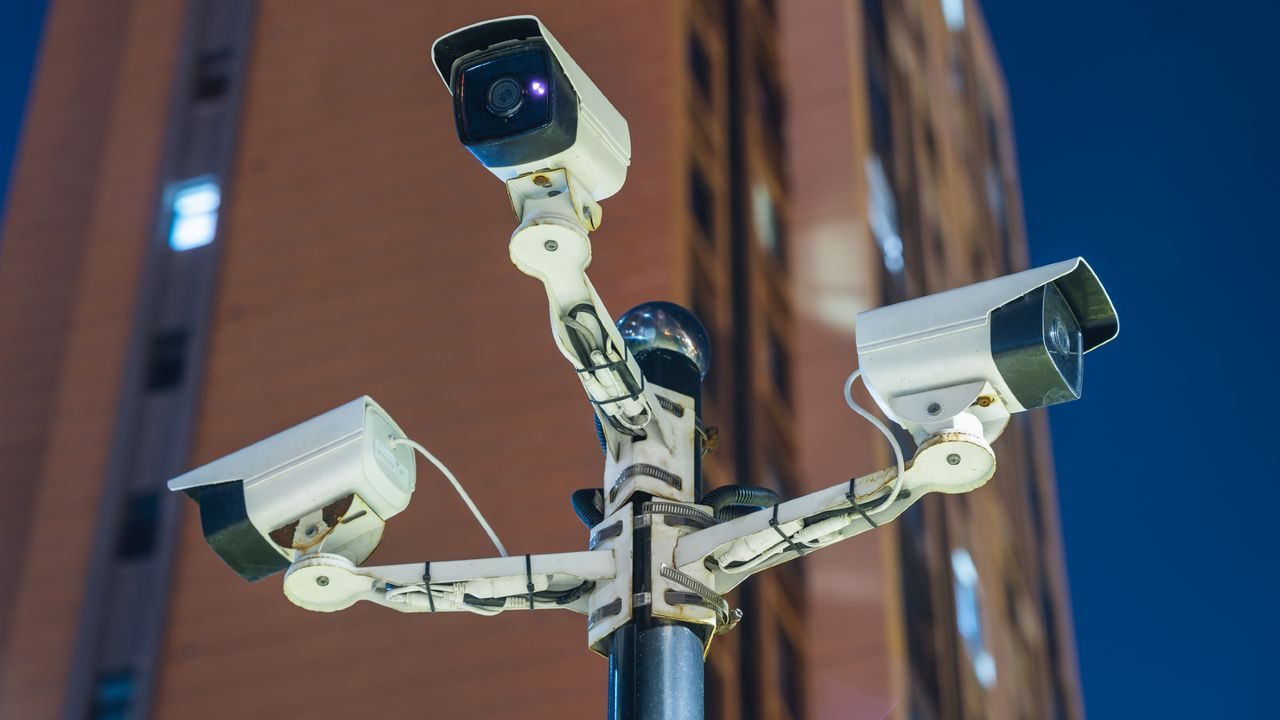
Cameras have quietly multiplied across thousands of American cities — and most people have no idea how much data those cameras are now collecting about them. What started as a straightforward traffic safety tool has evolved into something far more expansive: a nationwide surveillance infrastructure with artificial intelligence at its core and, critically, no federal law governing how it works.
Automatic license plate readers, known as ALPRs, are now installed at major intersections, bridges, and highway off-ramps across the country. These systems don’t just photograph a plate. They capture images of the vehicle itself, log the time and location of every pass, and — increasingly — feed that information into AI-powered databases that can track movement patterns over time.
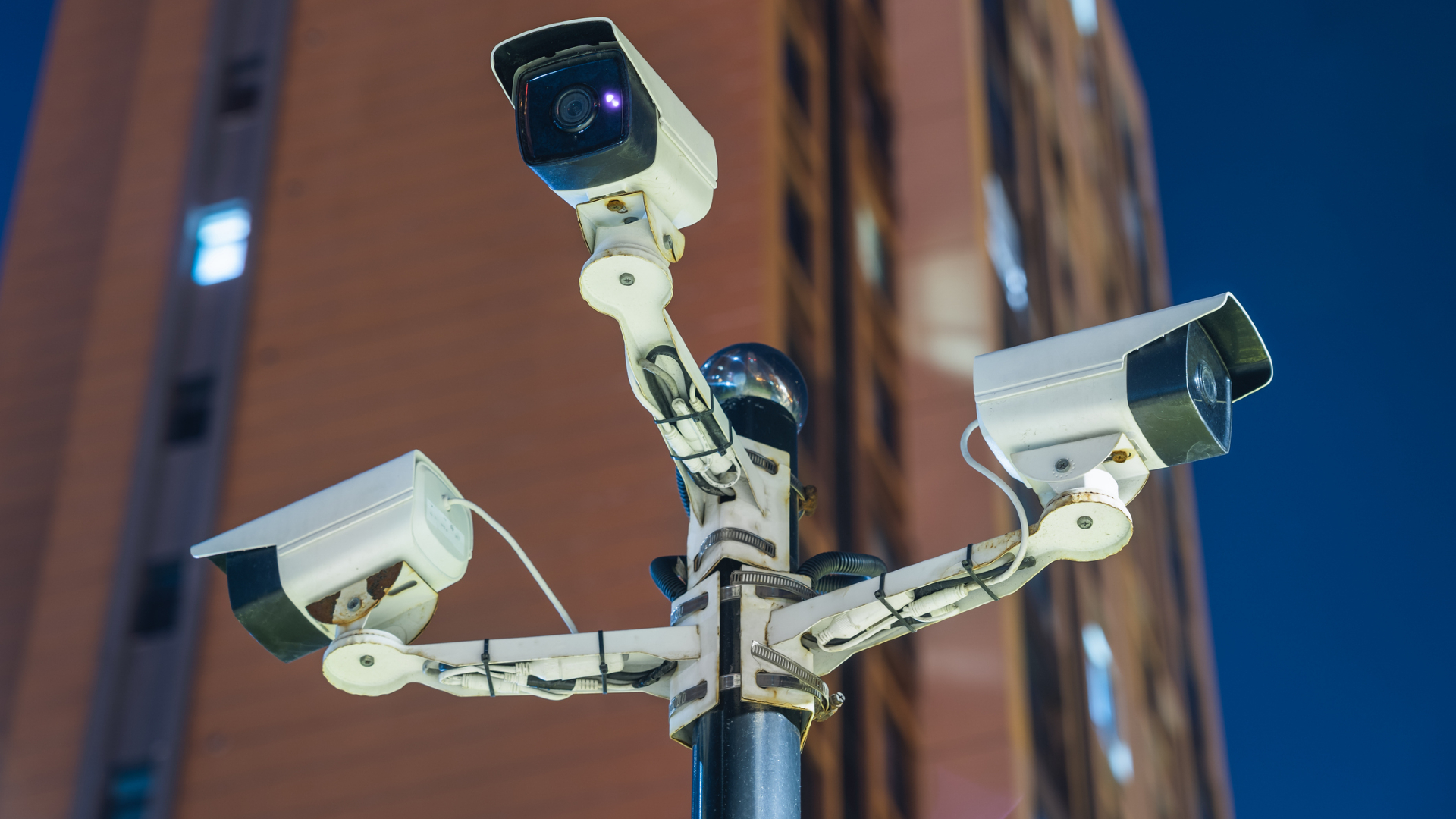
The technology spread quietly, city by city, often without public debate. Now, as AI integration accelerates, the alarms are getting louder.
How Everyday Infrastructure Became a Surveillance Network
For decades, the design of American cities was shaped almost entirely around the car. Roads widened. Parking lots expanded. Entire neighborhoods were restructured to accommodate vehicle traffic. Few people imagined that the same cars navigating those roads would one day become data points in a sprawling surveillance system.
That’s essentially what has happened. Automatic license plate readers were originally positioned as law enforcement tools — useful for flagging stolen vehicles or tracking suspects in active investigations. The pitch was narrow and the use cases seemed reasonable. But the infrastructure, once installed, proved far more flexible than its original framing suggested.
Today, these camera systems don’t just flag vehicles of interest. They passively log every vehicle that passes, building detailed records of where people go, how often, and at what times. When that data is integrated with AI systems capable of pattern recognition and cross-referencing, the resulting picture of an individual’s movements can be remarkably detailed — assembled without a warrant, without suspicion, and without the subject’s knowledge.
What AI Is Actually Doing With This Data
The core concern isn’t the cameras themselves. Fixed surveillance cameras have existed in American cities for years. The shift that’s drawing alarm is what happens after the image is captured.
AI systems can now process license plate data at scale, linking records across different locations and time periods to reconstruct travel histories. A single camera catches a snapshot. A networked system of cameras, unified by AI, can build a timeline. That’s a qualitatively different kind of surveillance — one that raises serious questions about privacy, civil liberties, and the appropriate limits of government monitoring.
Critics of the current trajectory argue that the absence of any national legal framework is the most dangerous part of this picture. Without federal oversight, the rules governing how license plate data is collected, stored, shared, and used vary wildly from one jurisdiction to the next — or don’t exist at all.
The Legal Gap That Makes This Possible
There is currently no federal law in the United States that specifically governs the collection or use of automatic license plate reader data. That gap means law enforcement agencies, private companies, and data brokers can all operate in this space with minimal standardized restriction.
Some states have moved to address the issue individually, passing laws that limit retention periods or restrict who can access the data. But a patchwork of state rules is not the same as a coherent national standard — and in a country where people cross state lines routinely, the protection offered by any single state’s law has obvious limits.
Advocates for stronger oversight argue that the public largely doesn’t understand how extensively this data is already being collected, or how long it may be retained. The absence of public awareness, they contend, has allowed the infrastructure to expand with very little democratic accountability.
| Surveillance Element | What It Captures | AI Integration Risk |
|---|---|---|
| Automatic License Plate Readers (ALPRs) | License plate data, vehicle images, time and location | Cross-location movement tracking and pattern analysis |
| Networked Camera Systems | Vehicle and pedestrian imagery at intersections and highways | Real-time identification and historical reconstruction |
| AI Data Integration | Aggregated records from multiple sources | Detailed travel histories built without warrants or consent |
| Federal Legal Framework | N/A — no national law currently exists | No standardized limit on collection, retention, or sharing |
Why This Affects Ordinary People, Not Just Suspects
The instinctive response to surveillance concerns is often: “I have nothing to hide.” But that framing misses the point. Mass surveillance doesn’t only matter when someone is guilty of something. It matters because the accumulation of location data, over time, reveals intimate details of ordinary life — medical appointments, religious attendance, political gatherings, personal relationships.
When that data is collected passively on everyone, stored indefinitely, and accessible without meaningful legal oversight, the potential for misuse is significant. That includes not just government overreach but also data breaches, unauthorized sharing with private entities, and the chilling effect that comes from knowing your movements are being logged.
The concern is particularly acute because the people most affected often have the least power to push back. Communities that are already subject to higher levels of policing are likely to find their data captured and analyzed more frequently — a feedback loop that critics say can entrench existing inequalities rather than address them.
What Would Need to Change
Advocates calling for reform generally point to several areas where action is needed: clear limits on how long ALPR data can be retained, restrictions on who can access it and for what purposes, transparency requirements so the public knows where cameras are deployed, and a federal baseline that applies regardless of which state a vehicle is registered in or traveling through.
Whether Congress moves to fill the current legal vacuum remains an open question. The technology, however, is not waiting. AI systems are being integrated with existing camera infrastructure now, in real time, in cities across the country — and the legal frameworks that might govern that integration are still catching up.
Frequently Asked Questions
What are automatic license plate readers?
Automatic license plate readers are camera-based systems installed at locations like intersections, bridges, and highway off-ramps that capture license plate data, vehicle images, and the time and location of passing vehicles.
Is there a federal law governing how license plate data is collected or used?
No. There is currently no national law in the United States that specifically regulates the collection, storage, or use of automatic license plate reader data.
How does AI make license plate surveillance more powerful?
AI systems can cross-reference data from multiple camera locations to reconstruct detailed travel histories and movement patterns — going far beyond what a single camera capture would reveal on its own.
Can private companies access this data?
Do any states have laws protecting residents from this kind of surveillance?
Some states have passed their own rules limiting data retention periods or access, but there is no consistent national standard, and state-level protections have obvious limits for people who travel across state lines.
Is this only a concern for people suspected of crimes?
No. Because ALPRs passively log all passing vehicles regardless of suspicion, the data collected can reveal sensitive details about ordinary people’s lives — including medical visits, religious attendance, and political activity.




Leave a Reply