
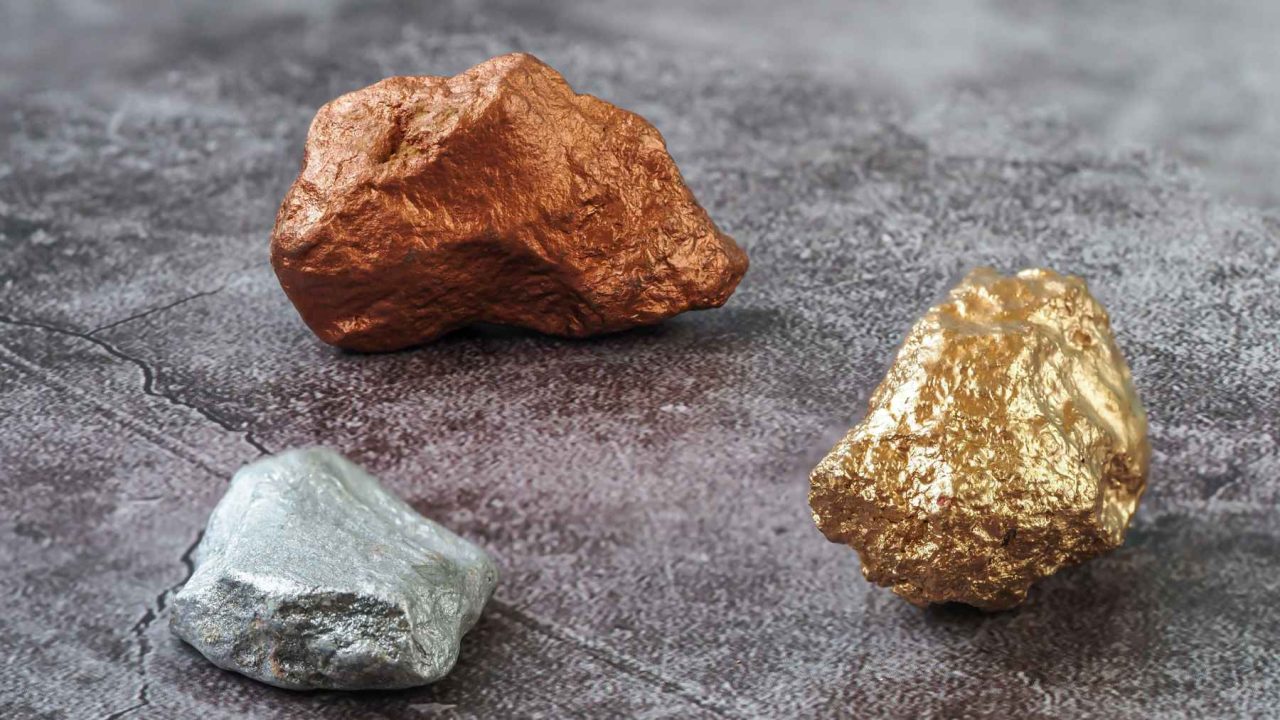
Eighty-four billion pounds of copper sitting beneath the Andes Mountains — and the world is only just beginning to understand what that number means. A new resource estimate for a deposit straddling the border between Argentina and Chile has drawn the kind of attention that rarely comes to a mining project still years away from production.
The companies behind the project are calling it the largest greenfield copper discovery in 30 years. That is a bold claim in an industry full of bold claims, but the numbers behind it are hard to dismiss.
Whether it ever becomes a functioning mine is a different question entirely — and the answer is far from guaranteed.
What Was Actually Found in the Andes
The discovery centers on a region called the Vicuña district, located along the international border between Argentina and Chile. Mining company Lundin Mining has combined two nearby deposits — Filo del Sol and Josemaria — into a single resource estimate, arguing that sites sitting close together can share infrastructure rather than duplicating construction costs twice over.
The logic is straightforward: building one processing facility, one access road, one power supply for two adjacent deposits is significantly cheaper than building everything separately. On paper, combining them makes the overall project more economically attractive.
The resulting estimate is what drew global headlines. In its higher-confidence category, the deposit contains approximately 29 billion pounds of contained copper, along with roughly 32 million ounces of contained gold and about 659 million ounces of contained silver. A lower-confidence category adds another estimated 55 billion pounds of copper on top of that — bringing the total copper figure to as much as 84 billion pounds across both confidence tiers.
Those are not typos. They are the kind of numbers that make geologists stop and reread the report.
Why the Vicuña District Copper Deposit Is Being Watched So Closely
Copper is not a niche industrial metal. It is essential to virtually everything the modern world is building right now — electric vehicles, renewable energy grids, data centers, and the cables that connect all of it. Global demand for copper has been climbing steadily, and many analysts have warned that supply is not keeping pace.
Against that backdrop, a deposit this size in the Andes attracts serious attention from governments, investors, and manufacturers alike. Argentina, in particular, has been working to position itself as a major player in the global mining sector, and a find of this scale reinforces that ambition.
The cross-border nature of the Vicuña district also adds a layer of geopolitical interest. Both Argentina and Chile have established mining industries, but coordinating a project that physically spans an international boundary requires cooperation at a level that goes well beyond typical permitting.
The Numbers Behind the Headline
| Resource Category | Copper (lbs) | Gold (oz) | Silver (oz) |
|---|---|---|---|
| Higher-Confidence (Indicated) | ~29 billion | ~32 million | ~659 million |
| Lower-Confidence (Inferred) | ~55 billion | Not specified in source | Not specified in source |
| Combined Total (Copper) | Up to ~84 billion | Tens of millions (combined) | Hundreds of millions (combined) |
It is worth understanding what “higher-confidence” and “lower-confidence” mean in this context. Mining resource estimates are divided into categories based on how thoroughly the deposit has been drilled and tested. Higher-confidence figures reflect areas where geologists have more data points and tighter certainty. Lower-confidence figures represent areas that show strong signs of mineralization but have not yet been as thoroughly explored.
Both categories count toward the total estimate, but investors and engineers treat them very differently when planning a project.
The Part of This Story Most Reports Are Missing
A resource estimate is not a mine. That distinction matters enormously, and it tends to get lost in the excitement surrounding announcements like this one.
Before a single pound of copper can be extracted and sold, the Vicuña district project would need to clear years of engineering studies, environmental assessments, permitting processes in two separate countries, and what ” Each of those stages carries real risk of delay, cost overrun, or outright rejection.
Cross-border mining projects face additional layers of complexity that purely domestic operations do not. Regulatory frameworks, royalty structures, water rights, and community consultation requirements all have to be navigated simultaneously across two different national systems.
None of that means the project will fail. It means the road from this week’s headline to actual copper production is long, expensive, and uncertain — and anyone watching this story should keep that in mind.
What Happens From Here
The immediate next steps for the Vicuña district involve further technical studies to refine the resource estimate and begin the early stages of feasibility analysis. Moving from a resource estimate to a formal feasibility study is a significant milestone that typically takes several years and hundreds of millions of dollars in additional investment.
Permitting in both Argentina and Chile will run in parallel with that technical work. Community engagement — with local populations, indigenous groups, and environmental advocates — is increasingly a make-or-break factor for large mining projects in South America, and it cannot be rushed without consequence.
The global copper market will be watching. If the Vicuña project advances toward production, it could eventually represent a meaningful addition to world copper supply. How meaningful — and how soon — depends on decisions and negotiations that have not yet begun in earnest.
For now, the Andes have yielded one of the most significant mineral discoveries in a generation. What the world does with that discovery is still very much an open question.
Frequently Asked Questions
Where exactly is the Vicuña district deposit located?
The Vicuña district sits along the international border between Argentina and Chile in the Andes Mountains, combining two nearby deposits called Filo del Sol and Josemaria.
Who is behind the project?
Lundin Mining is the company responsible for the combined resource estimate covering both deposits in the Vicuña district.
How much copper has been confirmed in the deposit?
The higher-confidence portion of the estimate contains approximately 29 billion pounds of copper. A lower-confidence category adds roughly 55 billion more, bringing the combined total to as much as 84 billion pounds.
Is gold and silver also part of the find?
Yes. The higher-confidence category alone includes approximately 32 million ounces of gold and about 659 million ounces of silver, in addition to the copper.
When will the mine actually start producing copper?
No production timeline has been confirmed. The project still faces years of engineering studies, environmental permitting in two countries, and public consultation before any mining could begin.
Why does the cross-border location matter?
Operating across the Argentina-Chile border means the project must navigate two separate regulatory and permitting systems simultaneously, which adds significant complexity and time to the development process.



Leave a Reply