
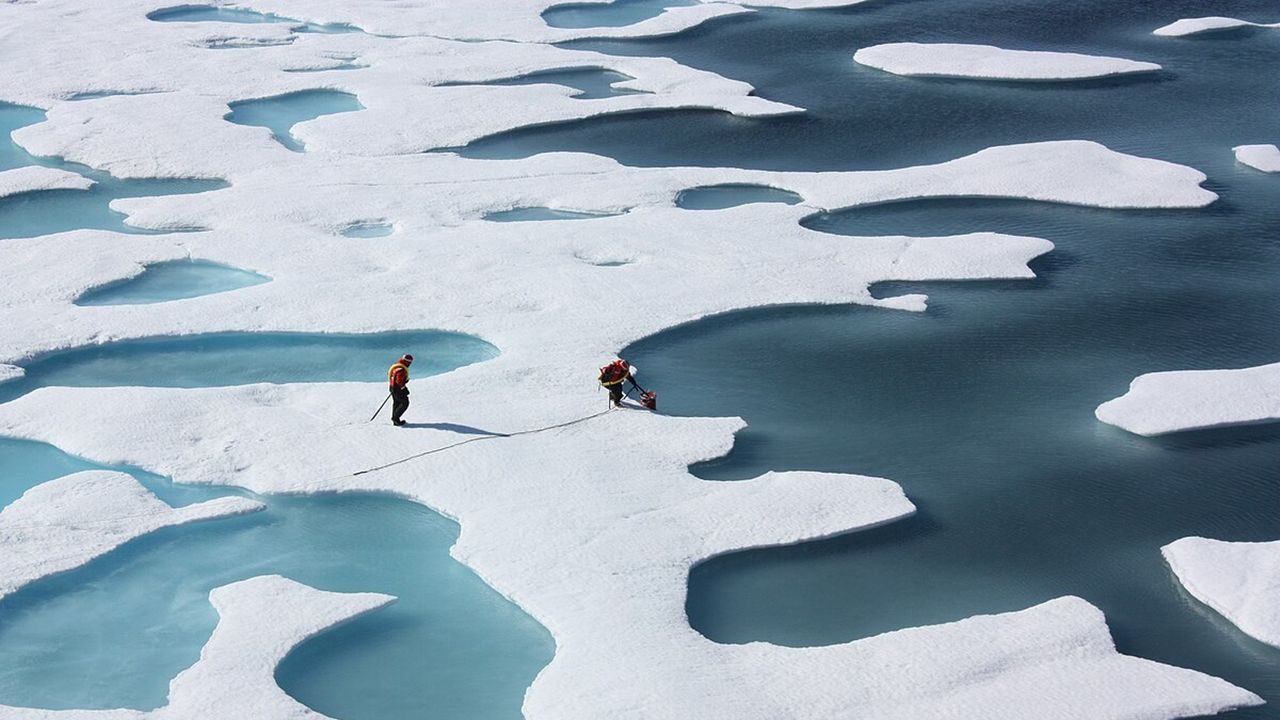
Beneath Antarctica’s vast ice sheets lies something that could reshape global geopolitics for centuries to come: enormous reserves of gold, silver, copper, iron, and other valuable minerals — and a warming climate may be slowly pulling back the frozen curtain that has kept them out of reach.
A study published in Nature Climate Change projects that as much as 120,610 square kilometers of new, ice-free land could emerge in Antarctica by the year 2300. To put that in perspective, that is roughly the size of Pennsylvania — a landmass currently buried under ice, potentially rising into view as global temperatures climb.
The research is notable not just for its scale, but for its methodology. It is the first study of its kind to factor in glacial isostatic adjustment — the process by which land that has been compressed under the weight of massive ice sheets slowly rebounds upward once that ice retreats. That added layer of scientific precision makes the projections more realistic than earlier estimates, and the implications are significant.
What Is Actually Happening Under the Ice
Antarctica has long been understood to be mineral-rich. The continent sits atop geological formations that geologists have linked to deposits of gold, silver, copper, iron, and other resources. But because the continent is almost entirely covered in ice — in some places miles thick — those resources have remained effectively inaccessible and, for the most part, off-limits under international agreement.
What this new research adds to the conversation is a clearer picture of how much land could realistically become exposed as climate change accelerates ice loss. The 120,610 square kilometers figure represents a substantial expansion of ice-free territory, and it raises a question that scientists, diplomats, and policymakers are increasingly being forced to confront: what happens to Antarctica’s protected status if its landscape fundamentally changes?
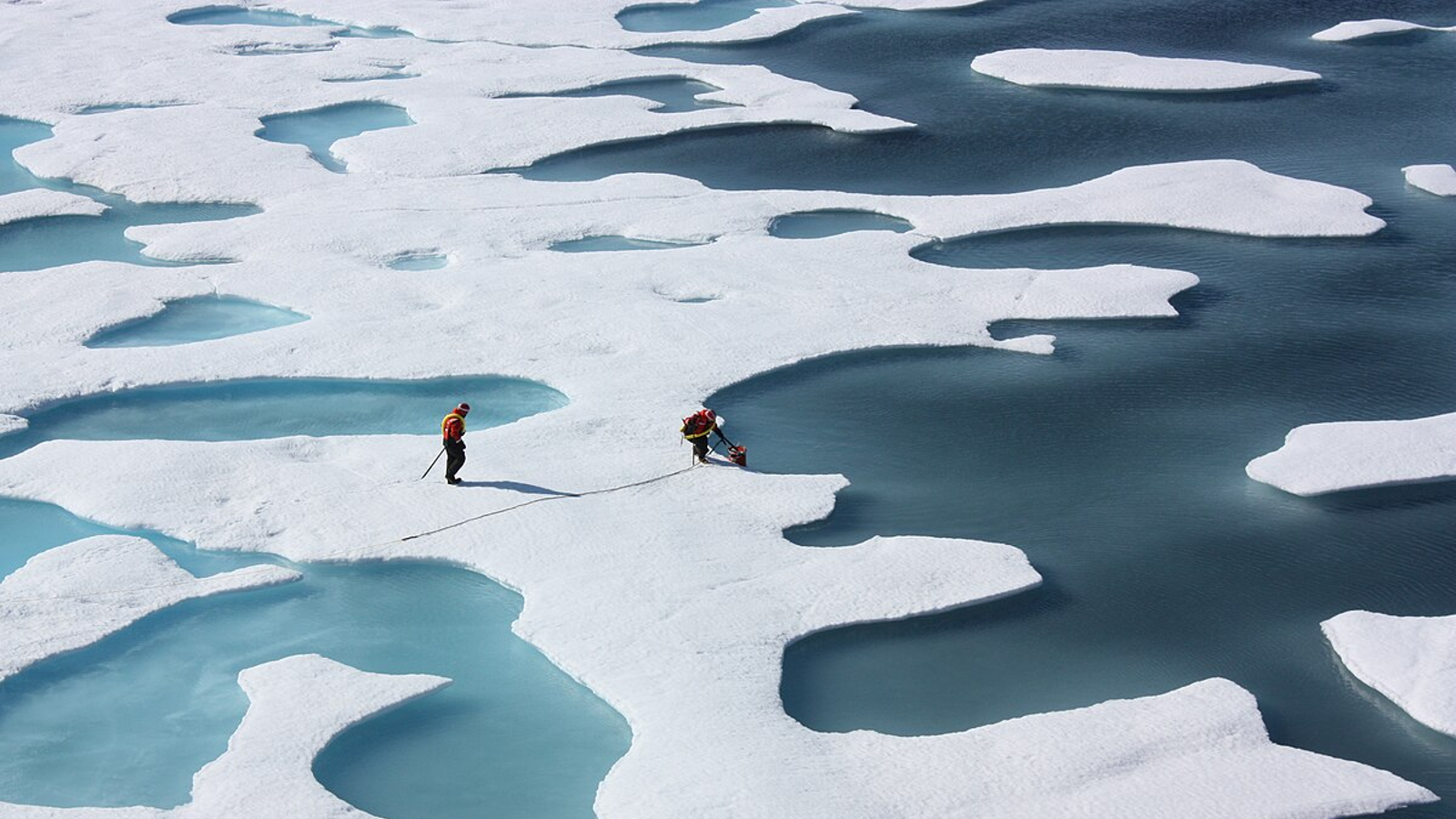
The land rebound process — glacial isostatic adjustment — matters here because it means the exposed land area could be even larger than simple ice-melt projections would suggest. As ice retreats, the ground beneath it literally rises. That means more terrain could emerge above sea level than models previously anticipated.
The Geopolitical Stakes of Antarctica’s Mineral Wealth
Antarctica is currently governed by the Antarctic Treaty System, a framework that has kept the continent demilitarized and largely free from resource extraction since 1959. A key component of that framework, the Protocol on Environmental Protection — also known as the Madrid Protocol — explicitly bans mining on the continent.
But those protections were designed for a world in which Antarctica’s resources were essentially unreachable. A Pennsylvania-sized expansion of accessible, ice-free land could change the calculus entirely. Analysts and researchers have warned that as the continent becomes more physically accessible, pressure on that treaty framework is likely to grow.
Several nations already maintain territorial claims in Antarctica — claims that are neither universally recognized nor resolved. As resource-rich land begins to emerge, those competing claims could become far more contentious. The race to harvest Antarctic minerals, if it ever begins in earnest, would not start from a level playing field.
Key Facts About the Antarctic Mineral and Land Projection
| Detail | Information |
|---|---|
| Projected new ice-free land by 2300 | 120,610 square kilometers |
| Comparable land area | Roughly the size of Pennsylvania |
| Study publication | Nature Climate Change |
| Key scientific factor included | Glacial isostatic adjustment (land rebound after ice retreat) |
| Known mineral resources | Gold, silver, copper, iron |
| Current legal framework | Antarctic Treaty System; Madrid Protocol bans mining |
- The study is the first to incorporate land rebound dynamics into ice-free land projections for Antarctica.
- Glacial isostatic adjustment means exposed land area could exceed what simple melt models predict.
- The findings dramatically reshape how scientists and policymakers think about Antarctica’s long-term future.
- Multiple nations hold overlapping and disputed territorial claims on the continent.
Why This Could Affect More Than Just Antarctica
The consequences of this research extend well beyond the ice. If significant mineral deposits become accessible in Antarctica over the coming centuries, it would represent one of the largest potential shifts in global resource geography in modern history.
Copper and iron are foundational to manufacturing, infrastructure, and the energy transition. Gold and silver underpin financial systems and high-tech industries. A continent-sized reservoir of these materials entering the geopolitical conversation — even theoretically — carries enormous weight.
There is also a profound environmental dimension. The same melting that would expose these resources is itself a symptom of the climate crisis. Scientists have consistently noted that accelerating ice loss in Antarctica contributes to rising sea levels worldwide, threatening coastal communities on every continent. The mineral wealth and the environmental cost are inseparable parts of the same story.
Observers have noted that the findings put fresh pressure on the international community to clarify and reinforce the legal protections that currently govern Antarctica — before the physical reality on the ground begins to outpace the treaties designed to manage it.
What the Timeline Actually Looks Like
It is worth being clear about the timeframe involved. The projection of 120,610 square kilometers of new ice-free land is tied to the year 2300 — nearly three centuries from now. This is not an imminent crisis in the conventional sense. But climate projections of this nature are rarely linear, and the pace of ice loss in recent decades has consistently surprised researchers by exceeding earlier estimates.
The Madrid Protocol’s mining ban is also subject to review. Its provisions allow for the possibility of revisiting the ban after 50 years — meaning the legal landscape governing Antarctic resources could itself shift well before the ice does.
For now, the continent remains protected. But this research makes clear that the window for strengthening those protections — and building the international consensus needed to sustain them — may be narrower than it once appeared.
Frequently Asked Questions
How much new ice-free land could appear in Antarctica by 2300?
The study projects up to 120,610 square kilometers of new ice-free land — an area roughly comparable to the size of Pennsylvania.
What minerals are found beneath Antarctica’s ice?
Antarctica is known to hold significant deposits of gold, silver, copper, and iron, among other resources.
Is mining currently allowed in Antarctica?
No. The Madrid Protocol, part of the Antarctic Treaty System, currently bans mining on the continent.
What is glacial isostatic adjustment and why does it matter here?
Glacial isostatic adjustment is the process by which land rises after being relieved of the weight of ice sheets. This study is the first Antarctic land projection to include this factor, which means more land could emerge above sea level than simple melt models suggest.
Which countries have claims on Antarctic territory?
Several nations hold territorial claims in Antarctica, though these claims are not universally recognized.
When could the Antarctic mining ban be legally revisited?
The Madrid Protocol includes provisions allowing review of the mining ban after 50 years, meaning the legal framework could potentially be reconsidered before the most dramatic ice loss projections materialize.



Leave a Reply