
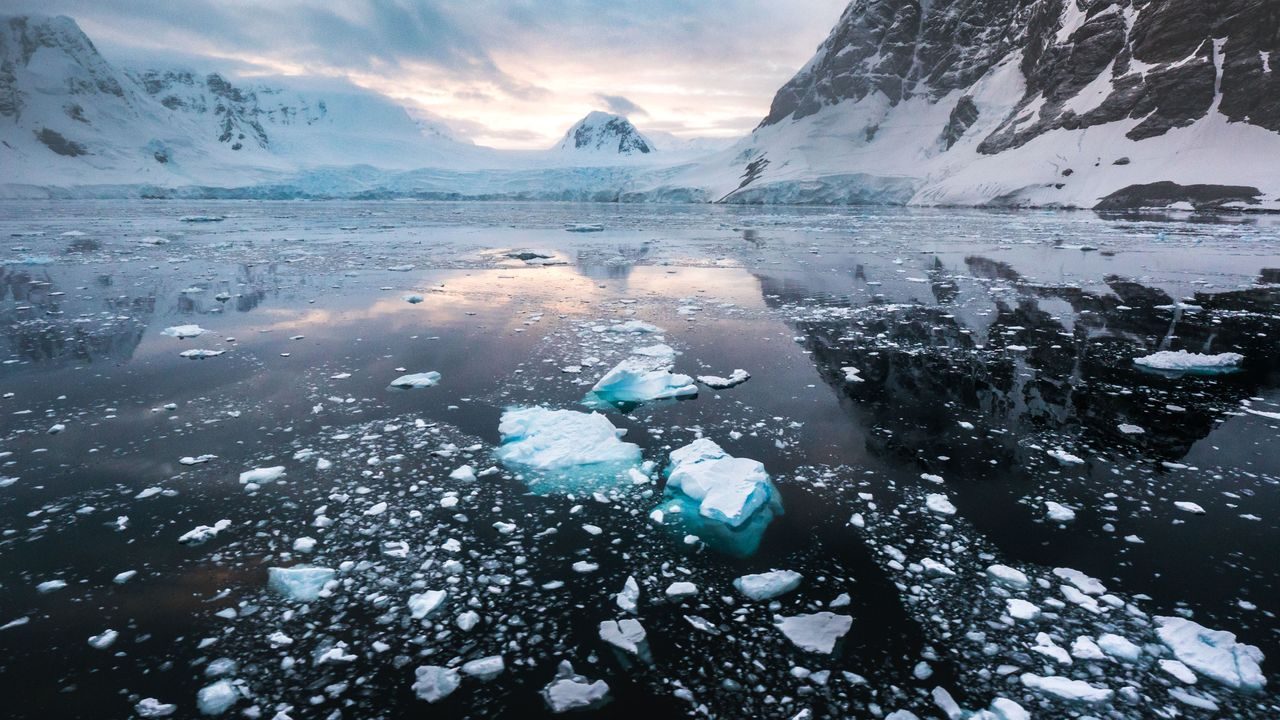
Antarctica could warm 1.4 times faster than the rest of the Southern Hemisphere in the coming decades — and the consequences could be felt far beyond the frozen continent itself. A new modeling study has put a sharper number on a phenomenon scientists have long suspected, and the findings are hard to ignore.
The driver behind this accelerated warming is a process called polar amplification, or more specifically in this case, Antarctic amplification. It describes how polar regions tend to heat up at a disproportionate rate compared to the rest of the planet. The new study suggests this effect could lock in extreme sea-level rise and cause serious damage to polar ecosystems if global temperatures continue climbing.
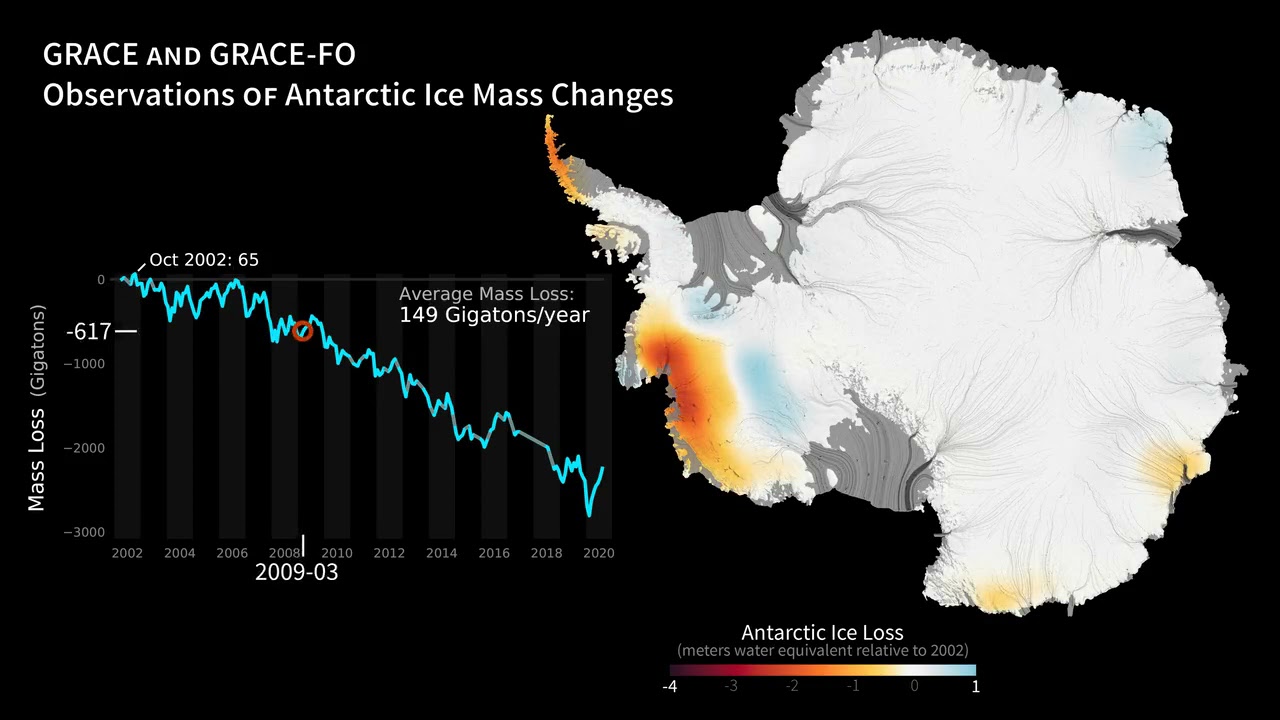
The tipping point identified by the research is significant: this amplified warming would likely kick in if global average temperatures reach 3.6 degrees Fahrenheit (2 degrees Celsius) above pre-industrial levels — the very threshold that international climate agreements have been designed to prevent crossing.
What Antarctic Amplification Actually Means
Polar amplification is not a new concept. Scientists have documented it most clearly in the Arctic, where warming has outpaced the global average by a wide margin for decades. But the Antarctic version of this phenomenon is less well understood, partly because the Southern Ocean and the unique geography of the continent create a more complex climate system.
What the new modeling study adds is a concrete ratio: for every degree the Southern Hemisphere warms on average, Antarctica could warm by a factor of 1.4 times that amount. That might sound like a modest difference, but compounded over decades and applied to an ice sheet that holds enough frozen water to raise global sea levels by tens of meters, the implications are enormous.
The research frames this not as a distant hypothetical but as a plausible near-term outcome — one that depends heavily on whether the world succeeds or fails in curbing greenhouse gas emissions in the years ahead.
Why the 2°C Threshold Matters So Much Here
The 2-degree Celsius mark has been a central target in global climate policy for years, most prominently enshrined in the Paris Agreement. Scientists have consistently warned that exceeding this level of warming would trigger a cascade of dangerous effects around the world.
This new study adds another layer to that warning. It suggests that hitting the 2°C threshold globally would be the point at which Antarctic amplification becomes a dominant feature of the climate system — not just a background trend, but an active, accelerating force.
| Key Finding | Detail |
|---|---|
| Warming ratio | Antarctica could warm 1.4 times faster than the rest of the Southern Hemisphere |
| Trigger point | Amplified warming likely occurs if global temperatures reach 3.6°F (2°C) above pre-industrial levels |
| Mechanism | Polar amplification — a known phenomenon where polar regions heat faster than lower latitudes |
| Projected consequences | Extreme sea-level rise and damage to polar ecosystems |
| Study type | Climate modeling study |
What This Means for Sea Levels and Ecosystems
The stakes here are not abstract. The two consequences highlighted by the study — sea-level rise and ecosystem damage — are deeply interconnected and would affect billions of people well outside Antarctica’s borders.
Antarctica’s ice sheet is one of the largest reservoirs of freshwater on Earth. As it warms faster than surrounding regions, the rate of ice melt accelerates. That meltwater flows into the ocean, contributing to sea-level rise that threatens low-lying coastal cities and communities across the globe. The word researchers use is telling: not just sea-level rise, but extreme sea-level rise.
The polar ecosystem dimension is equally serious, if less immediately visible to most people. Antarctica and the surrounding Southern Ocean support a web of life — from krill and fish to penguins, seals, and whales — that is already under pressure from shifting ocean temperatures and changing sea ice patterns. Accelerated warming would compound those pressures significantly.
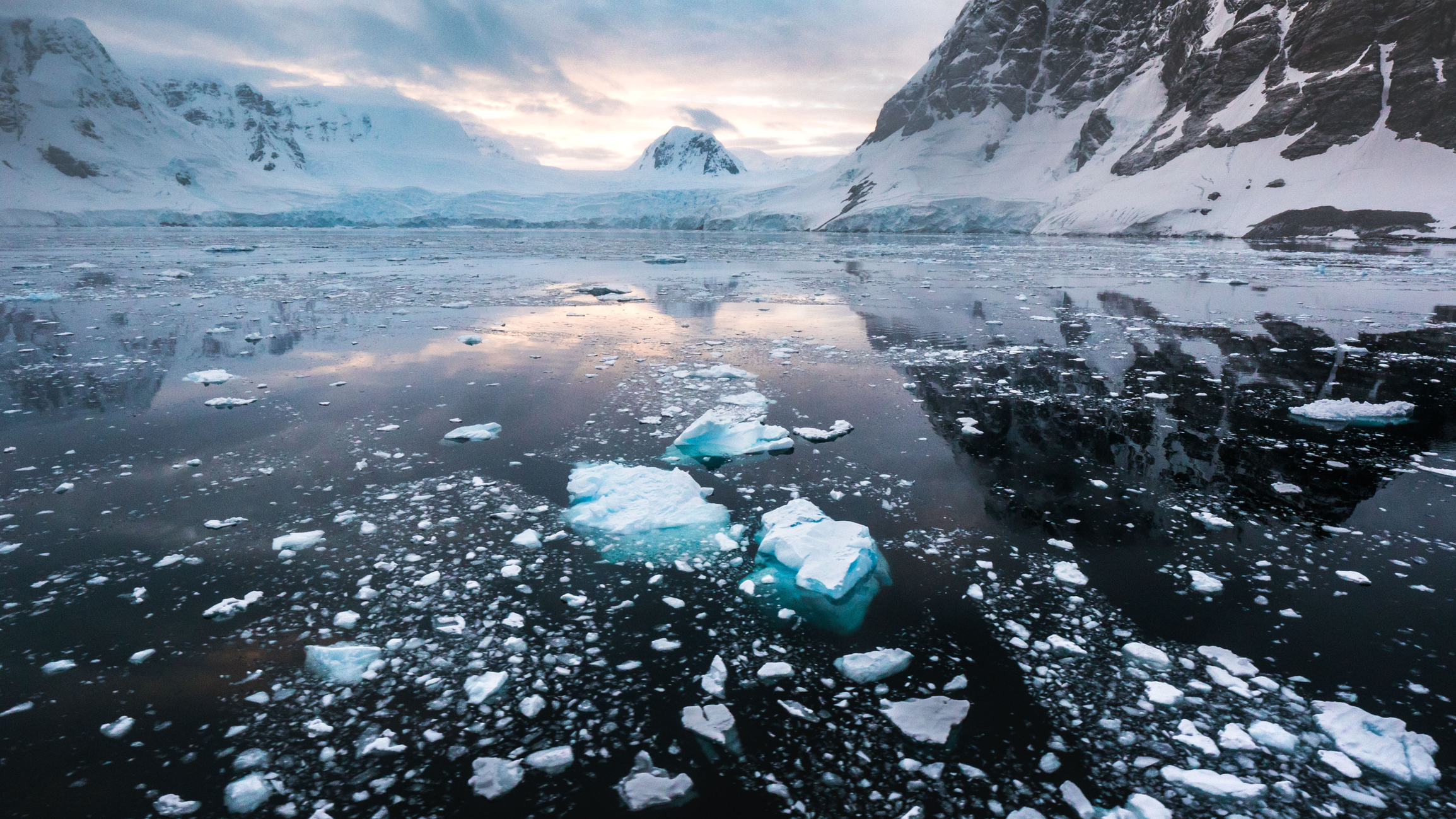
- Faster ice sheet melt contributing to global sea-level rise
- Increased threat to coastal populations worldwide
- Disruption to Southern Ocean food webs
- Accelerated habitat loss for species dependent on sea ice
- Compounding pressure on ecosystems already stressed by climate change
The Part of This Story Most People Are Missing
Much of the public attention on polar warming has focused on the Arctic, where the visual evidence — retreating sea ice, collapsing permafrost, shrinking glaciers — has been dramatic and well-documented. Antarctica has sometimes received less attention, partly because its ice loss has been more variable and harder to track with precision.
But this study is a reminder that Antarctica operates on its own timeline. The Southern Hemisphere’s polar region has its own amplification dynamics, its own feedback loops, and its own thresholds. The 1.4x warming ratio is a product of modeling that tries to capture those dynamics in a more rigorous way than previous estimates.
The research also underscores a broader point that climate scientists have been making for years: the effects of global warming are not evenly distributed. Polar regions bear a disproportionate share of the heat, and what happens at the poles does not stay at the poles.
What Happens From Here
The trajectory described in this study is not inevitable. It is conditional — conditional on whether global temperatures actually reach and exceed the 2°C threshold. That outcome depends on decisions being made right now about energy systems, land use, and international climate commitments.
Modeling studies like this one are designed to sharpen that picture, giving policymakers and the public a clearer sense of what different warming scenarios actually look like on the ground — or in this case, on the ice. The 1.4x figure is a sobering data point in that effort.
Whether it translates into stronger climate action remains an open question. What the science makes clear is that Antarctica is not a passive bystander in the global warming story. It is one of the places where the consequences of inaction will be felt first, and felt hardest.
Frequently Asked Questions
What is Antarctic amplification?
Antarctic amplification is a phenomenon where Antarctica warms at a faster rate than the surrounding Southern Hemisphere, driven by a broader process known as polar amplification.
How much faster could Antarctica warm compared to the rest of the Southern Hemisphere?
According to the new modeling study, Antarctica could warm 1.4 times faster than the rest of the Southern Hemisphere in the coming decades.
At what global temperature does this accelerated warming become likely?
The study suggests Antarctic amplification would likely occur if global average temperatures reach 3.6 degrees Fahrenheit, or 2 degrees Celsius, above pre-industrial levels.
What are the main consequences of faster Antarctic warming?
The study identifies two key consequences: extreme sea-level rise and serious damage to polar ecosystems.
Is this warming already happening, or is it a future projection?
The study is a modeling exercise projecting what could happen in the coming decades; the specific details of timing and certainty have not been fully confirmed by the available source material.
Does this affect people outside Antarctica?
Yes — sea-level rise driven by Antarctic ice melt would affect coastal communities worldwide, making this a global concern rather than a regional one.


Leave a Reply