
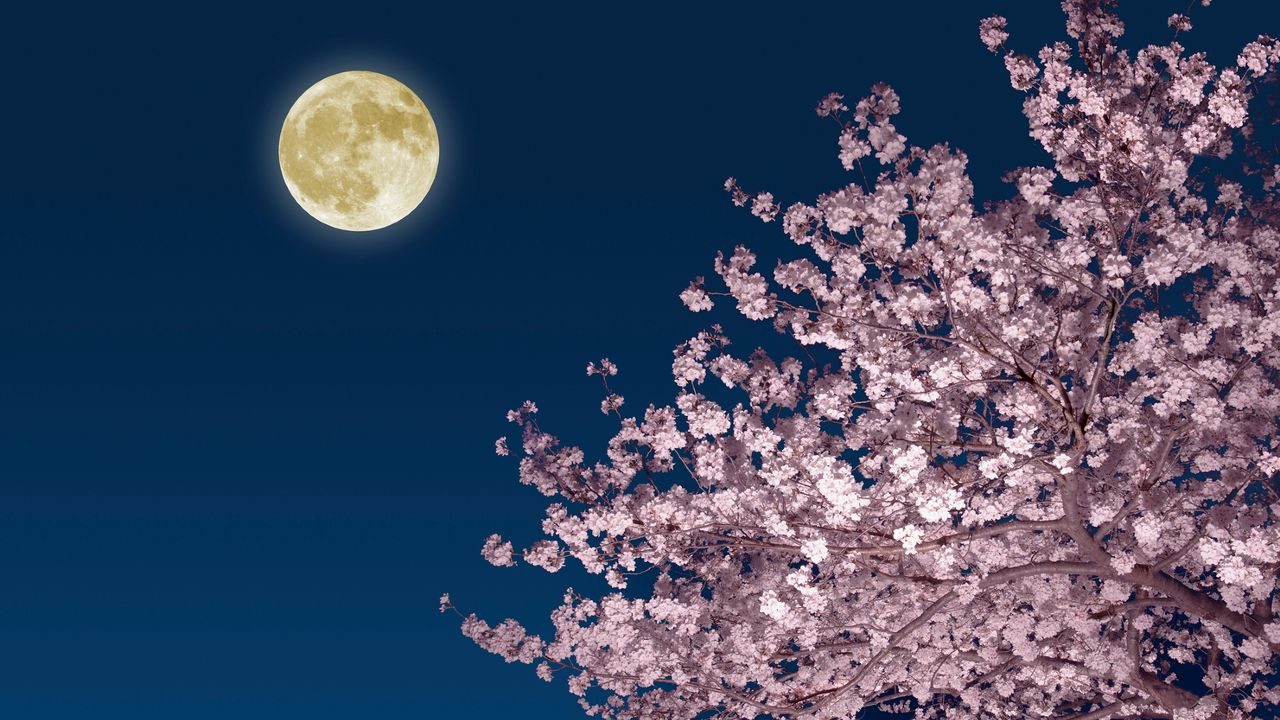
April’s full moon has a name that sounds like it promises a rosy glow across the night sky — but the Pink Moon isn’t actually pink. Not even close. And that’s arguably what makes it more interesting, not less.
The Pink Moon rises on Wednesday, April 1, marking the first full moon of spring in the Northern Hemisphere. If you miss the exact peak, don’t worry — it will appear bright and visually full on the nights immediately surrounding it, specifically Tuesday, March 31 and Thursday, April 2. But only on Wednesday night will skywatchers get a bonus: the moon will appear close to Spica, one of the brightest stars in the night sky, turning a routine moon-gazing session into a genuine double feature.
This is one of the more underrated skywatching moments of the year, and it costs nothing to step outside and look up.
Why It’s Called the Pink Moon — And Why the Name Is Misleading
The name has nothing to do with the moon’s color. The Pink Moon gets its name from a flowering plant — specifically the wild ground phlox, a pink wildflower that blooms across North America in early spring. Indigenous peoples and early colonial farmers used full moon names as a kind of seasonal calendar, tracking the rhythms of nature by what was happening on the ground when each moon appeared overhead.
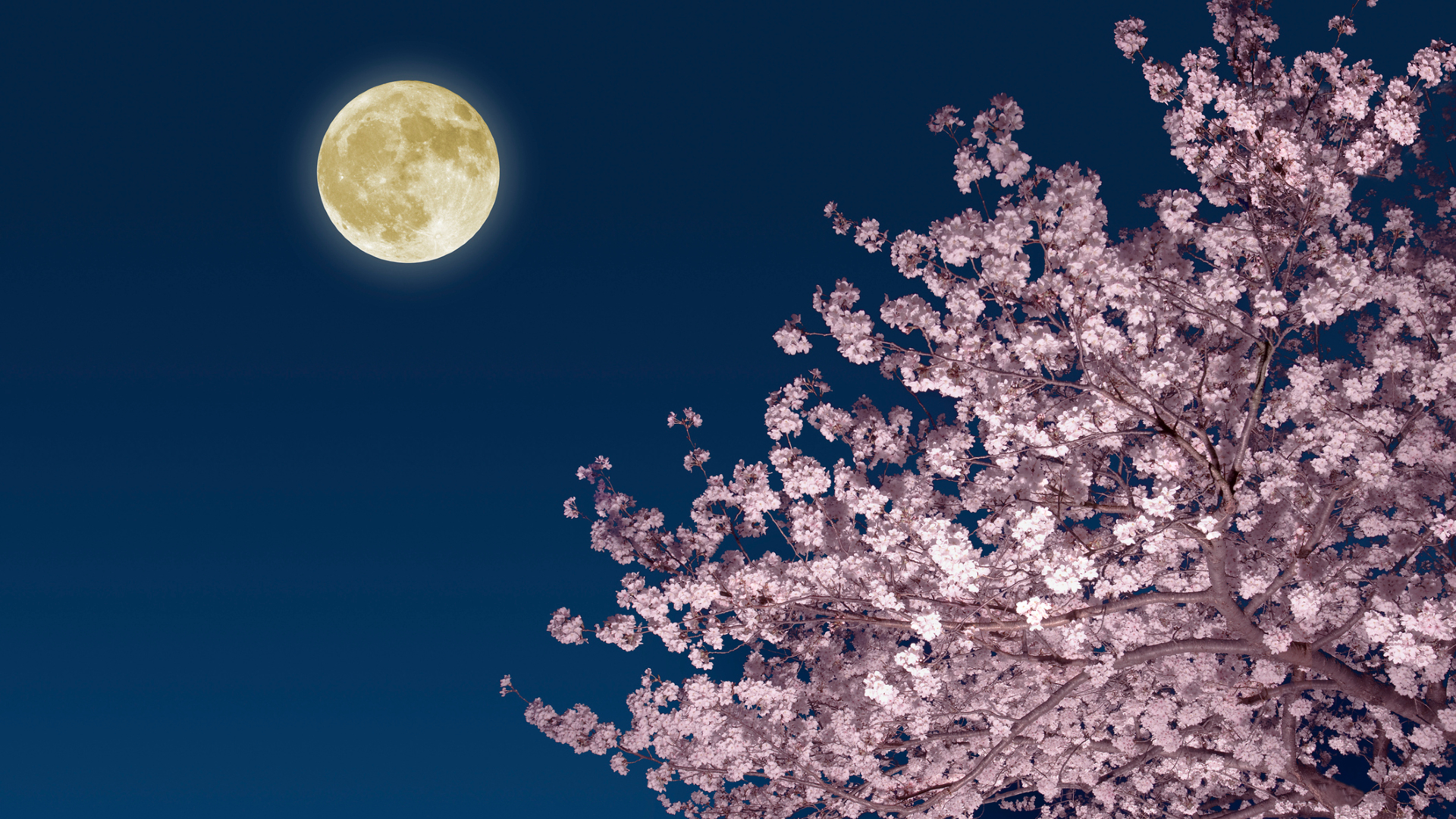
Each month’s full moon carried a name tied to the natural world — harvests, animals, weather patterns, or plants. The Pink Moon was essentially spring’s announcement: the flowers are here, the cold is retreating, the growing season is beginning.
So while the moon itself won’t take on any rosy hue, the name is still poetic in its own way. It’s a reminder that people have been watching and naming these lunar cycles for centuries, long before anyone had a telescope or a weather app.
When and Where to See the April Full Moon
Timing matters if you want the best view. The moon reaches its fullest point on Wednesday, April 1, and that’s also the night it will appear nearest to Spica, the brightest star in the constellation Virgo. Spica is one of the 20 brightest stars visible from Earth, so the pairing with the full moon creates a striking visual contrast in the sky.
Here’s a quick breakdown of the viewing window:
| Date | Moon Status | Special Feature |
|---|---|---|
| Tuesday, March 31 | Appears bright and nearly full | No special alignment |
| Wednesday, April 1 | Peak full moon | Close to bright star Spica |
| Thursday, April 2 | Appears bright and nearly full | No special alignment |
If clouds are a problem on Wednesday, the Tuesday or Thursday viewing windows are solid backups. The moon won’t look dramatically different on those nights to the naked eye.
The Part Most People Don’t Know: A Blue Moon Is Coming in May
The Pink Moon isn’t the only notable lunar event on the near-term calendar. May will bring a Blue Moon — though, like the Pink Moon, the name doesn’t mean what most people assume.
While the full details of the May Blue Moon weren’t included in
Either way, two named full moons in back-to-back months is a good reason to keep looking up.
What Makes This Worth Your Time
Full moons happen every month, but most people rarely make a point of stepping outside to actually watch one. There’s something different about doing it intentionally — finding a spot with a clear horizon, watching the moon crest above the rooftops or treeline, and noticing the way it illuminates everything around it.
The proximity to Spica on April 1 adds a layer that pure moon-gazing doesn’t always offer. Stars and the moon appearing close together in the sky is a reminder that the night sky is dynamic, not static — the positions of the moon relative to background stars shift noticeably from night to night.
You don’t need any equipment. Binoculars will enhance the experience, but the naked eye is more than enough to appreciate both the full moon and the star beside it. The best viewing conditions are simply a clear sky and a location away from heavy light pollution — though even in cities, a full moon near a bright star is visible.
What Comes Next After the Pink Moon
Once April’s Pink Moon passes, attention turns to May’s Blue Moon. Spring 2025 is shaping up as a strong season for lunar observers, with two consecutively named full moons offering regular reasons to pay attention to the night sky.
If you want to track future full moons, lunar calendars are widely available and free. Many weather apps now include moon phase information alongside daily forecasts, making it easier than ever to plan around clear nights.
The next time you’ll have a full moon paired with a notable star close by isn’t something that happens every month — so April 1, cloudy skies permitting, is worth marking on the calendar.
Frequently Asked Questions
When exactly is the Pink Moon in 2025?
The Pink Moon reaches its fullest point on Wednesday, April 1, 2025, though it will also appear bright and full on March 31 and April 2.
Will the Pink Moon actually look pink?
No. The Pink Moon gets its name from wild ground phlox, a pink wildflower that blooms in early spring — not from any color the moon itself displays.
What is special about the April 1 full moon compared to the nights around it?
Only on April 1 will the full moon appear close to Spica, one of the night sky’s brightest stars, making it a uniquely rewarding night for skywatching.
What is a Blue Moon and when is it coming?
A Blue Moon is arriving in May 2025, following the April Pink Moon. The term typically refers to either a second full moon in a calendar month or the third full moon in a season containing four.
Do you need a telescope to see the Pink Moon?
No equipment is required — the full moon and nearby star Spica are both visible to the naked eye under clear skies.
Why do full moons have names like Pink Moon and Blue Moon?
These names originate from Indigenous and early colonial traditions of using full moons as seasonal markers, with each month’s moon named for something happening in the natural world at that time of year.



Leave a Reply