
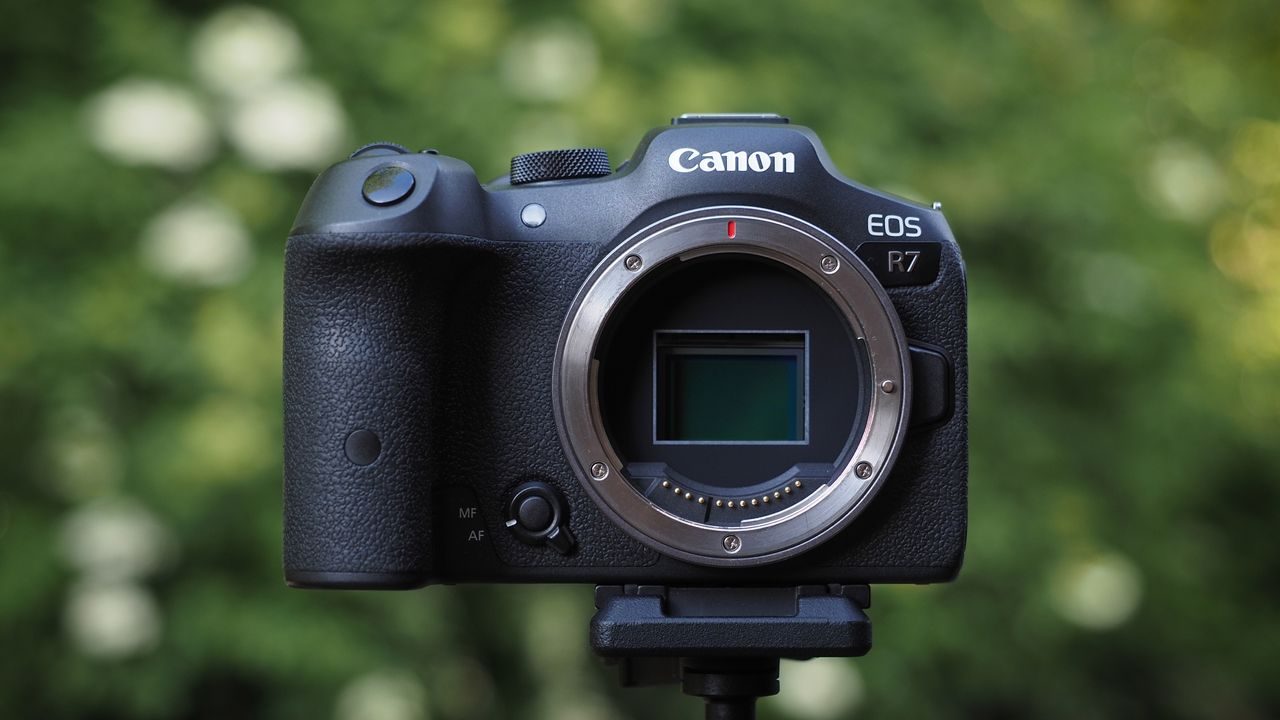
Full-frame cameras get most of the attention when astrophotography comes up, but there’s a strong case to be made for something smaller. APS-C and Micro Four Thirds (MFT) cameras have quietly become serious tools for capturing the night sky — and for many photographers, they’re actually the smarter choice.
The smaller sensor size isn’t just a compromise. It translates directly into lighter gear, more portable setups, and in many cases, lower cost. When you’re hauling equipment to a dark sky site at midnight, that difference matters more than most spec sheets suggest.
Whether you’re just starting out or looking to build a capable astrophotography rig without full-frame prices, the APS-C and MFT market offers more genuine options than ever before.
Why Smaller Sensors Deserve More Credit in Astrophotography
The conventional wisdom has long been that bigger sensors capture more light, which means better performance in the dark. That’s not wrong — but it’s only part of the picture.
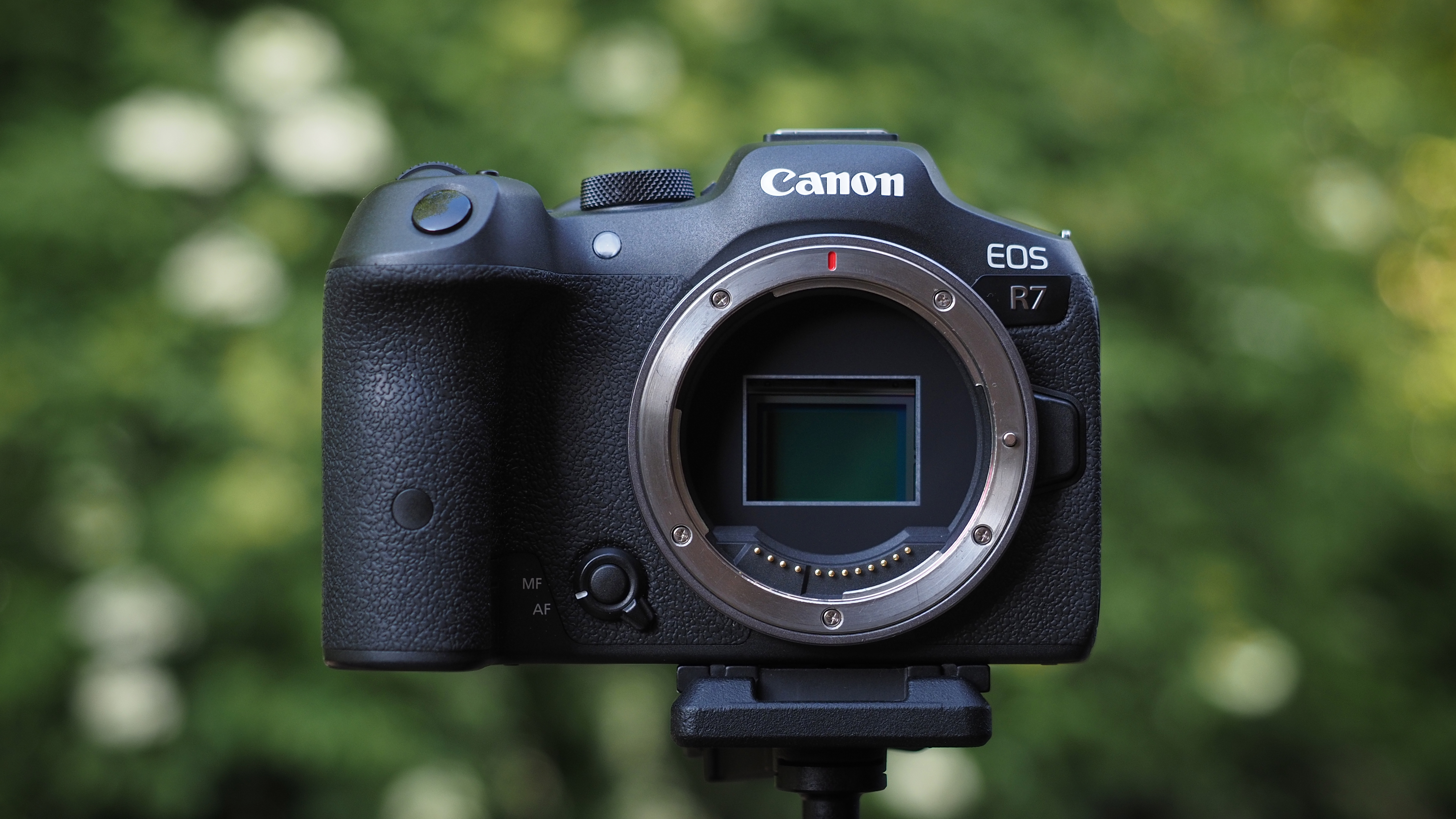
APS-C and Micro Four Thirds cameras have made enormous strides in sensor technology, noise reduction, and low-light performance over the past several years. Many current models produce images that would have required full-frame hardware just a generation ago.
There’s also the practical dimension. A lighter camera means a lighter overall kit. For astrophotographers who hike to remote locations or travel frequently, the weight savings from an APS-C or MFT body — combined with smaller, lighter lenses — can be substantial. As noted by reviewers at Live Science, the smaller sensor sizes make these cameras lighter to carry when out and about, which is a real advantage in the field.
The crop factor also has a specific benefit for certain types of astrophotography. Planetary and lunar work, where you want maximum reach rather than maximum field of view, can actually benefit from the narrower angle of view that a smaller sensor provides when paired with a telescope.
What to Look for in an APS-C or MFT Camera for the Night Sky
Not every camera in these formats performs equally well after dark. A few key factors separate the strong performers from the frustrating ones.
- High ISO performance: Astrophotography often demands ISO values of 1600, 3200, or higher. How cleanly a sensor handles that amplification determines whether your stars look crisp or buried in noise.
- RAW file quality: Shooting in RAW gives you far more flexibility in post-processing. The quality and bit depth of the RAW output matters as much as the JPEG preview.
- Battery life: Long exposures and cold nights drain batteries fast. A camera with strong battery life — or at least good USB charging support — is a practical necessity for extended sessions.
- Dedicated astro features: Some cameras include built-in star tracking modes, interval timers for time-lapses, or sensor modifications that allow them to capture hydrogen-alpha wavelengths invisible to standard sensors.
- Weather sealing: Shooting outdoors at night means dew, humidity, and sometimes frost. Weather sealing protects your investment in unpredictable conditions.
- Lens ecosystem: The availability of fast, wide lenses for your mount matters enormously. A camera with a rich lens ecosystem gives you more options for capturing wide Milky Way shots.
The Range of Use Cases These Cameras Cover
One of the reasons APS-C and MFT cameras attract such a broad audience for night sky work is that different models genuinely excel in different scenarios. There isn’t one single best camera — there’s a best camera for your specific goals.
| Use Case | What Matters Most | Sensor Format |
|---|---|---|
| Deep-sky imaging | Low noise at high ISO, RAW quality, dedicated astro features | APS-C or MFT |
| Wide-field Milky Way | Fast lens compatibility, high ISO performance, weather sealing | APS-C |
| Handheld low-light work | In-body stabilization, fast autofocus, portability | MFT or APS-C |
| Astrophotography video | Video quality, oversampling, heat management | APS-C or MFT |
| Entry-level / budget | Value, ease of use, upgrade path | APS-C |
| Long sessions / remote sites | Battery life, weather sealing, weight | APS-C or MFT |
Deep-sky photographers prioritizing faint nebulae and galaxies will have different priorities than someone who wants to shoot handheld under the Milky Way on a backpacking trip. Budget buyers entering the hobby for the first time need a different set of trade-offs than enthusiasts ready to invest in a specialized setup.
The Honest Trade-Offs Worth Knowing Before You Buy
APS-C and MFT cameras genuinely punch above their weight — that phrase gets used a lot, but in this context it’s accurate. Still, it’s worth being clear-eyed about what you’re accepting when you choose a smaller sensor format for serious astrophotography.
Full-frame sensors do capture more light per unit area in equivalent conditions. For extremely faint deep-sky objects where every photon counts, that physical advantage is real. Long-exposure stacking can close much of the gap in practice, but it requires more frames and more processing time.
The Micro Four Thirds format, with its smaller sensor, faces a steeper challenge in the darkest corners of deep-sky work compared to APS-C. But for wide-field imaging, planetary work, and general night sky photography, the difference is often negligible to the naked eye.
For most photographers — especially those newer to astrophotography or working within a realistic budget — the practical advantages of lighter weight, lower cost, and a mature lens ecosystem make APS-C and MFT systems the more sensible starting point than jumping straight to full-frame.
Getting Started: What the Right Camera Actually Changes
The best astrophotography camera is ultimately the one you’ll actually take outside. Gear that sits at home because it’s too heavy, too expensive to risk, or too complicated to operate quickly doesn’t produce images.
APS-C and MFT systems lower the barrier to entry in every practical sense. They’re easier to carry, easier to afford, and in many cases easier to operate for beginners still learning the fundamentals of exposure, tracking, and post-processing.
As your skills develop, the limiting factor in your images will shift from the camera to your technique, your location, and your processing workflow long before it becomes the sensor format itself.
Frequently Asked Questions
Are APS-C cameras good enough for serious astrophotography?
Yes. APS-C cameras are widely used for serious astrophotography work, including deep-sky imaging, Milky Way photography, and time-lapse. Their smaller sensor size is offset by lighter weight, lower cost, and strong high-ISO performance in modern models.
Is Micro Four Thirds better or worse than APS-C for night sky shooting?
APS-C sensors are generally larger and capture more light, which can be an advantage in the darkest conditions. However, Micro Four Thirds cameras are even more compact and lightweight, making them appealing for travel and handheld low-light work.
What features should I prioritize in an astrophotography camera?
High ISO performance, RAW file quality, battery life, weather sealing, and compatibility with fast wide-angle lenses are among the most important factors to consider for night sky photography.
Do I need a full-frame camera to photograph the Milky Way?
No. Many APS-C cameras produce excellent Milky Way images, and the smaller sensor format is a practical advantage for photographers who travel to dark sky locations on foot.
What is a dedicated astro camera feature?
Some cameras include specialized features such as built-in star tracking modes, hydrogen-alpha sensitivity modifications, or extended interval timer functions designed specifically for astrophotography use cases.
Is it worth buying a used camera for astrophotography on a budget?
A used APS-C camera can be an excellent entry point for astrophotography, offering strong performance at a fraction of the new price. Checking sensor condition and shutter count is advisable before purchasing secondhand.


Leave a Reply