
For the first time in more than half a century, NASA is preparing to send human beings to the vicinity of the moon — and the mission that makes it happen is closer than most people realize. Artemis II marks the first crewed spaceflight in NASA’s Artemis Program, a long-term effort to return humans to lunar space for the first time since 1972. That’s over 50 years since anyone has traveled that far from Earth.
This isn’t a symbolic flyby or a proof-of-concept test run. Artemis II is a genuine deep-space human mission, carrying four astronauts on a 10-day journey around the moon and back. And when it launches, it will push the boundary of human spaceflight farther than any mission before it.
If you’ve been following the Artemis program through its delays and overhauls, here’s where things actually stand — and why the next few years could reshape what’s possible for human exploration of the solar system.
What Artemis II Actually Is — and Why It Matters
Artemis II is the crewed centerpiece of NASA’s broader Artemis Program, which was built with one overarching goal: return humans to the moon. The program takes its name from Artemis, the twin sister of Apollo in Greek mythology — a deliberate nod to NASA’s intention to include the first woman and the first person of color in lunar missions.
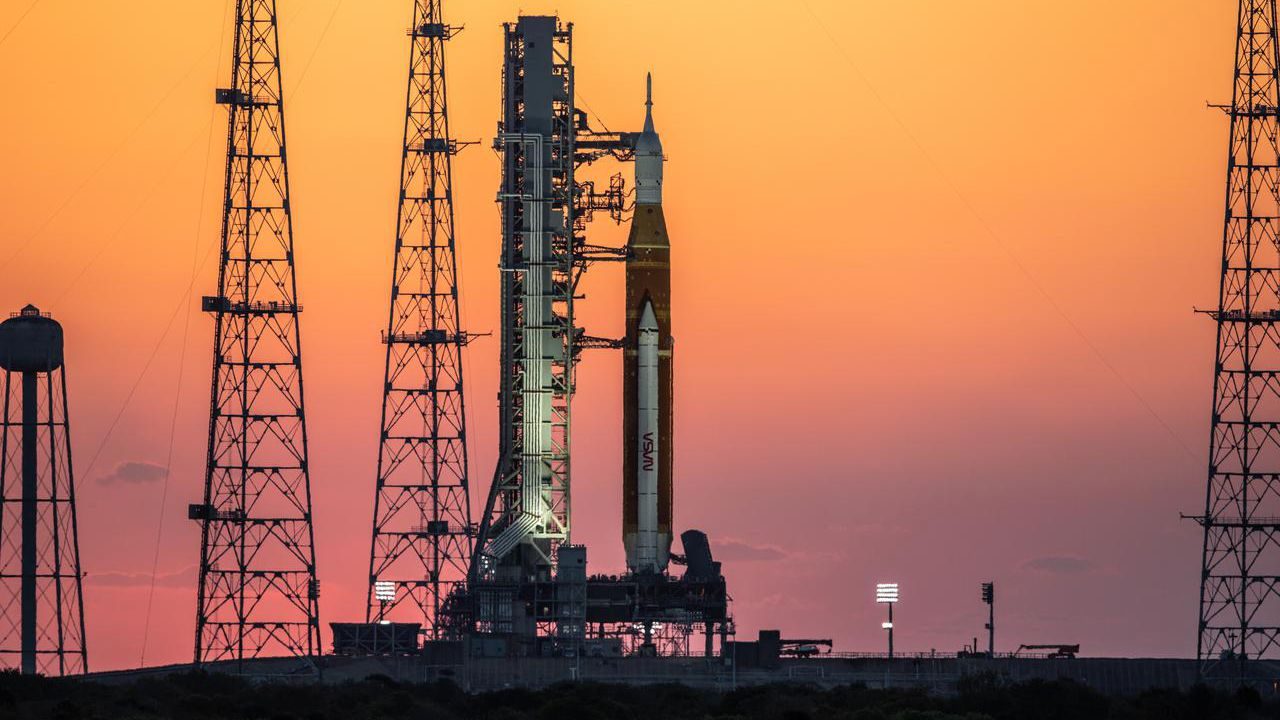
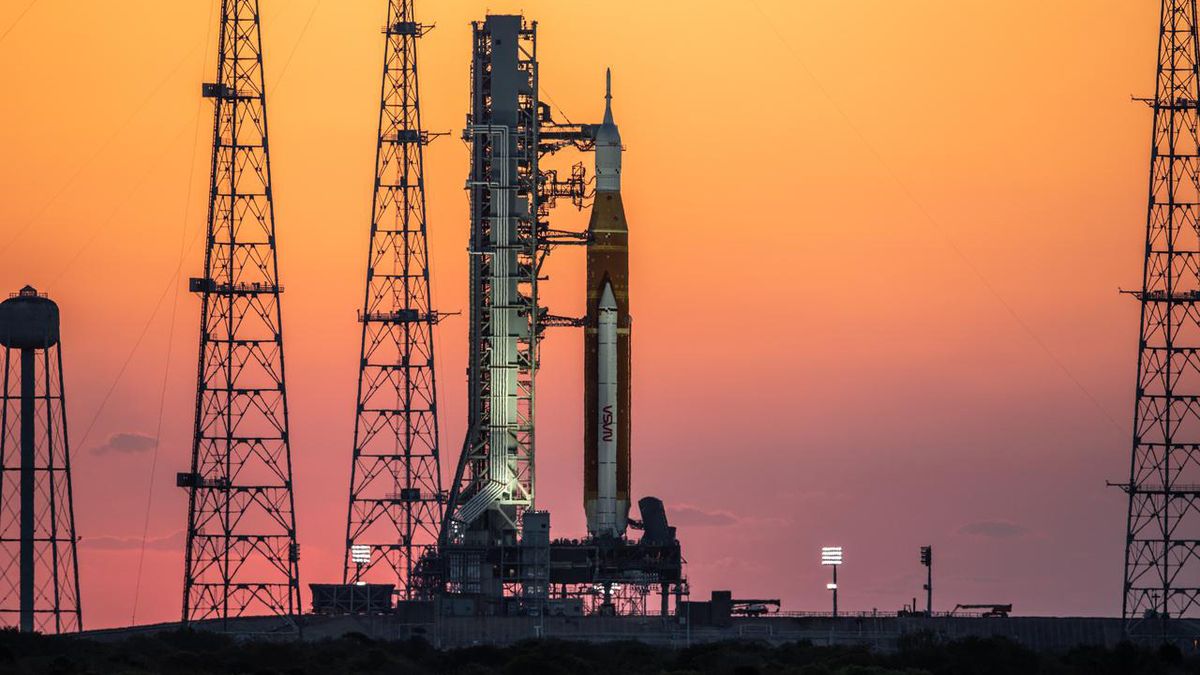
The mission will launch aboard NASA’s Space Launch System (SLS), a rocket standing 322 feet tall — roughly the height of a 32-story building. Mounted on top is the Orion crew capsule, which will carry the four-person crew on their journey into deep space.
Unlike a moon landing, Artemis II is designed as a crewed test flight. The crew will travel around the moon and return to Earth over the course of 10 days, allowing NASA engineers and scientists to verify critical systems and gather real data on how human biology responds to deep-space travel. The mission will send humans farther into space than any crewed mission in history.
That last point is worth sitting with. No human being has traveled as far from Earth as the Artemis II crew will. The Apollo missions reached the moon, but Artemis II’s trajectory is designed to push even beyond that distance — setting a record that has stood, in one form or another, since 1972.
Key Mission Facts at a Glance
- Artemis II is the first crewed mission in the Artemis program
- The crew consists of four astronauts
- The flight duration is 10 days, including a loop around the moon and return to Earth
- The mission launches on NASA’s Space Launch System (SLS), which stands 322 feet (98 meters) tall
- Astronauts will travel inside the Orion crew capsule
- The mission will set a record for the farthest distance humans have ever traveled in space
- Key objectives include testing spacecraft systems and studying the effects of spaceflight on human biology
| Mission Detail | Specification |
|---|---|
| Mission Name | Artemis II |
| Mission Type | First crewed Artemis spaceflight |
| Crew Size | 4 astronauts |
| Launch Vehicle | Space Launch System (SLS) |
| Rocket Height | 322 feet (98 meters) |
| Crew Capsule | Orion |
| Mission Duration | 10 days |
| Destination | Lunar flyby and return to Earth |
| Last crewed lunar mission before this | 1972 (Apollo program) |
What the Crew Will Actually Be Doing Up There
A 10-day trip around the moon might sound like a sightseeing tour, but the science and engineering goals packed into this mission are serious. The crew won’t just be along for the ride — they’ll be active participants in testing systems that future missions will depend on.
NASA has two broad categories of objectives for Artemis II. First, the mission will put key spacecraft systems through their paces in the real environment of deep space — conditions that ground simulations can only approximate. Second, the crew will be studied as human subjects, providing data on how the body responds to extended time beyond low Earth orbit.
That second goal matters more than it might seem. Most of what scientists know about long-duration spaceflight biology comes from time spent on the International Space Station, which sits in low Earth orbit and still benefits from partial protection by Earth’s magnetic field. Deep space is a different environment entirely, with higher radiation exposure and different physiological stresses. Artemis II will begin building the data set that informs how NASA keeps future crews — including those who will actually land on the moon — safe.
The Bigger Picture: Where Artemis Goes From Here
Artemis II doesn’t exist in isolation. Following a major overhaul of the Artemis program in late February, NASA has outlined an accelerated schedule designed to build toward actual lunar landings within a few years.
The current plan calls for missions at roughly annual intervals:
- Artemis III (2027): An Earth-orbit test of a lunar lander docking — no moon landing yet, but a critical rehearsal for the hardware that will eventually take crew to the surface
- Artemis IV (2028): A crewed lunar landing attempt
- Artemis V (2028): A second crewed lunar landing attempt
The shift to an annual tempo represents a significant change in ambition. Earlier versions of the Artemis timeline were more stretched out, and the program has faced well-documented delays. The revised schedule signals that NASA is pushing hard to make crewed lunar landings a reality before the end of the decade.
Whether that timeline holds will depend heavily on the success of Artemis II — which is exactly why this mission carries so much weight. It’s not just a flight around the moon. It’s the proof of concept that everything else depends on.
Frequently Asked Questions
What is Artemis II?
Artemis II is the first crewed mission in NASA’s Artemis Program, sending four astronauts on a 10-day journey around the moon and back to Earth.
How tall is the Space Launch System rocket that will carry the crew?
The Space Launch System (SLS) stands 322 feet tall, or approximately 98 meters.
Will the Artemis II crew land on the moon?
No. Artemis II is a crewed flyby and systems test, not a lunar landing. The mission is designed to loop around the moon and return safely to Earth.
When was the last time humans traveled to the moon before Artemis II?
The last crewed lunar mission before the Artemis program was in 1972, during the Apollo era — more than 50 years ago.
What comes after Artemis II?
According to NASA’s current schedule, Artemis III — an Earth-orbit lunar lander docking test — is planned for 2027, followed by two crewed lunar landing attempts, Artemis IV and Artemis V, in 2028.
Why does Artemis II set a distance record?
The mission’s trajectory is designed to send humans farther from Earth than any crewed spaceflight in history, surpassing even the distances reached during the Apollo moon landings.



Leave a Reply