
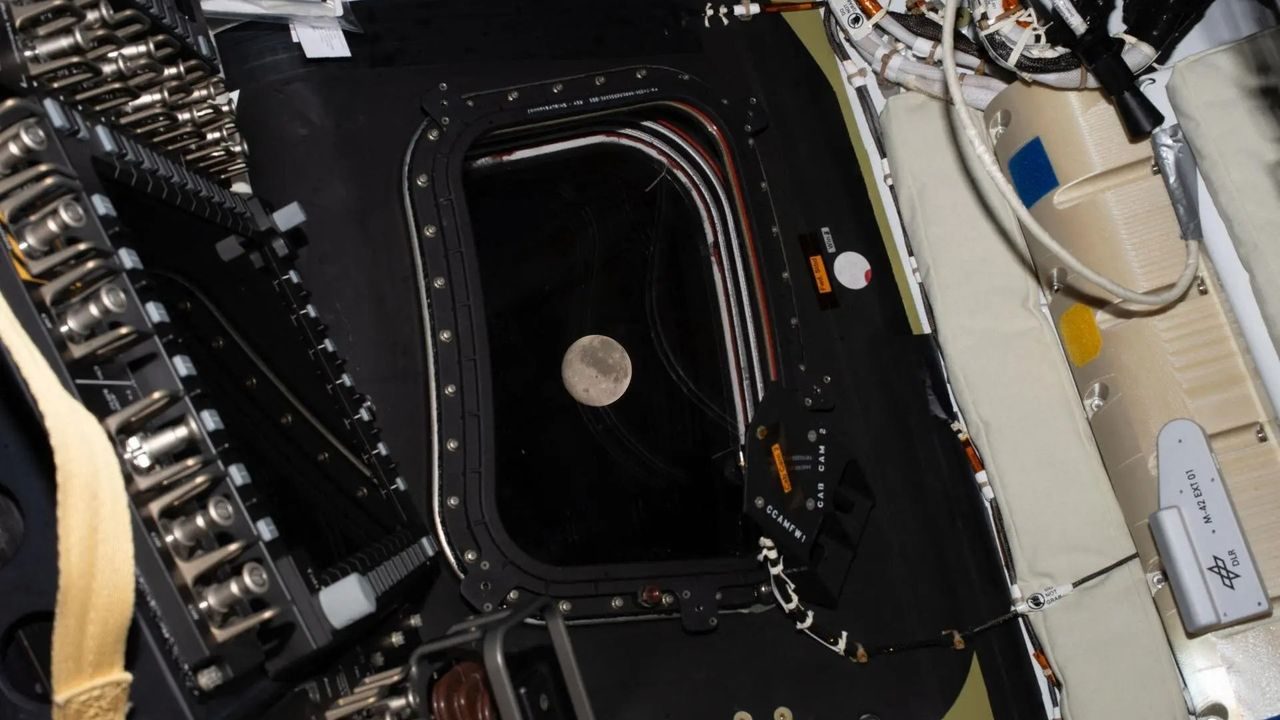
At 1:57 p.m. EDT on April 6, humanity crossed a threshold it had not reached in more than half a century — and then surpassed it entirely. The Artemis II mission broke the all-time record for the farthest distance any human being has ever traveled from Earth, a record that had stood since 1970.
The moment came as NASA’s Orion capsule, named “Integrity,” began its loop around the far side of the moon. In doing so, it carried its crew past the 248,655-mile mark — the record set by the crew of Apollo 13 over 55 years ago — and kept going.
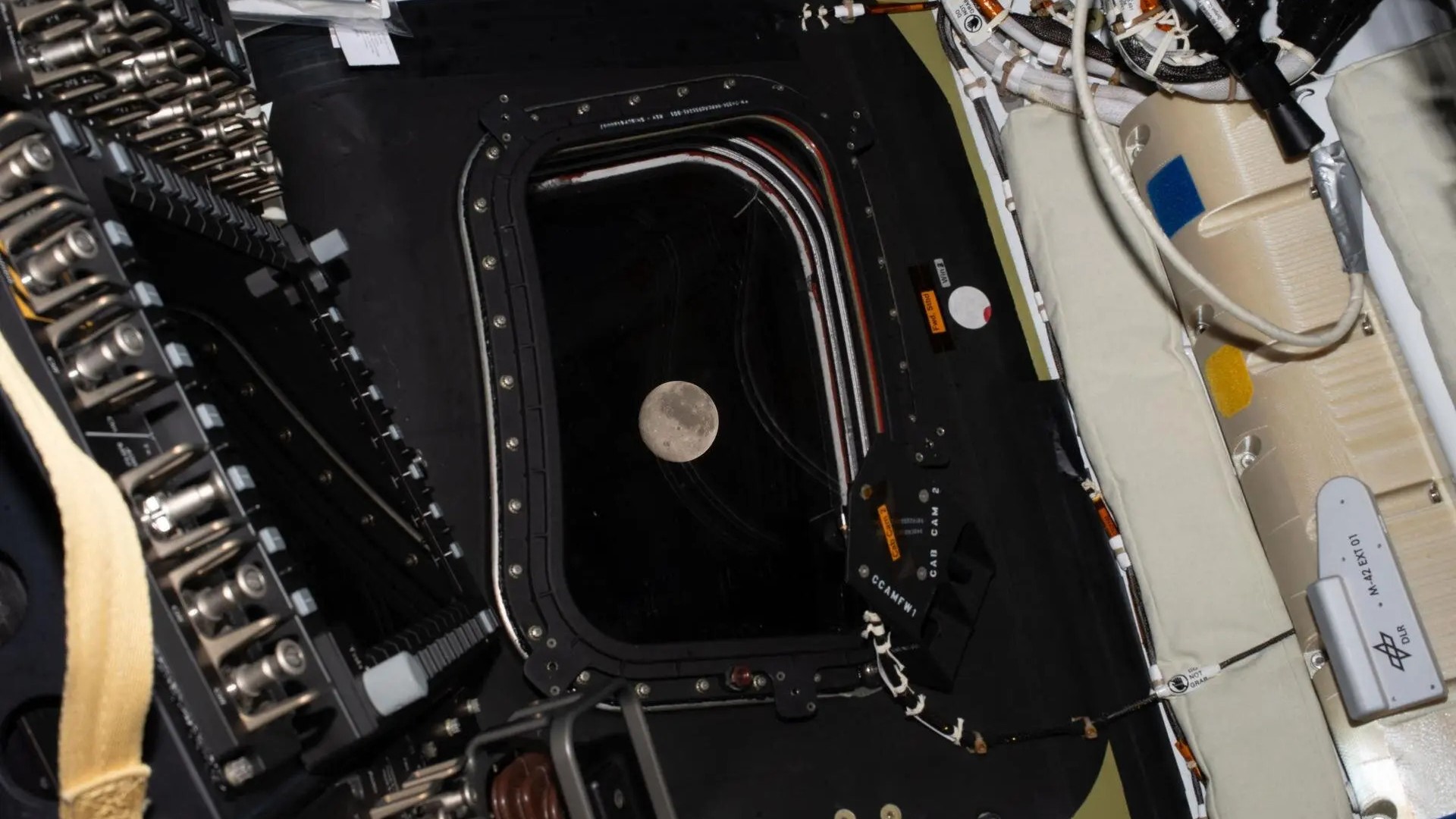
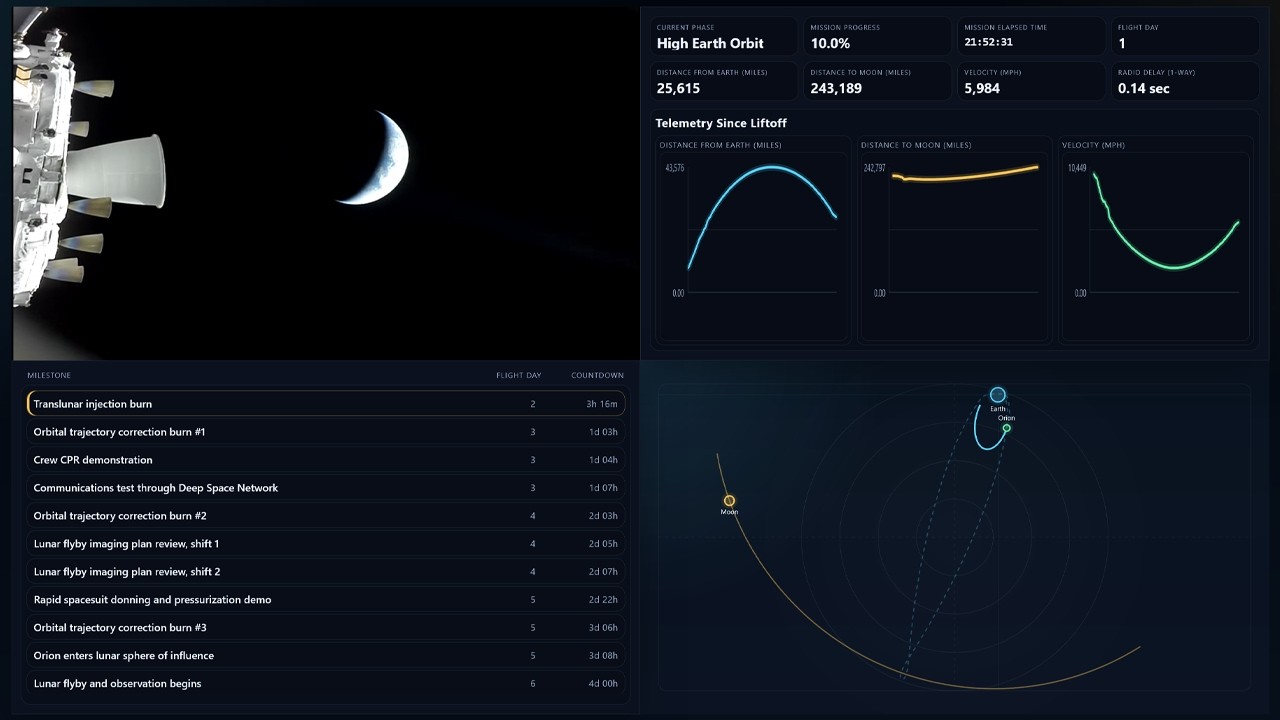
This is not a footnote in a mission report. This is the farthest from home any human has ever been. And the crew of Artemis II is still out there.
The Record That Stood for 55 Years — and Just Fell
Apollo 13 is best remembered for the crisis that nearly killed its crew in April 1970. What is less often remembered is that the emergency trajectory used to bring the astronauts home safely swung the spacecraft around the far side of the moon, pushing them to a distance of 248,655 miles (400,171 kilometers) from Earth. That became the unintentional record for the farthest human spaceflight from our planet.
No mission in the decades since — not the Space Shuttle, not the International Space Station, not any crewed mission of any kind — came close to matching it. The ISS orbits at roughly 250 miles above Earth’s surface. The gap between low Earth orbit and the moon is enormous, and no program filled it until now.
Artemis II changed that on April 6, 2025. The Orion capsule passed that historic distance marker and continued outward, with NASA confirming the mission will reach a maximum distance of 252,760 miles (406,777 kilometers) from Earth during its six-hour lunar flyby.
What Artemis II Is Actually Doing Out There
The Orion capsule “Integrity” is performing what NASA describes as a loop around the far side of the moon. This is a critical phase of the mission — a free-return trajectory that takes the crew around the lunar far side before using the moon’s gravity to sling them back toward Earth.
This type of path is not entirely new in concept. Apollo 13 used a similar emergency return route. But Artemis II is executing it deliberately, as a planned mission profile designed to test the Orion capsule’s systems, communications, and life support under real deep-space conditions with a crew on board.
The six-hour lunar flyby is one of the most demanding segments of the entire mission. The crew passes behind the moon, losing direct contact with Earth, before re-emerging and beginning the journey home. Every system on the spacecraft has to perform without the ability to quickly intervene from the ground.
The Numbers Behind the Record
| Mission | Year | Maximum Distance from Earth |
|---|---|---|
| Apollo 13 | 1970 | 248,655 miles (400,171 km) |
| Artemis II (Orion “Integrity”) | 2025 | 252,760 miles (406,777 km) |
The difference between the two records — roughly 4,105 miles (6,606 kilometers) — may sound modest on a cosmic scale, but the significance is not about the margin. It is about the fact that humans are venturing this far from Earth again at all, for the first time in over five decades, and doing so with the explicit goal of going even farther in missions to come.
Why This Moment Matters Beyond the Milestone
Records in spaceflight are not just numbers. They mark what is possible. For 55 years, the Apollo 13 distance stood as a kind of accidental ceiling — a reminder of how far humans had reached and how long it had been since anyone reached that far again.
Artemis II is part of NASA’s broader Artemis program, which aims to return humans to the lunar surface for the first time since Apollo 17 in 1972. This mission is not a landing — it is a crewed test flight, a critical step to verify that the Orion capsule and its systems can keep humans alive and functional in deep space before committing to a surface landing mission.
Breaking the distance record is a direct result of that goal. To get back to the moon, you have to go farther than low Earth orbit. Artemis II is proving, in real time with real people on board, that the hardware can handle it.
For the broader public, the moment carries a different kind of weight. Many people alive today have never witnessed a human spaceflight milestone of this scale. The Apollo era ended before they were born, or when they were very young. Artemis II is the first time in living memory for a large portion of the global population that astronauts have traveled anywhere close to this far from home.
What Comes Next for the Artemis Program
Artemis II is a test mission, not the finale. The data and experience gathered from this flight — including how the crew and capsule perform during the lunar flyby and the record-breaking deep-space transit — will directly inform the planning for future Artemis missions aimed at actually landing on the moon.
After completing its loop around the far side of the moon and reaching its maximum distance of 252,760 miles from Earth, the Orion capsule “Integrity” will use lunar gravity to begin its return journey. The mission will then conclude with a splashdown and recovery, completing what NASA has described as a critical milestone in humanity’s return to deep space exploration.
The record set on April 6, 2025, may not stand forever. If future Artemis missions proceed as planned, the next crew to break it could be the one that actually lands on the lunar surface.
Frequently Asked Questions
When did Artemis II break the human spaceflight distance record?
The record was broken on April 6, 2025, at 1:57 p.m. EDT, as the Orion capsule began its loop around the far side of the moon.
What was the previous record and who held it?
The previous record of 248,655 miles (400,171 kilometers) was set by the crew of Apollo 13 in 1970, during their emergency return trajectory around the moon.
How far will Artemis II travel at its maximum distance?
NASA confirmed the mission will reach a maximum distance of 252,760 miles (406,777 kilometers) from Earth during the six-hour lunar flyby.
What is the name of the Orion capsule on this mission?
The Orion capsule carrying the Artemis II crew is named “Integrity.”
Is Artemis II landing on the moon?
No. Artemis II is a crewed test flight designed to verify the Orion capsule’s systems in deep space, not a lunar landing mission.
How long does the lunar flyby phase of the mission last?
According to NASA, the lunar flyby portion of the Artemis II mission lasts approximately six hours.



Leave a Reply