

Four astronauts are currently farther from Earth than any humans in recorded history — and on Monday, April 6, the world had a chance to watch them fly past the moon in real time.
NASA’s Artemis II mission reached a major milestone when its crew officially entered the lunar system and began a six-hour flyby of the moon, starting at 2:45 p.m. EDT on Monday, April 6. It marked one of the most significant moments in human spaceflight since the Apollo era, and for space enthusiasts and casual observers alike, it was the kind of event worth stopping for.

Whether you tuned in live or are catching up now, here is everything confirmed about what happened, what the crew experienced, and why this mission matters so much to the future of human exploration.
What the Artemis II Moon Flyby Actually Is
Artemis II is not a moon landing — but that does not make it any less extraordinary. The mission is designed as a crewed test flight, sending four astronauts around the moon and back to prove that NASA’s Orion spacecraft and Space Launch System can safely carry humans on a deep-space journey before the agency attempts an actual lunar landing with Artemis III.
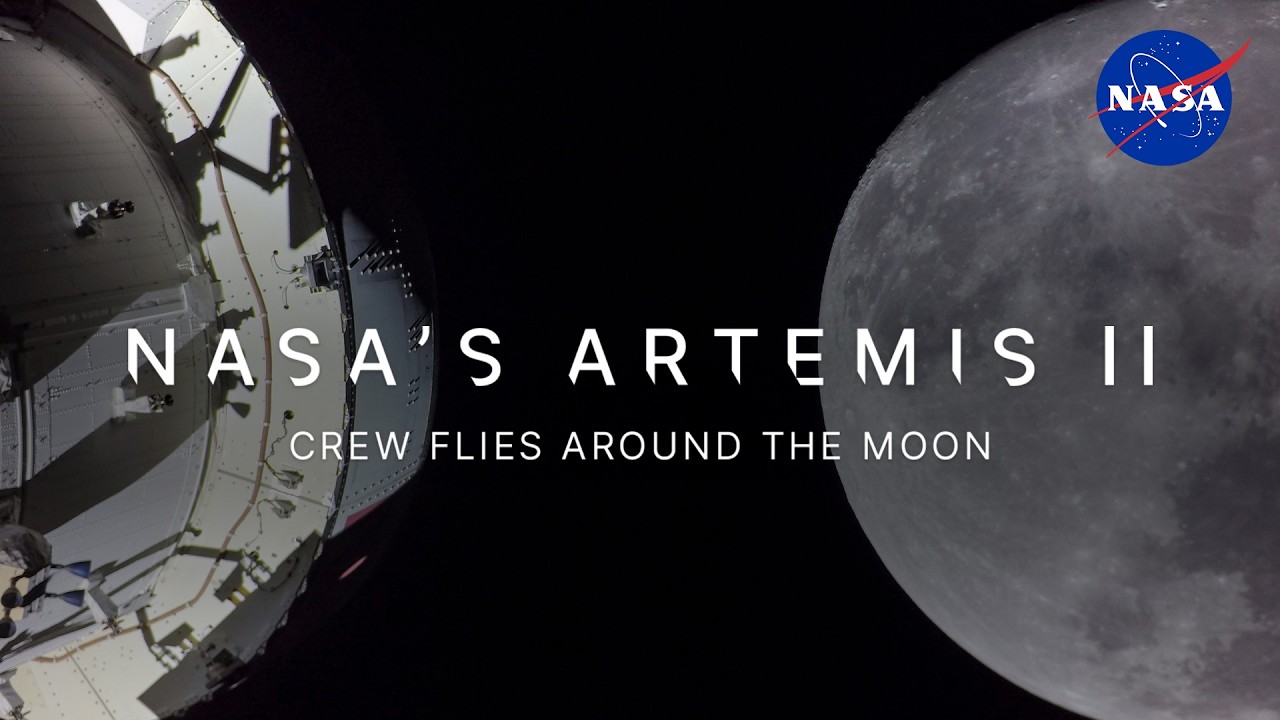
The flyby itself is the centerpiece of the mission’s outbound leg. During the six-hour window, the crew passed close enough to the moon to see the entire lunar disk directly through their cabin windows — an experience shared by only a small number of humans in all of history. The proximity also gave the crew a rare opportunity to conduct up-close scientific observations of the lunar surface.
What makes this mission especially historic is the distance involved. The Artemis II crew traveled farther from Earth than any humans have ever flown, surpassing records set during the Apollo program more than half a century ago. That alone places this mission in a category of its own.
Key Facts About the Artemis II Lunar Flyby
| Detail | Confirmed Information |
|---|---|
| Flyby start time | 2:45 p.m. EDT, Monday, April 6 |
| Duration of flyby | Approximately six hours |
| Distance record | Farther from Earth than any humans in history |
| Crew size | Four astronauts |
| Spacecraft | NASA’s Orion capsule (Artemis II mission) |
| Scientific activity | Up-close lunar observations during flyby window |
- The crew could see the full lunar disk from their cabin window during the flyby
- The mission represents the first crewed deep-space flight of the Orion spacecraft
- Artemis II is a precursor to Artemis III, which aims to land humans on the moon
- The flyby offered the crew a direct scientific observation opportunity not available from Earth orbit
Why This Moment Matters Beyond the Headlines
It is easy to read “moon flyby” and think of it as a routine milestone on a checklist. It is anything but. The last time human beings traveled this far from Earth, it was the early 1970s. Entire generations have grown up never witnessing a crewed mission leave low Earth orbit. Artemis II changes that.
The mission is also deeply practical. NASA needs to confirm that Orion can protect its crew across the radiation environment of deep space, that life support systems perform as expected, and that the spacecraft can navigate the precise trajectories required for a future landing mission. Every hour of this flyby generates data that shapes what comes next.
For the four crew members on board, the experience is something no simulation can replicate. Seeing the moon fill an entire window — not as a distant light in the sky but as a world with craters, highlands, and shadowed plains stretching across your entire field of view — is a perspective that belongs to an extraordinarily small number of people. The Artemis II crew just joined that group.
How People Watched the Artemis II Flyby Live
NASA made the flyby available to watch live, continuing the agency’s tradition of broadcasting major mission events to the public. Coverage of the lunar flyby began around the 2:45 p.m. EDT start time on April 6, allowing viewers around the world to follow along as the crew made their closest approach to the moon.
NASA typically streams major mission events through its official website and YouTube channel, and Artemis II coverage has been no exception. For those who missed the live broadcast, recorded footage and mission updates have been made available through NASA’s public channels.
What Comes Next for the Artemis Program
The lunar flyby is a critical waypoint, but the mission is not over once the crew passes the moon. The return journey back to Earth remains ahead of them, and a successful splashdown will be necessary to declare the full mission a success.
Looking further out, Artemis II’s performance will directly influence the timeline and design of Artemis III — the mission intended to actually land astronauts on the lunar surface. If Orion and its crew return safely and the data from this flight checks out, NASA will have a much clearer path toward putting humans back on the moon for the first time since 1972.
The stakes, in other words, extend well beyond this single flight. Artemis II is the bridge between ambition and reality for an entire generation of lunar exploration.
Frequently Asked Questions
When did the Artemis II moon flyby begin?
The flyby began at 2:45 p.m. EDT on Monday, April 6, and was expected to last approximately six hours.
How many astronauts are on the Artemis II mission?
Four astronauts make up the Artemis II crew aboard NASA’s Orion spacecraft.
Is Artemis II landing on the moon?
No. Artemis II is a crewed flyby and deep-space test flight, not a lunar landing. That milestone is planned for the Artemis III mission.
What record does the Artemis II crew hold?
The crew is traveling farther from Earth than any humans in history, surpassing distances reached during the Apollo program.
What could the crew see during the flyby?
According to confirmed reports, the astronauts were able to see the entire lunar disk through their cabin window during the flyby period.
Where can I watch the Artemis II flyby coverage?
NASA broadcast the event live; recorded footage and mission updates are available through NASA’s official public channels, including its website and YouTube channel.




Leave a Reply