
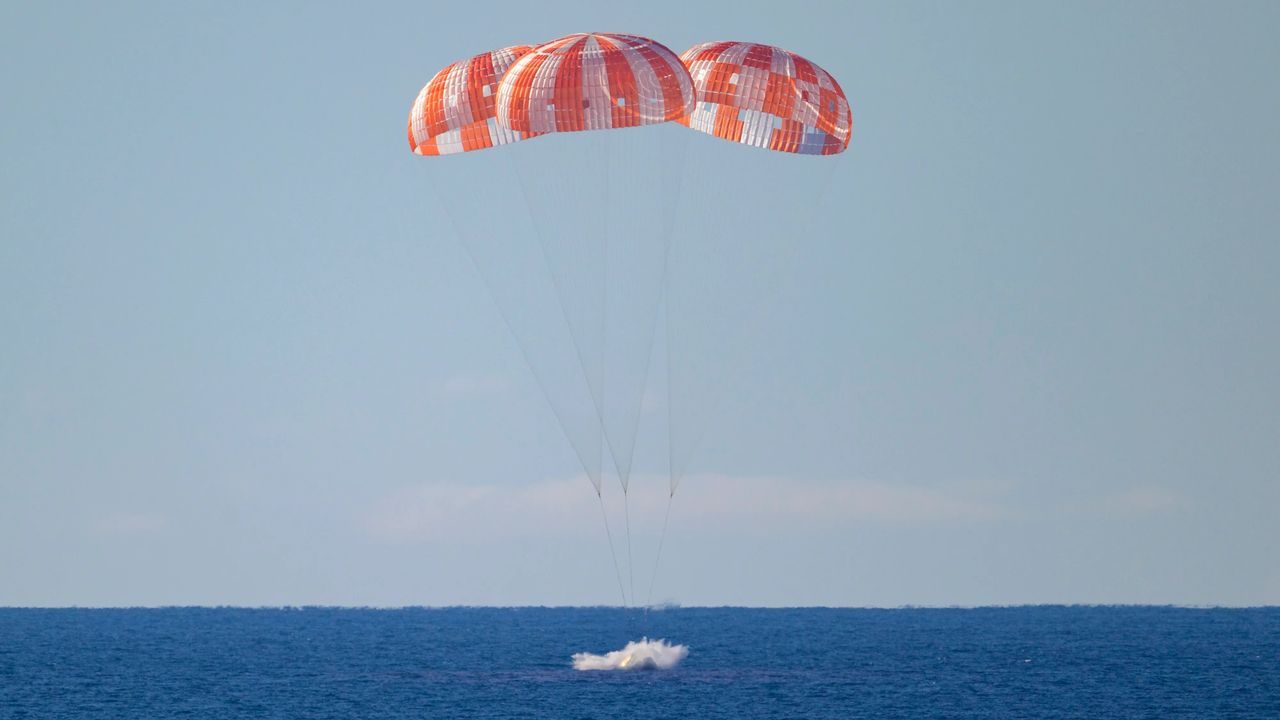
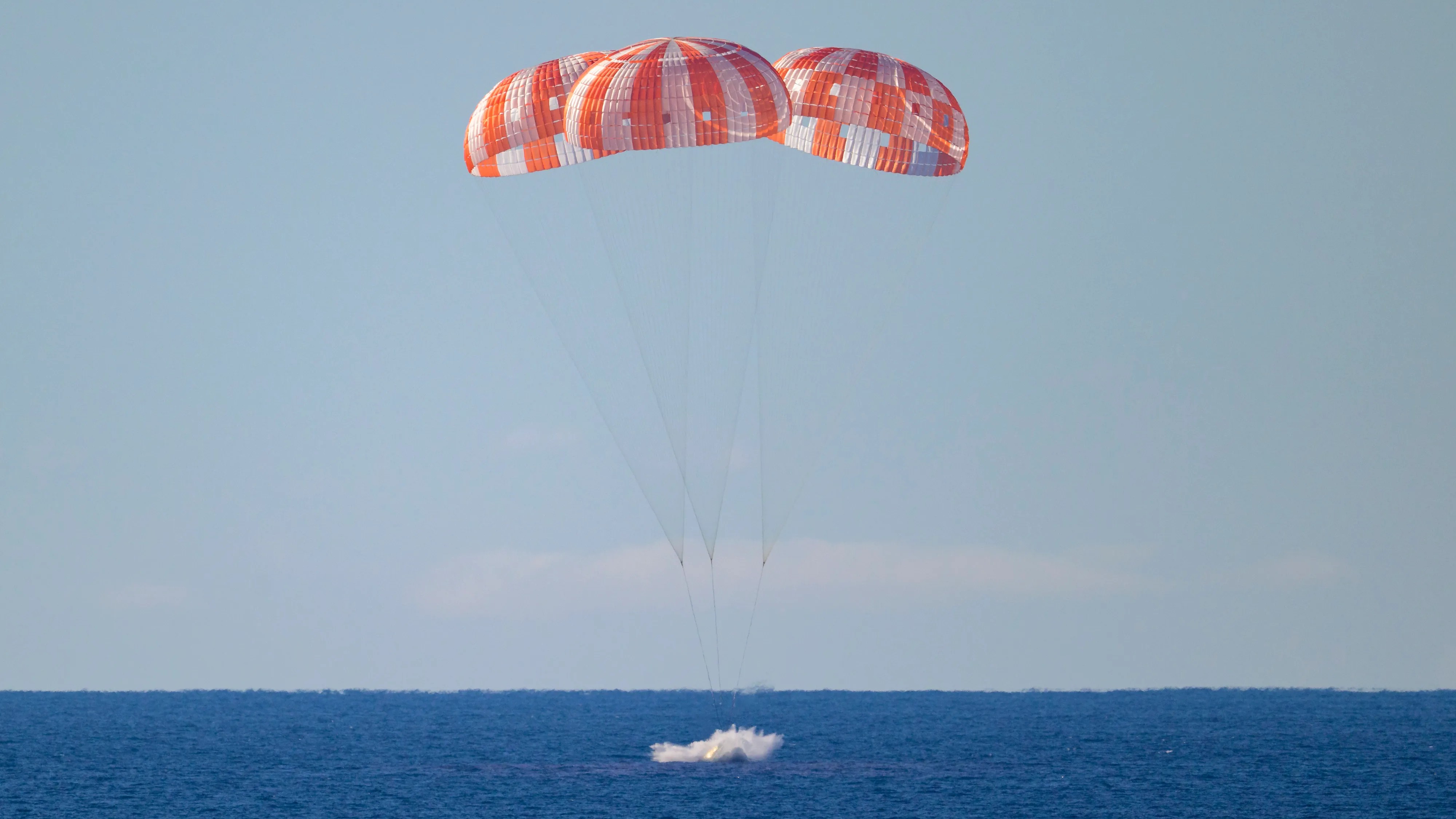
For the first time in more than half a century, a crew of human beings traveled to the moon and came back alive to tell the story. On April 10, 2026, NASA’s Orion spacecraft splashed down in the Pacific Ocean just off the coast of San Diego, marking the end of the Artemis II mission — a 10-day journey that rewrote the record books and reignited the world’s fascination with deep space exploration.
The landing was described as a “bullseye” by those who witnessed it, a precision splashdown that capped off one of the most significant human spaceflight achievements since the Apollo era. The mood at recovery operations was one of undisguised joy, with observers reportedly at a loss for words as the capsule hit the water.
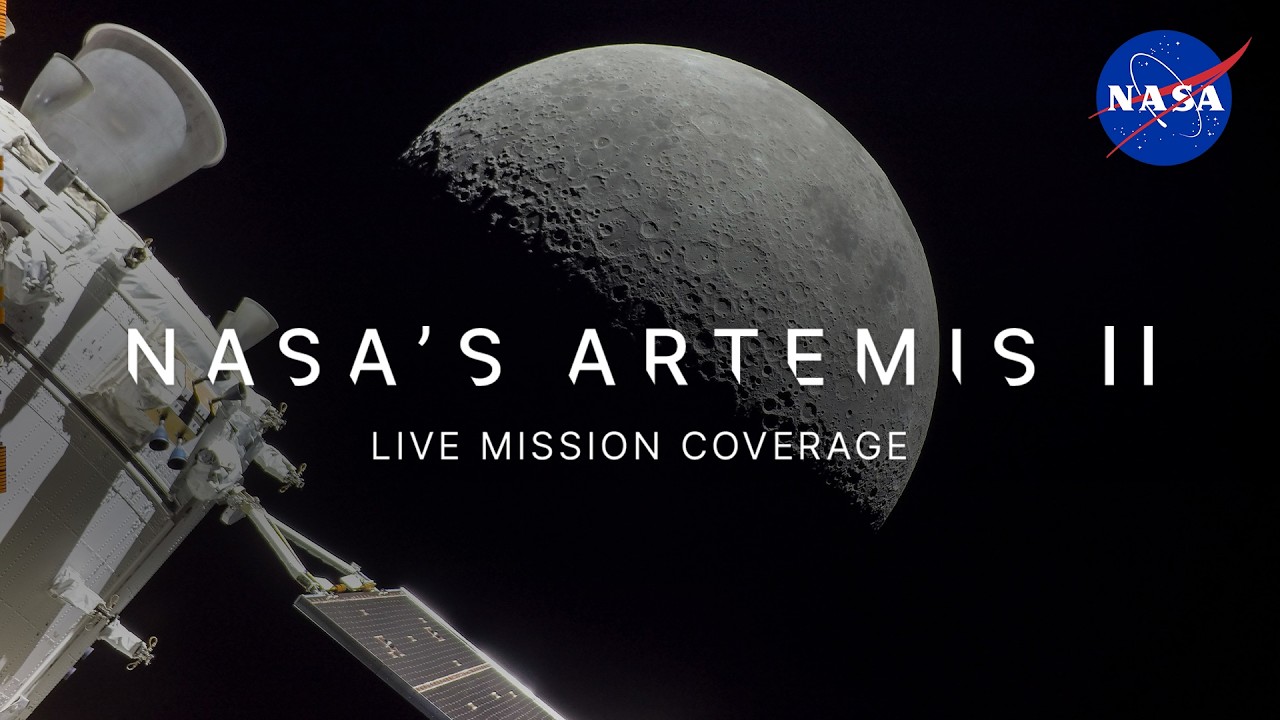
It was the kind of moment that doesn’t come around often — and for many watching, it felt like the beginning of something even larger than what just ended.
What the Artemis II Mission Actually Was
Artemis II was not a moon landing. But that distinction shouldn’t diminish what it achieved. The mission sent four astronauts on a crewed flight path around the moon — the first time humans had traveled that far from Earth since the Apollo 17 mission in December 1972. The primary purpose was to test the systems NASA intends to use for future missions, including the eventual Artemis III crewed lunar landing.
Think of it as the dress rehearsal before the main event. Every critical system aboard the Orion capsule — life support, navigation, communications, re-entry protocols — had to perform under real deep-space conditions with human lives on the line. There is no substitute for that kind of test data.
The mission lasted 10 days in total, and by all early accounts, it delivered the results NASA needed to move forward with confidence.
Meet the Four Astronauts Who Made History
The crew of Artemis II represented a milestone in itself. The four-person team brought together experienced NASA astronauts alongside the first Canadian to travel beyond low Earth orbit.
| Crew Member | Role | Notable |
|---|---|---|
| Reid Wiseman | Commander | Led the first crewed lunar mission since 1972 |
| Victor Glover | Pilot | Guided Orion through deep space and re-entry |
| Christina Koch | Mission Specialist | One of the first women to travel to lunar distance |
| Jeremy Hansen | Mission Specialist | First Canadian to travel beyond low Earth orbit |
Together, they represent a broader vision for human spaceflight — one that extends beyond the United States and signals international partnership as a core pillar of the Artemis program.
Why a Splashdown Off San Diego Matters More Than It Sounds
The Orion capsule’s return to Earth is not a passive event. Re-entering Earth’s atmosphere from lunar distances means hitting speeds and temperatures that are almost incomprehensible — the capsule’s heat shield must perform flawlessly, or the mission ends in catastrophe.
The fact that Orion touched down in the Pacific Ocean off San Diego with precision — described as a bullseye landing — confirmed that the spacecraft’s re-entry systems work exactly as designed under real mission conditions. That data point alone is enormously valuable for NASA engineers planning the next phase of the program.
Recovery teams were on-site to retrieve the crew and the capsule, a complex naval and aerospace operation that ran smoothly by all accounts. The cheers that greeted the splashdown were not just emotional — they were the sound of years of engineering work being validated in real time.
The Bigger Picture: What Artemis II Was Really Testing
Every mission in the Artemis program builds on the last. Artemis I, an uncrewed test flight, came before this. Artemis II was always designed to be the crewed systems verification step — confirming that humans could survive and operate effectively on the journey to and from the moon before NASA commits to an actual landing.
The systems tested during this 10-day mission include:
- Life support and crew habitability over an extended deep-space mission
- Navigation and trajectory accuracy during lunar flyby
- Communication systems at lunar distances
- Heat shield and re-entry performance returning from deep space
- Splashdown and crew recovery operations
Each of these systems must be proven reliable before NASA can responsibly send astronauts to actually land on the lunar surface. Artemis II appears to have delivered that proof.
What Comes Next for the Artemis Program
The successful return of the Artemis II crew sets the stage for what many consider the main event: Artemis III, which is planned to return humans to the surface of the moon for the first time since 1972. That mission would represent the culmination of years of development, international collaboration, and billions of dollars in investment.
No confirmed launch date for Artemis III has been referenced in the available reporting at this stage, but the success of Artemis II removes a critical barrier. With crewed systems now validated in real deep-space conditions, NASA’s path forward is considerably clearer than it was two weeks ago.
For space agencies, partner nations, and the millions of people who watched Orion descend toward the Pacific, April 10, 2026 will be remembered as the day humanity proved it could go back — and that the next step, actually landing on the moon again, is no longer a question of whether, but when.
Frequently Asked Questions
When did the Artemis II mission end?
The Artemis II mission ended on April 10, 2026, when the Orion capsule splashed down in the Pacific Ocean off the coast of San Diego.
Who were the astronauts on Artemis II?
The crew consisted of commander Reid Wiseman, pilot Victor Glover, and mission specialists Christina Koch and Jeremy Hansen.
How long did the Artemis II mission last?
The mission lasted 10 days in total from launch to splashdown.
Did the Artemis II crew land on the moon?
No. Artemis II was a crewed lunar flyby mission designed to test Orion’s systems, not a lunar landing. A surface landing is planned for a future Artemis mission.
Where did the Orion capsule land?
The Orion capsule splashed down in the Pacific Ocean just off the coast of San Diego, California, in what was described as a bullseye landing.
What is the significance of Artemis II historically?
Artemis II marks the first time humans have traveled to lunar distance since the Apollo 17 mission in December 1972, making it one of the most significant human spaceflight achievements in over 50 years.




Leave a Reply