
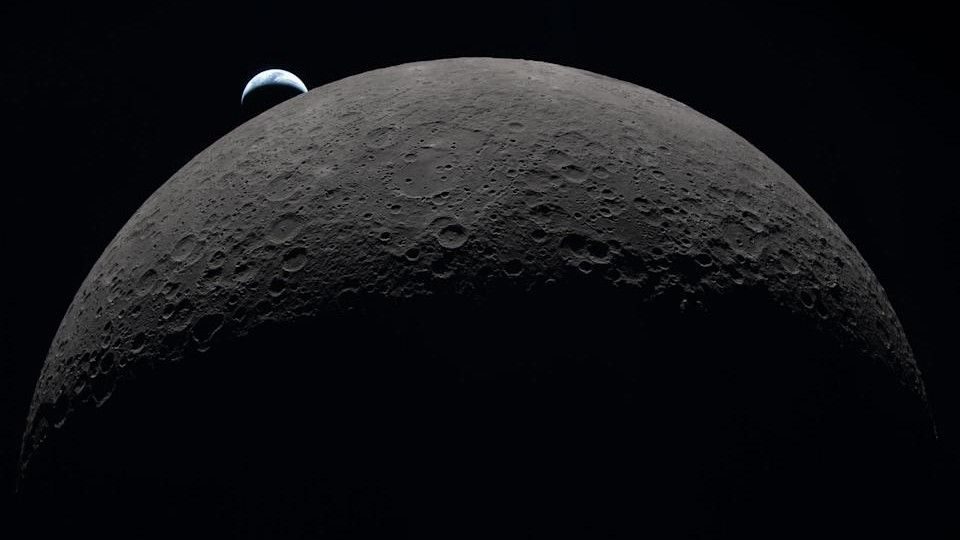
For the first time in more than half a century, human eyes are witnessing the far side of the moon up close — and the images are unlike anything most of us have ever seen.
NASA has released the first batch of photographs taken by the Artemis II astronauts during their historic flyby around the far side of the moon. The mission marks a profound milestone in human spaceflight, returning people to lunar distance for the first time since the Apollo era. And the pictures the crew brought back are already stopping people in their tracks.
THE MOST HQ VIDEO OF THE MOON IN EXISTENCE JUST RELEASED pic.twitter.com/Jzy4UH7SES
— ໊ (@buffys) April 6, 2026
One image in particular is drawing comparisons to one of the most famous photographs ever taken. Another captures something almost no human has ever witnessed from that vantage point: a solar eclipse, seen from space, with Earth itself doing the blocking.
The Photo That Echoes Apollo 8
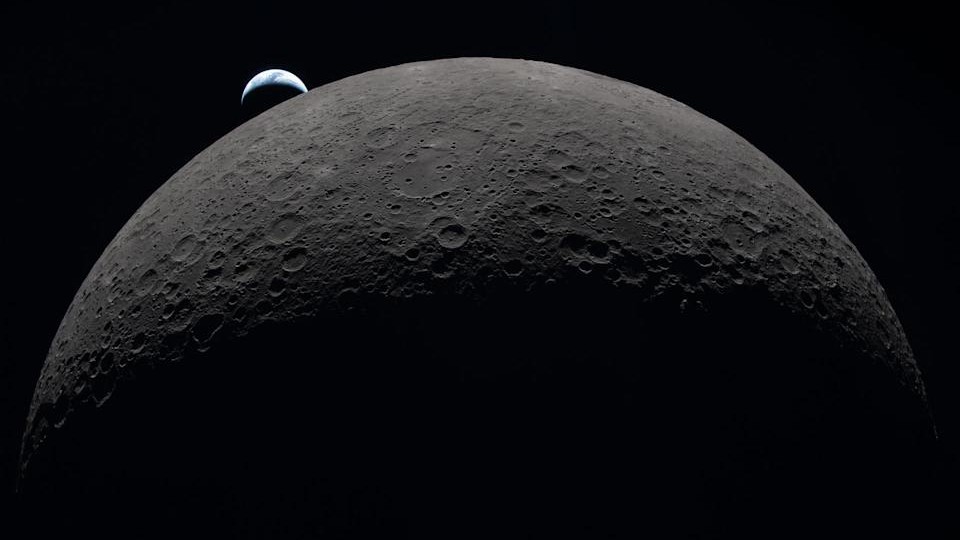
The first image released from the mission has been dubbed “Earthset” — and the name tells you everything. It shows our planet slowly disappearing behind the pockmarked, ancient face of the moon, captured as the Artemis II crew crossed to the far side.
The image is an unmistakable echo of “Earthrise,” the legendary photograph taken by Apollo 8 astronaut Bill Anders in 1968 — widely considered one of the most influential images in human history. That photo showed Earth rising above the lunar horizon for the first time, as seen by human eyes. This new “Earthset” image flips the perspective: Earth isn’t rising. It’s vanishing.
A dark, swooping shadow cuts across the planet in the image, marking the night side of Earth — the half where billions of people were asleep, completely unaware, as the Artemis II crew slipped behind the moon and out of contact with the rest of humanity.
There is something quietly staggering about that detail. The people in that photograph, reduced to a shadow on a marble, had no idea they were being watched from the far side of the moon.
What the Artemis II Mission Actually Is
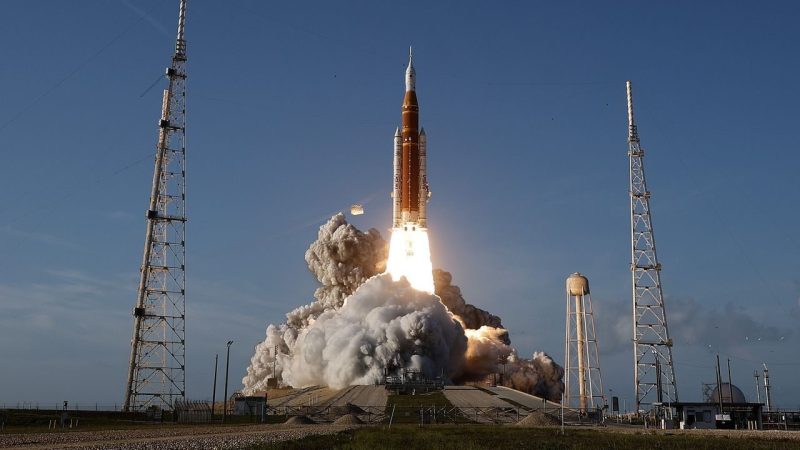
Artemis II is NASA’s first crewed mission under the Artemis program, which aims to return humans to the lunar surface for the first time since Apollo 17 in 1972. This particular mission is a flyby — the crew travels to the moon, loops around the far side, and returns to Earth without landing.
That might sound modest compared to a full landing, but the significance is enormous. No humans had traveled to lunar distance since the final Apollo missions. This crew is the first to witness the far side of the moon with their own eyes in decades — and the first to photograph it in this way.
The far side of the moon, often called the “dark side” in popular culture, is not actually dark. It receives just as much sunlight as the near side. What makes it remarkable is that it permanently faces away from Earth, meaning it has never been visible to anyone standing on our planet’s surface. The terrain is rougher, more cratered, and geologically distinct from the side we see every night.
A Solar Eclipse Nobody on Earth Could See
Among the images released by NASA is something genuinely rare: a solar eclipse captured from space, with Earth acting as the object blocking the sun.
From the crew’s position near the moon, Earth passed in front of the sun — creating an eclipse that no one on Earth’s surface could observe, because it only existed from that specific point in space. The image is a reminder of just how different the universe looks when you step even a short distance away from the surface we all call home.
Solar eclipses as seen from space, with Earth as the blocking body, are extraordinarily uncommon in human photography. The geometry has to align precisely, and you have to be in the right place at the right time — which, in this case, meant being a crew member on a spacecraft looping around the far side of the moon.
Why These Images Hit Differently Than Rover Photos
Space agencies have sent uncrewed spacecraft to the far side of the moon before. China’s Chang’e missions have returned detailed surface images. But there is something psychologically different about photographs taken by human hands, from human eyes, in real time.
The Artemis II images carry an immediacy that robotic mission photos rarely achieve. These are people — astronauts with names, families, and the same basic human experience as the rest of us — floating behind a world that blocks all communication with Earth, pointing a camera at their home planet as it disappears from view.
The reaction from those following the mission has reflected that. Observers have described the images as surreal, almost impossible to process emotionally, despite being straightforward photographs of things that physically exist.
| Image | What It Shows | Historical Comparison |
|---|---|---|
| Earthset | Earth disappearing behind the far side of the moon | Echoes “Earthrise” taken by Bill Anders, Apollo 8, 1968 |
| Solar Eclipse from Space | Earth blocking the sun, as seen from near the moon | Extremely rare vantage point, not visible from Earth’s surface |
| Far Side Surface | The pockmarked, cratered terrain of the moon’s hidden face | First crewed photographs of this region since the Apollo era |
What Comes Next for Artemis
Artemis II is a precursor to Artemis III, which is intended to actually land astronauts on the lunar surface — including, for the first time in history, a woman and a person of color. The program’s broader goal is to establish a sustained human presence near and on the moon, eventually serving as a stepping stone for future crewed missions to Mars.
Each image the Artemis II crew sends back serves a purpose beyond the aesthetic. They document conditions, test equipment, and build the kind of public connection to the mission that sustains political and financial support for programs that span decades.
But beyond the logistics, these photographs do something else. They remind a distracted, fragmented world that humans are, right now, out there — past the atmosphere, past the satellites, past everything familiar — looking back at us from the dark.
Frequently Asked Questions
What is the Artemis II mission?
Artemis II is NASA’s first crewed mission under the Artemis program, involving a flyby around the far side of the moon without landing on the surface.
What is the “Earthset” photo?
It is the first image released from the Artemis II mission, showing Earth disappearing behind the moon’s surface as the crew traveled to the far side — deliberately evoking the famous “Earthrise” photo from Apollo 8 in 1968.
Who took the original “Earthrise” photograph?
Apollo 8 astronaut Bill Anders took the iconic “Earthrise” photograph in 1968, making it one of the most recognized images in history.
What made the solar eclipse in these images so unusual?
The eclipse was only visible from the crew’s position near the moon, where Earth passed in front of the sun — a geometry that cannot be observed from Earth’s surface.
Has the far side of the moon been photographed before?
Uncrewed spacecraft, including missions from China’s space program, have photographed the far side before, but these Artemis II images represent the first crewed human photographs of that region in decades.
What mission comes after Artemis II?
Artemis III is planned to follow and aims to land astronauts on the lunar surface, with the goal of including the first woman and first person of color to walk on the moon.

Leave a Reply