
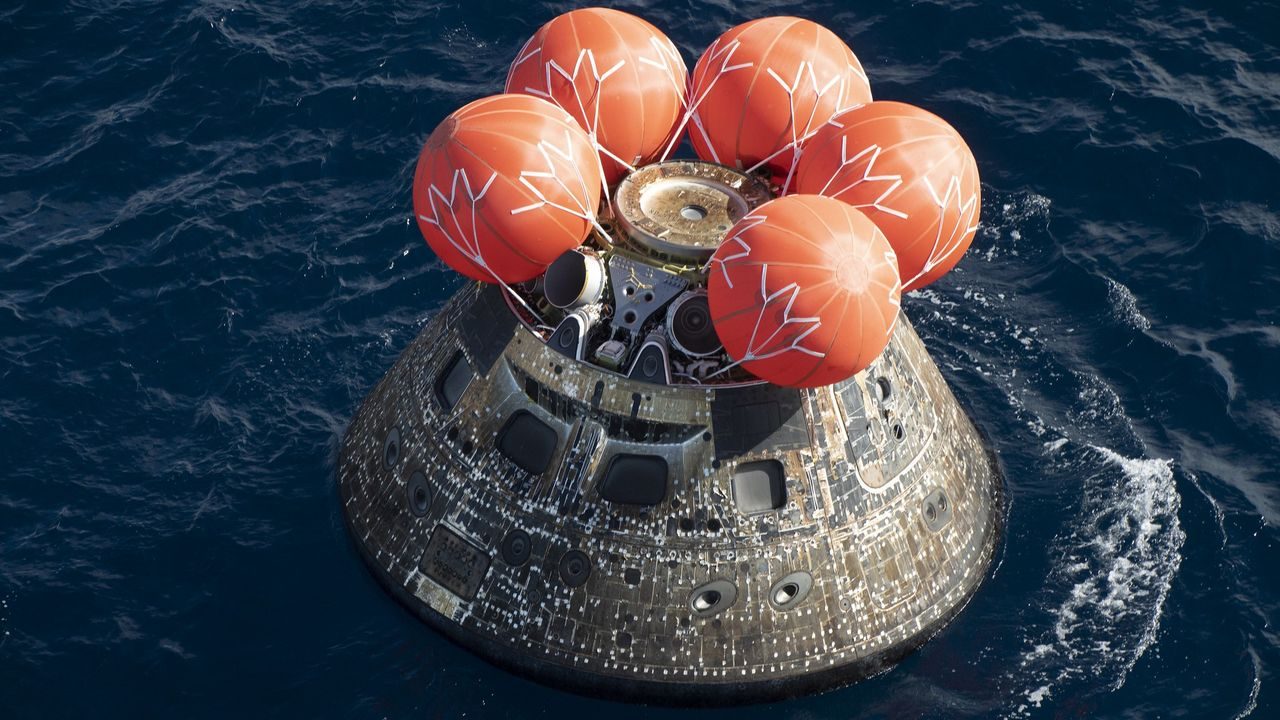
Four astronauts are preparing to re-enter Earth’s atmosphere after completing NASA’s first crewed lunar mission since 1972 — and the one piece of hardware standing between them and survival is a heat shield that has already shown signs of a known problem.
The Artemis II mission, which launched on April 1, is scheduled to end with a splashdown in the Pacific Ocean on April 10. The crew’s Orion spacecraft must survive the intense heat of atmospheric re-entry to bring them home safely. But a heat shield issue — first discovered after the uncrewed Artemis I mission splashed down in 2022 — has raised questions about whether the same problem could affect Artemis II.

NASA and the astronauts themselves say the spacecraft is safe. Not everyone agrees. Here’s what we know, and why this matters far beyond one mission.
What Happened to the Artemis I Heat Shield
When the uncrewed Orion capsule returned from the Artemis I mission and splashed down in December 2022, engineers examining the spacecraft found unexpected charring and erosion on its heat shield. The ablative material — the layer designed to burn away in a controlled manner during re-entry, protecting the capsule from temperatures that can exceed thousands of degrees — had behaved differently than predicted in some areas.
That discovery triggered an extensive investigation. The heat shield on the Orion capsule uses a material called AVCOAT, which is applied in blocks and is designed to ablate, or burn off, as it absorbs heat. The concern after Artemis I was that some of that material had come off in larger chunks than models had anticipated, rather than eroding smoothly and evenly as designed.
Engineers spent considerable time analyzing the data, running simulations, and reviewing what the re-entry conditions meant for future crewed missions. The stakes of getting that analysis right are obvious: Artemis II carries human beings.
Why NASA Says the Artemis II Heat Shield Is Not a Danger
Despite the known issue, NASA has assessed the Artemis II Orion capsule’s heat shield as safe for the crew’s return. Officials have noted that the agency thoroughly studied the Artemis I findings and concluded that the behavior observed — while unexpected — did not represent a catastrophic failure mode and would not endanger astronauts on a crewed flight.
The astronauts themselves have publicly expressed confidence in the spacecraft and the engineering analysis behind it. NASA’s position is that the heat shield will perform adequately to protect the crew during the high-speed re-entry from the lunar return trajectory.
However, Some observers and critics have raised concerns that the agency may be proceeding before the full picture of the heat shield’s behavior is understood — a tension that is not unusual in human spaceflight, where perfect certainty is rarely achievable and risk must always be weighed against mission objectives.
The Bigger Picture: What This Mission Represents
| Mission | Type | Launch Date | Key Event |
|---|---|---|---|
| Artemis I | Uncrewed test flight | November 2022 | Heat shield issue discovered post-splashdown |
| Artemis II | First crewed lunar flight since 1972 | April 1, 2025 | Scheduled Pacific Ocean splashdown April 10, 2025 |
Artemis II is not just another spaceflight. It represents the United States’ return to crewed lunar missions for the first time in more than five decades. The mission has already produced what NASA describes as stunning imagery from the vicinity of the moon, and it has set records in the process.
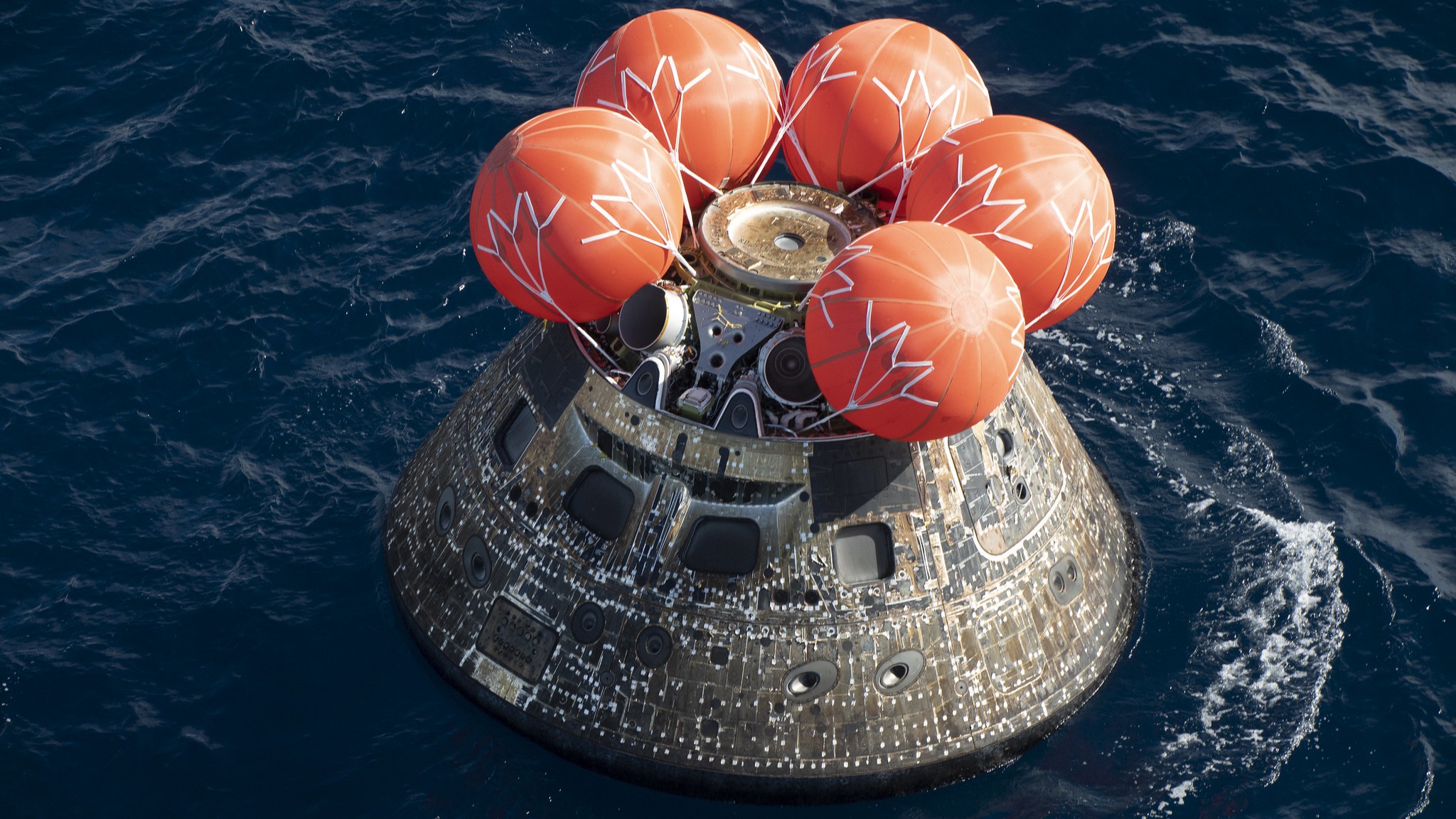
The pressure on this mission — and on every system aboard the Orion capsule — is enormous. The Artemis program is NASA’s long-term pathway back to the lunar surface, and Artemis II is the critical crewed proving ground before astronauts actually attempt a landing. A successful return splashdown would validate not just this mission but the entire architecture of what comes next.
What the Heat Shield Debate Actually Tells Us About Human Spaceflight
The disagreement over the Artemis II heat shield is a window into something that rarely gets discussed openly in coverage of space missions: the fact that human spaceflight always involves calculated risk, and that reasonable, qualified people can look at the same data and reach different conclusions about what is acceptable.
NASA has a long institutional history of both getting those calls right and, tragically, getting them wrong. The agency’s safety culture has evolved significantly since the Challenger and Columbia disasters, and the current generation of NASA engineers and managers operate under frameworks designed specifically to surface and address dissenting technical opinions before flight.
That process appears to have been applied here. The heat shield issue was not hidden — it was documented, studied, and publicly acknowledged. The question of whether the resulting analysis is sufficient is one that will ultimately be answered by the data collected when the Orion capsule hits the atmosphere on April 10.
What Happens When Artemis II Splashes Down
The splashdown itself will be closely watched by engineers as much as by the public. After the crew is safely recovered, the Orion capsule will be thoroughly examined — just as it was after Artemis I — to assess how the heat shield performed under actual re-entry conditions from a lunar return trajectory.
That post-flight inspection will generate data that directly informs the design and preparation of future Artemis missions, including those that will attempt to put astronauts on the lunar surface. If the heat shield performs as NASA predicts, it will help close the book on the concerns raised after Artemis I. If it shows unexpected behavior again, engineers will need to go back to the analysis and determine what that means for the program going forward.
Either way, the results will matter well beyond this single mission.
Frequently Asked Questions
What is the heat shield issue on the Artemis II Orion capsule?
The issue stems from unexpected charring and material loss discovered on the Artemis I Orion capsule after it splashed down in 2022. NASA investigated the findings before proceeding with the crewed Artemis II mission.
Is NASA confident the Artemis II heat shield is safe?
Yes. NASA has stated that the heat shield is safe for the crew’s return, and the astronauts themselves have expressed confidence in the spacecraft. However, some observers have raised concerns that not enough is yet understood about the heat shield’s behavior.
When is the Artemis II splashdown scheduled?
The Orion capsule is scheduled to splash down in the Pacific Ocean on April 10, 2025.
When was the last time NASA flew a crewed mission to the moon before Artemis II?
NASA’s last crewed lunar mission before Artemis II was in 1972, making Artemis II the first in more than five decades.
What happens to the heat shield after splashdown?
Engineers will inspect the Orion capsule after recovery to assess how the heat shield performed, generating data that will inform future Artemis missions.
What material is used in the Orion heat shield?
The Orion capsule uses a heat shield material called AVCOAT, which is designed to ablate — or burn away in a controlled manner — during re-entry to protect the spacecraft from extreme heat.




Leave a Reply