
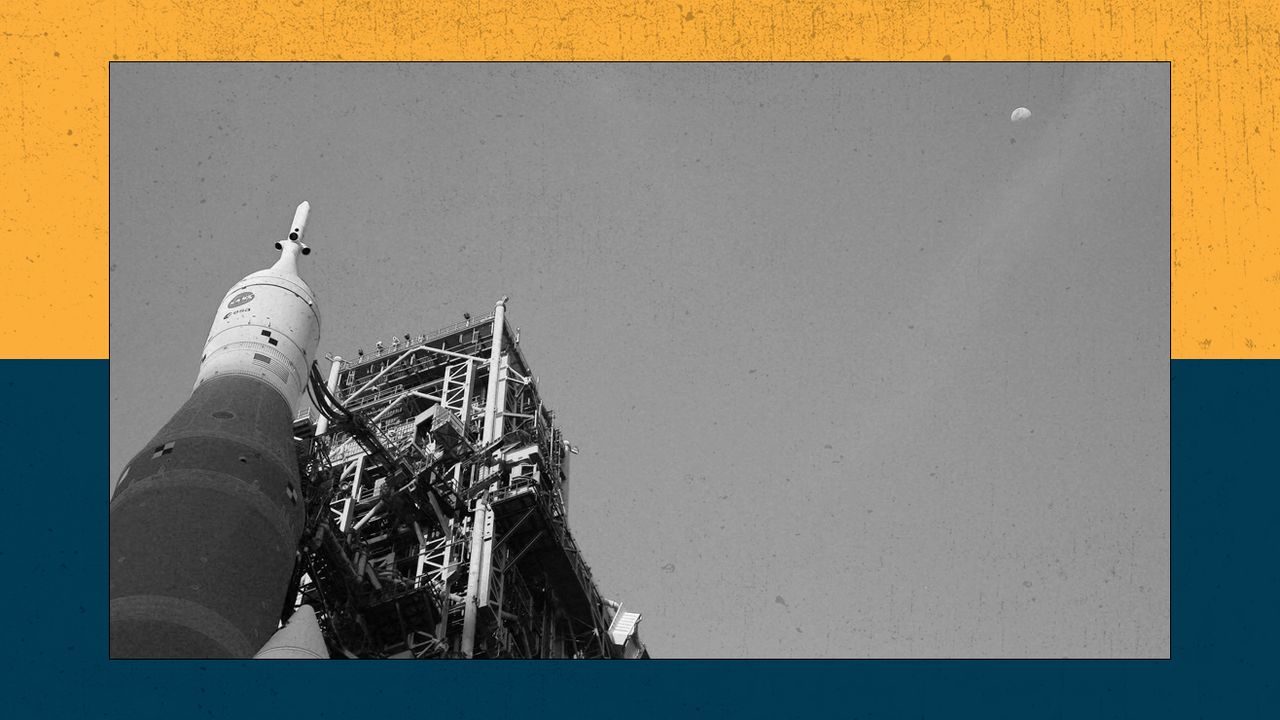
NASA is preparing to roll its massive Artemis II rocket back to the launch pad — a milestone that puts humanity’s first crewed lunar flyby in decades closer to reality than it has been in over fifty years.
The Space Launch System, with the Orion capsule mounted on top, is making its second journey to the launchpad as the mission’s four-person crew enters quarantine ahead of a planned April 1 liftoff. It’s a moment that space watchers have been anticipating for years, and the countdown is now very real.
Meanwhile, the sun has been putting on its own show. Solar activity has been painting skies around the world with vivid auroras — a reminder that space isn’t just something happening far above us. It’s happening all around us, right now.
What the Artemis II Rollout Actually Means
Rolling a rocket to the launchpad isn’t just a logistical step. It’s a signal. It means the hardware is ready, the crew is ready, and the countdown clock is close to starting in earnest.
Artemis II is NASA’s first crewed mission under the Artemis program, which aims to return humans to the Moon. This particular mission won’t land on the lunar surface — it’s a flyby, designed to test the Orion spacecraft and the Space Launch System with astronauts aboard for the first time. Think of it as a dress rehearsal at full scale, with real people in the seats.
This rollout is the second time the SLS and Orion have made the journey to the pad for this mission. The first rollout was part of earlier preparations, and the rocket has since been brought back to the Vehicle Assembly Building before this latest move. Rolling a rocket of this size is no small operation — the SLS is one of the most powerful rockets ever built, standing taller than the Statue of Liberty.
The Crew Is Already in Quarantine
The four astronauts assigned to Artemis II have entered pre-launch quarantine, a standard procedure designed to protect the crew from illness in the days before flight. Once you’re in quarantine, the mission becomes very real, very fast.
The crew will fly aboard the Orion capsule on a trajectory that takes them around the Moon — the farthest any humans will have traveled from Earth since the Apollo 17 mission in 1972. That’s more than fifty years between crewed lunar missions, and Artemis II is the bridge back.
The planned launch date of April 1 gives the mission a target that, if met, would mark a historic chapter not just for NASA but for human spaceflight globally.
Key Facts About the Artemis II Mission
| Detail | Information |
|---|---|
| Mission type | Crewed lunar flyby (no landing) |
| Rocket | Space Launch System (SLS) |
| Spacecraft | Orion capsule |
| Crew size | Four astronauts |
| Planned launch date | April 1 |
| Rollout status | Second rollout to launchpad |
| Crew status | In pre-launch quarantine |
- Artemis II is the first crewed mission in the Artemis program
- The SLS is one of the most powerful rockets NASA has ever launched
- The mission will send humans farther from Earth than any crew since Apollo 17 in 1972
- The Orion capsule sits atop the SLS during both rollout and flight
The Sun Is Putting on a Show at the Same Time
While NASA prepares to send humans toward the Moon, the sun has been making its own presence felt. Recent solar eruptions have produced stunning auroras visible across unusually wide swaths of the planet — the kind of light displays that normally require a trip to the Arctic but have recently been spotted at much lower latitudes.
Auroras are caused when charged particles from the sun interact with Earth’s magnetic field and atmosphere. When solar activity is high — as it has been recently — those particles arrive in greater numbers and with greater energy, pushing the visible aurora zones much farther toward the equator.
The timing isn’t entirely coincidental. The sun is currently near the peak of its roughly 11-year solar cycle, meaning activity like this is expected to remain elevated for some time. For skywatchers, that’s good news. For satellite operators and power grid managers, elevated solar activity is something to monitor carefully.
Why Both Stories Matter Right Now
The intersection of the Artemis II rollout and the recent aurora displays is a useful reminder of just how active and dynamic the space environment is — and how much humanity’s relationship with that environment is changing.
NASA’s Artemis program represents a long-term commitment to returning humans to deep space. Artemis II is the critical next step: proving that the hardware works with people aboard. If April 1 holds as the launch date, the world will be watching four astronauts travel farther from home than any human crew in half a century.
At the same time, the auroras lighting up the sky are a visible, tangible connection between everyday life on Earth and the forces operating in space. You don’t need a rocket ticket to feel the sun’s influence — sometimes it comes to you.
What Happens Next
With the Artemis II rocket rolling back to the launchpad and the crew in quarantine, the next major milestones will be the formal countdown and launch operations leading up to the April 1 target date.
If the mission launches on schedule, the crew will embark on the lunar flyby and return to Earth, providing NASA with critical data on how the Orion capsule and SLS perform under real crewed conditions. That data will directly inform Artemis III, which is planned to include an actual Moon landing.
As for the auroras — solar activity is expected to remain elevated, so skywatchers at mid-latitudes should keep an eye on space weather forecasts. The next display could come with little warning.
Frequently Asked Questions
What is the Artemis II mission?
Artemis II is NASA’s first crewed mission under the Artemis program. It involves four astronauts flying aboard the Orion capsule on a flyby of the Moon, without landing on the surface.
When is the Artemis II launch date?
NASA has a planned launch date of April 1 for the Artemis II mission.
Why is this called the second rollout?
The Space Launch System and Orion capsule were previously rolled out to the launchpad and then returned to the Vehicle Assembly Building. This is their second journey to the pad for this mission.
Why are the astronauts in quarantine?
Pre-launch quarantine is a standard NASA procedure to protect the crew from illness in the days immediately before flight.
What is causing the recent auroras?
Recent solar eruptions have sent charged particles toward Earth, which interact with the planet’s magnetic field and atmosphere to produce aurora displays visible at unusually low latitudes.
Will Artemis II land on the Moon?
No. Artemis II is a crewed lunar flyby mission, not a landing. A Moon landing is planned for a future mission, Artemis III.




Leave a Reply