
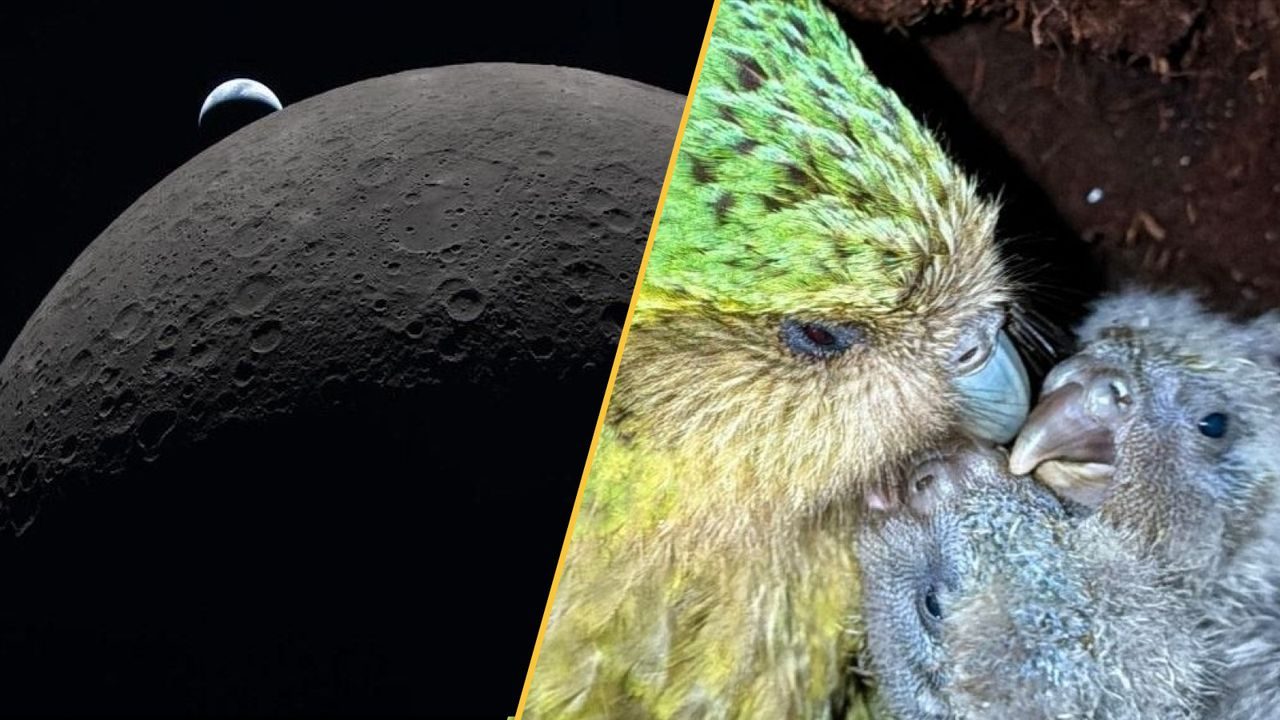
Four astronauts swinging around the far side of the moon. A critically endangered parrot making a stunning comeback. New questions about one of history’s most debated relics. And a potential functional cure for type 1 diabetes. This week in science delivered the kind of stories that remind you why paying attention to the natural and explored world still matters.
Here’s what you need to know.
Artemis II Makes History Around the Moon
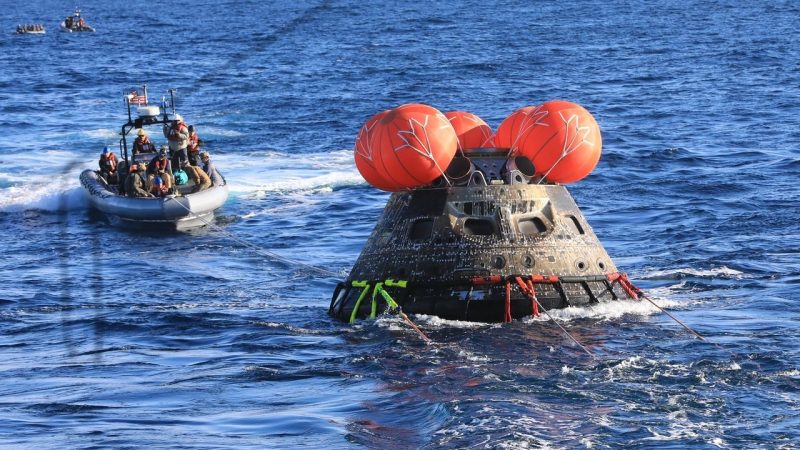
The headline story this week belongs to NASA’s Artemis II mission, which saw four astronauts complete a loop around the moon’s far side and return safely to Earth with a splashdown. It marks a significant milestone in NASA’s broader effort to return humans to the lunar surface — the first crewed mission to travel to the vicinity of the moon since the Apollo era.
Artemis II was a crewed test flight rather than a lunar landing, but its success confirms that NASA’s Space Launch System and the Orion capsule can carry humans safely on the journey to deep space and bring them home. The splashdown represents the culmination of years of development, delays, and enormous cost — and it sets the stage for future missions that aim to put boots on the moon once more.
For space watchers, this is the moment the Artemis program stopped being a promise and started being a track record.
The World’s Fattest Parrot Is Bouncing Back
One of the week’s most uplifting stories comes from New Zealand, where the kākāpō — the world’s heaviest parrot, a flightless and critically endangered bird — is showing signs of a genuine population recovery.
The kākāpō is one of the most unusual birds on the planet. Nocturnal, ground-dwelling, and incapable of flight, it evolved in isolation and was nearly wiped out entirely by introduced predators. Conservation efforts in New Zealand have been intensive and ongoing for decades, and this week brought encouraging news that those efforts are paying off.
The species remains critically endangered, but the trend line is moving in the right direction — a rare conservation success story in a week that could easily have been dominated by grimmer environmental headlines.
This Week’s Major Science Stories at a Glance
| Story | Category | Significance |
|---|---|---|
| Artemis II splashdown | Space exploration | First crewed lunar-vicinity mission since Apollo era |
| Kākāpō population recovery | Conservation / Wildlife | World’s fattest parrot showing signs of comeback |
| Shroud of Turin contamination findings | Archaeology / History | New evidence complicates dating and authenticity debate |
| Functional cure for type 1 diabetes | Medicine / Health | Potential breakthrough in long-term diabetes treatment |
| Iran war climate impact | Environment / Geopolitics | Conflict described as a climate catastrophe |
The Shroud of Turin Just Got More Complicated
The Shroud of Turin — the linen cloth long claimed by some to bear the image of Jesus Christ — has been a source of scientific debate for generations. This week, new findings added another layer of complexity: the shroud appears to be contaminated in ways that make accurate scientific dating even more difficult than previously understood.
Researchers have long disputed carbon dating results that placed the shroud’s origin in the medieval period, with critics arguing that contamination could have skewed those findings. The new evidence around contamination doesn’t resolve the authenticity question — if anything, it deepens the uncertainty. The shroud remains one of the most studied and most contested artifacts in human history, and this week’s findings ensure that debate will continue.
What this new research underscores is how challenging it is to draw firm scientific conclusions from ancient materials that have passed through centuries of human hands, fires, repairs, and environmental exposure.
A Functional Cure for Type 1 Diabetes — What That Actually Means
Perhaps the most personally significant story for millions of people worldwide is the reported development of a functional cure for type 1 diabetes. Type 1 diabetes is an autoimmune condition in which the body destroys the insulin-producing cells in the pancreas, requiring patients to manage their blood sugar through insulin therapy for life.
A functional cure — as opposed to a complete biological cure — typically means that a patient no longer needs ongoing treatment to maintain normal function, even if the underlying condition hasn’t been fully reversed at a cellular level. The distinction matters, but for the people who live with daily insulin management, finger pricks, and the constant vigilance that type 1 diabetes demands, even a functional cure would be life-changing.
As with all early-stage medical breakthroughs, the road from promising research to widespread treatment can be long — but the direction of travel is genuinely exciting.
What to Watch in the Weeks Ahead
The Artemis program’s next steps will be closely watched after the Artemis II success. NASA’s longer-term goal is a crewed lunar landing, and each successful mission builds the case — and the technical confidence — needed to attempt it.
On the conservation front, the kākāpō story is a reminder that sustained, long-term effort in wildlife protection can produce real results. Conservationists and researchers working on the species will continue monitoring population numbers closely.
The Shroud of Turin contamination findings are likely to prompt further scientific scrutiny and debate. Researchers on multiple sides of the authenticity question will be examining what the new contamination evidence means for previously published dating studies.
And in medicine, the type 1 diabetes functional cure story will be one to follow carefully — particularly as more peer-reviewed detail emerges about the method, the patient outcomes, and how far along the research actually is.
Frequently Asked Questions
What was the Artemis II mission?
Artemis II was a NASA crewed mission that sent four astronauts around the far side of the moon and returned them safely to Earth via splashdown, marking a major milestone in the Artemis program.
Why is the kākāpō significant?
The kākāpō is the world’s heaviest parrot and is critically endangered. It is a flightless, nocturnal bird native to New Zealand that has been the focus of intensive conservation efforts for decades.
What did scientists find about the Shroud of Turin this week?
New findings suggest the Shroud of Turin is contaminated in ways that complicate accurate scientific dating, deepening rather than resolving the long-running debate over its authenticity and origins.
What does a “functional cure” for type 1 diabetes mean?
A functional cure generally means a patient no longer requires ongoing treatment to manage their condition normally, even if the underlying autoimmune cause hasn’t been fully reversed at a biological level.
Is the type 1 diabetes cure available to patients now?
Full clinical details and availability timelines have not been confirmed in the available source material — this has not yet been established as a treatment ready for widespread use.
How does the Iran war connect to climate news?
This week’s science coverage described the Iran war as a climate catastrophe, though the specific environmental mechanisms and data behind that characterization were not detailed in the available source material.



Leave a Reply