
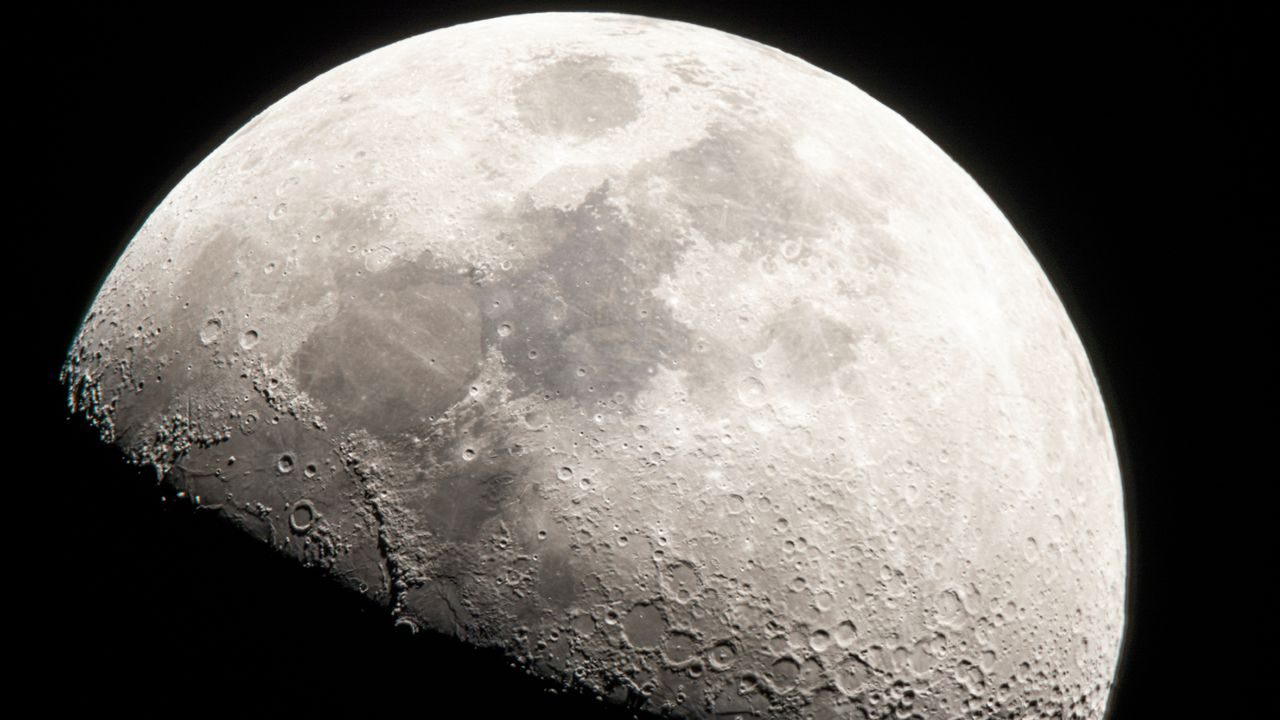
For the first time in more than 50 years, human beings are preparing to travel back to the lunar system — and this time, the ambition reaches far beyond planting a flag and coming home. NASA’s Artemis program represents a fundamental shift in how humanity thinks about the moon: not as a distant destination to visit once, but as a place to understand, inhabit, and ultimately build upon.
The moon has never been just a rock in the sky. Across every culture and every era of recorded history, it has functioned as a calendar, a compass, an object of worship, and one of science’s most enduring obsessions. What the Artemis missions promise is something genuinely new — a chance to reframe that ancient relationship on entirely different terms.
That shift, observers note, carries weight that goes well beyond rocket launches and mission patches. It touches on questions of science, identity, and what it means for a species to extend itself beyond the world it came from.
Why the Moon Has Always Mattered More Than We Admit
Across human history, the moon has played roles that most people today rarely stop to consider. It has served as one of the earliest timekeeping tools available to our ancestors, its reliable cycle of phases giving early civilizations a way to organize agriculture, religion, and social life. Navigators used it to find their position at sea. Countless cultures elevated it to the status of deity.
Even in the modern era, the moon’s scientific importance has never faded. It holds clues about the early formation of the solar system, the history of Earth itself, and the conditions that made life here possible. The lunar surface, largely undisturbed by the geological activity that constantly reshapes Earth, functions as a kind of frozen archive of the solar system’s past.
What the Artemis program adds to that long history is the possibility of sustained human presence — not a brief visit, but an ongoing engagement with the lunar environment that could yield scientific returns no robotic mission alone could match.
What the Artemis Missions Actually Involve
NASA’s Artemis II mission is designed to return astronauts to the lunar system for the first time since the Apollo era ended more than five decades ago. Unlike Apollo, which focused on landing and returning as quickly as possible, the broader Artemis program is structured around building the infrastructure for longer-term exploration.
The scale of the ambition is notable. Where Apollo was in many ways a geopolitical sprint — driven by Cold War competition — Artemis is framed as a scientific and exploratory program with international partnerships and long-range goals that include establishing a sustainable human presence near and eventually on the lunar surface.
| Program | Era | Primary Goal | Human Lunar Return? |
|---|---|---|---|
| Apollo | 1960s–1970s | Crewed lunar landing, Cold War competition | Yes — last mission over 50 years ago |
| Artemis | 2020s–ongoing | Sustained lunar exploration and presence | Yes — Artemis II returns crew to lunar system |
The gap between those two programs — more than half a century — is itself a striking fact. An entire generation grew up with the moon as a place humans had once been, but no longer visited. Artemis changes that reality.
The Science That Makes This Moment Different
One of the most compelling arguments for returning to the moon is what science now knows that it didn’t know during Apollo. Decades of robotic missions, telescopic observation, and analysis of lunar samples have dramatically expanded our understanding of what the moon contains and what it can tell us.
Scientists have confirmed the presence of water ice in permanently shadowed craters near the lunar poles — a discovery with enormous implications both for science and for the practical question of sustaining human presence on the surface. Water ice can potentially be converted into drinking water, oxygen, and even rocket fuel, reducing the cost and complexity of long-duration missions.
Beyond resources, the moon’s surface preserves a record of asteroid and comet impacts stretching back billions of years — impacts that also struck Earth but whose evidence here has been erased by erosion and tectonic activity. Reading that record more carefully could reshape our understanding of Earth’s own history, including the period when life first emerged.
What This Means for the People Watching From Earth
The Artemis program’s significance isn’t purely scientific or logistical. There is a cultural and generational dimension that analysts and space advocates have pointed to consistently.
For the generation that watched Apollo live, the moon landings were a defining collective experience — proof of what human ambition and engineering could achieve. For everyone born after 1972, the moon has been a place humans once visited but left behind. Artemis offers this generation its own version of that experience.
- The program marks the first time astronauts will return to the lunar system since the early 1970s
- Artemis is designed to include the first woman and first person of color to travel to the lunar surface
- International partnerships make this a broader human endeavor than Apollo’s largely American-led effort
- Long-term goals include a lunar Gateway space station and eventual surface habitats
The psychological and symbolic weight of watching humans return to the moon — this time to stay longer, learn more, and build toward something permanent — carries a meaning that reaches well beyond the technical details of any single mission.
What Comes Next for Artemis and Lunar Exploration
Artemis II is a crewed mission designed to fly astronauts around the moon without landing — a critical step in proving the systems needed for the landings that follow. Subsequent missions in the Artemis program are intended to achieve crewed lunar landings and begin establishing the infrastructure for a sustained presence.
The timeline is ambitious, and space programs have a long history of delays. But the direction of travel is clear. Multiple nations and private companies are now investing in lunar exploration, creating an environment around the moon that looks less like a one-time destination and more like the early stages of a permanent human frontier.
Whether that frontier develops on the timescale NASA envisions remains to be seen. What seems less in doubt is that humanity’s relationship with the moon — shaped over thousands of years of myth, science, and wonder — is entering a genuinely new chapter.
Frequently Asked Questions
What is the Artemis II mission?
Artemis II is a NASA crewed mission designed to return astronauts to the lunar system for the first time in more than 50 years, flying humans around the moon as a step toward eventual lunar landings.
How long has it been since humans last traveled to the moon?
More than 50 years have passed since the Apollo program’s final lunar missions in the early 1970s.
How is Artemis different from the Apollo program?
While Apollo was largely driven by Cold War competition and focused on short visits, Artemis is structured around building sustainable, long-term human presence near and on the lunar surface, with international partnerships involved.
Why is the moon scientifically important?
The lunar surface preserves a largely undisturbed record of the solar system’s early history, including ancient impact events, and scientists have confirmed the presence of water ice near the poles that could support future human missions.
What are the long-term goals of the Artemis program?
Beyond crewed landings, the program’s broader goals include establishing a lunar Gateway space station and eventually building surface habitats for sustained human presence on the moon.
Will Artemis include any historic firsts beyond returning to the moon?
Yes — the Artemis program is designed to send the first woman and first person of color to the lunar surface, representing a significant expansion of who participates in human space exploration.




Leave a Reply