
Hidden beneath the floor of the Atlantic Ocean, off the northeastern coast of the United States, scientists have confirmed the existence of a massive freshwater reservoir — one that early estimates suggest could theoretically supply a city the size of New York for approximately 800 years. That number alone is enough to stop you cold.
But here is the thing: this is not a simple fix for the water crises mounting across the country. Confirming that the water exists is one thing. Getting to it, treating it, and using it responsibly is something else entirely. Still, in a world of worsening droughts and strained municipal supplies, a discovery like this demands serious attention.
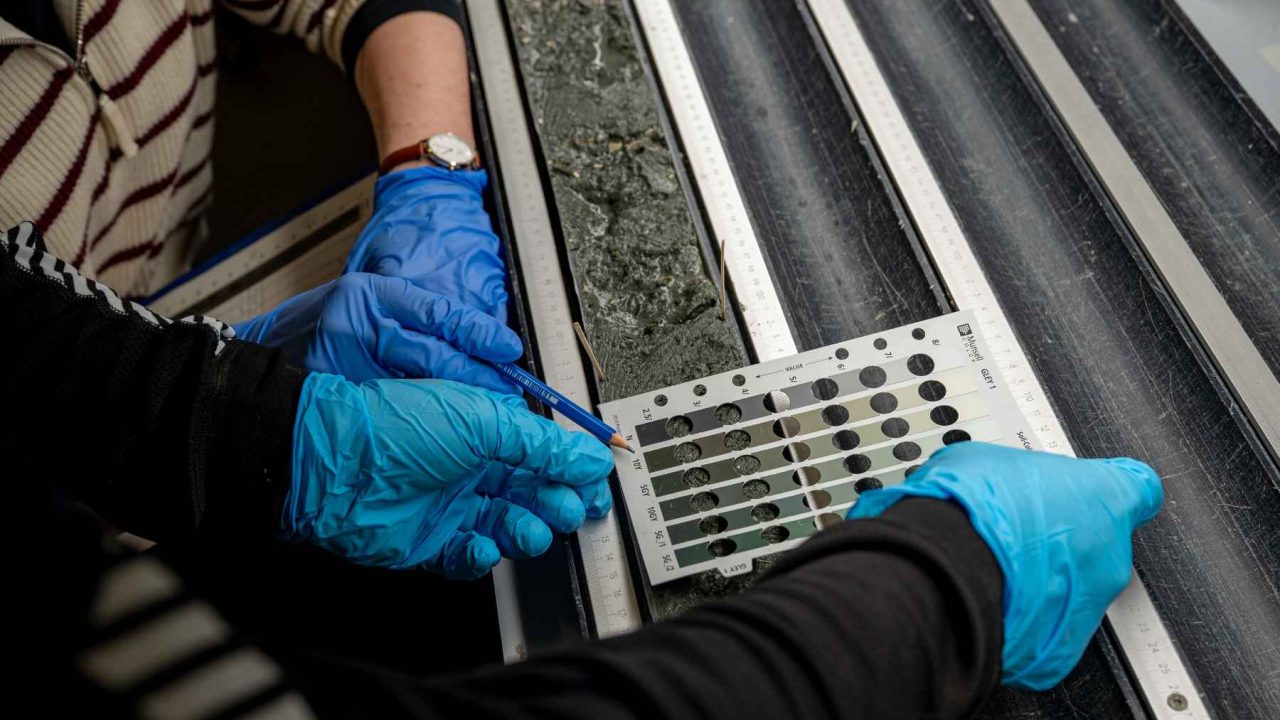
The confirmation came not from a satellite or a remote sensor, but from an old-fashioned approach — drilling. Researchers went down, recovered what was there, and measured it. What they found surprised even the scientists leading the work.
What Expedition 501 Actually Found Beneath the Seafloor
The mission responsible for this confirmation is called Expedition 501, a three-month scientific drilling operation focused on the continental shelf south of Massachusetts, near the islands of Nantucket and Martha’s Vineyard. The team drilled into the seafloor and recovered sediment cores along with roughly 13,000 gallons of water extracted from as deep as 1,300 feet below the seafloor.
The co-chief scientists named in connection with the expedition are Brandon Dugan and Rebecca Robinson, whose work helped confirm the scale and character of what lies beneath.
What the drilling revealed is a layered geological structure that acts like a natural storage system. Clay and silt form a sealed cap over sandier layers below. Those sandy layers behave like offshore aquifers — porous enough to hold water, protected enough to keep it relatively fresh for what appears to be a very long time.
The water quality findings were striking. The freshest samples recovered from the site actually meet U.S. drinking water standards. Even the samples from the farthest drilling site — where the water is more brackish — measured at only about half the salinity of normal seawater. That is a meaningful distinction. Desalinating water that is already half as salty as the ocean is a very different engineering challenge than treating full ocean water.
The Key Numbers From the Atlantic Offshore Aquifer Discovery
| Detail | Confirmed Data |
|---|---|
| Expedition name | Expedition 501 |
| Location | Continental shelf south of Massachusetts (near Nantucket and Martha’s Vineyard) |
| Drilling depth | Up to 1,300 feet (approximately 400 meters) below the seafloor |
| Water recovered during drilling | Approximately 13,000 gallons |
| Freshest samples | Meet U.S. drinking water standards |
| Most distant site salinity | Roughly half the salinity of normal seawater |
| Theoretical supply estimate | Could supply New York City for approximately 800 years |
| Co-chief scientists | Brandon Dugan and Rebecca Robinson |
- The aquifer sits beneath the Atlantic Ocean off the northeastern United States
- Clay and silt layers form a natural seal above the freshwater-bearing sandy sediments
- The reservoir qualifies as “freshened water” — significantly less salty than surrounding ocean water
- The 800-year supply estimate is theoretical, based on New York City’s scale of consumption
Why This Discovery Matters — Even If You Can’t Drink It Tomorrow
The phrase “800 years of water” is the kind of number that makes headlines. But researchers and water experts are careful to separate what has been confirmed from what remains aspirational. This is a scientific confirmation of a buried freshwater resource — not an announcement of a new municipal water supply ready to be tapped.
Accessing water nearly a quarter-mile beneath the ocean floor, offshore, involves engineering challenges that do not yet have proven solutions at this scale. The cost, the infrastructure, and the environmental considerations would all need to be worked through before a single drop reached a faucet in New York or anywhere else.
That said, the significance of the find should not be dismissed. Fresh water is becoming one of the defining resource pressures of this century. Aquifers on land are being drawn down faster than they can naturally recharge. Cities across the American West and beyond are already managing shortages. Knowing that a large, confirmed deposit of freshened water exists off the Atlantic coast — water that in its freshest form already meets drinking standards — changes the map of what future options might look like.
It also raises a broader scientific question: if this reservoir exists off the northeastern United States, what else might be buried beneath continental shelves around the world? Expedition 501’s findings could accelerate similar investigations in other coastal regions facing water stress.
What Comes Next for the Atlantic Offshore Aquifer
The immediate next step is scientific analysis. The sediment cores and water samples recovered during Expedition 501 will be studied to better understand how the aquifer formed, how large it truly is, and how the water quality varies across the formation. The 13,000 gallons of recovered water represent a dataset, not a supply — each sample is a data point helping researchers map what lies below.
Whether this discovery eventually leads to any kind of practical extraction program is a question that belongs to engineers, policymakers, and future generations of researchers. For now, the scientific community has done what it set out to do: confirm that the water is there, measure its quality, and begin to understand its structure.
That confirmation alone is significant. In a century where water security is no longer a background concern but an urgent reality for communities across the country and around the world, finding a hidden reservoir of this scale — even one that cannot be reached easily — is the kind of discovery that reshapes long-term thinking about where humanity’s fresh water might actually come from.
Frequently Asked Questions
Where exactly is the underwater freshwater reservoir located?
The aquifer sits beneath the Atlantic Ocean floor on the continental shelf south of Massachusetts, near Nantucket and Martha’s Vineyard, off the northeastern United States.
How deep did researchers have to drill to confirm the freshwater?
Expedition 501 drilled down to approximately 1,300 feet — roughly 400 meters — below the seafloor to recover water samples and sediment cores.
Is the water actually safe to drink?
The freshest samples recovered from the site meet U.S. drinking water standards, while samples from more distant sites measured at roughly half the salinity of normal seawater.
Could New York City actually use this water as a supply?
The 800-year estimate is theoretical. Accessing water nearly 400 meters beneath the ocean floor offshore involves significant engineering challenges that have not yet been resolved, and no extraction program has been confirmed.
Who led the scientific expedition that confirmed this discovery?
The co-chief scientists of Expedition 501 are Brandon Dugan and Rebecca Robinson, as identified in reporting on the mission.
How much water did the expedition actually recover during drilling?
Researchers recovered approximately 13,000 gallons of water during the three-month mission, which was used for scientific analysis rather than as a practical water supply.


Leave a Reply