
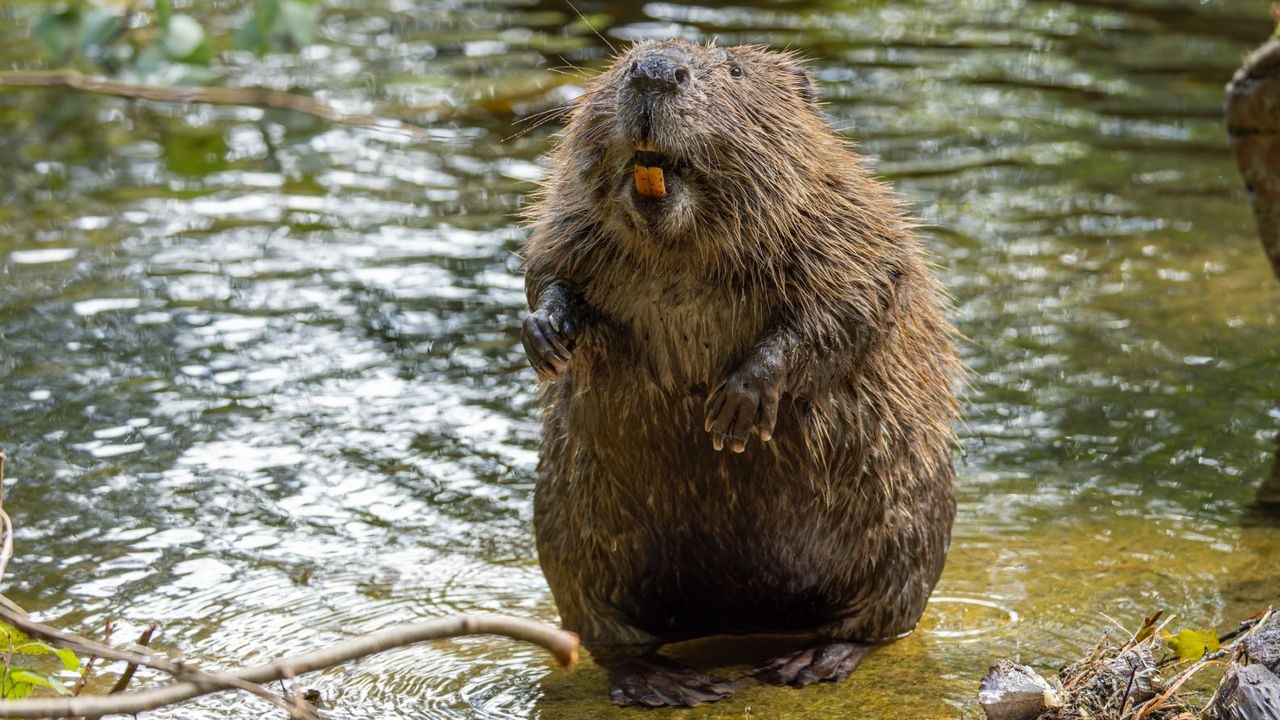
What if one of the most effective tools for fighting carbon emissions has been living in rivers and streams for millions of years — and we nearly hunted it out of existence? A new study suggests that beavers, long valued for their fur and their engineering instincts, may be doing something far more consequential: turning entire stream corridors into carbon-capturing machines.
According to new research, beaver dams and the ponds they create can transform a stream corridor into a net annual carbon sink — meaning the ecosystem draws in more carbon than it releases over the course of a year. That finding is more significant than it might sound, and it could reshape how conservationists and climate scientists think about wildlife reintroduction programs across Europe and beyond.
The study focuses on Eurasian beavers (Castor fiber), a species that was hunted nearly to extinction over centuries before gradual reintroduction efforts began taking hold. Now, researchers are finding that bringing these animals back may carry climate benefits that go well beyond what anyone previously measured.
How Beavers Became Unlikely Climate Allies
Beavers are natural engineers. They build dams from branches, mud, and debris, creating still-water ponds that fundamentally reshape the land around them. Wetlands slow water down, trap sediment, and support dense plant life — all conditions that tend to lock carbon into soil and organic matter rather than releasing it into the atmosphere.
What the new analysis suggests is that this carbon-trapping effect is larger than previously thought. Earlier estimates likely underestimated how much carbon a beaver-modified landscape can hold. The ponds and the surrounding vegetation, soil, and sediment all contribute to a system that, on balance, absorbs more carbon than it emits on an annual basis.
This matters because most climate strategies focus on large-scale industrial solutions — carbon capture technology, renewable energy transitions, reforestation programs. The idea that reintroducing a single animal species could meaningfully contribute to carbon sequestration is both surprising and, if the research holds up across different environments, potentially very useful.
What the Research Actually Found
The new analysis centers on Eurasian beavers and their impact on stream corridors — the broader zone of land and water surrounding a stream or river. The key finding is that beaver activity can flip the carbon balance of these areas, turning them from carbon-neutral or carbon-releasing zones into net sinks.
Researchers note that the implications are particularly significant for beaver reintroduction programs across Europe, where the species was hunted to near-extinction over centuries. As those populations recover and expand, the carbon benefits could compound over time and across wider geographic areas.
The study also raises questions about whether similar patterns would hold for other beaver species in other parts of the world — a question that researchers suggest warrants further investigation.
| Factor | What Beavers Do | Carbon Impact |
|---|---|---|
| Dam construction | Creates still-water ponds from flowing streams | Slows water, traps carbon-rich sediment |
| Wetland creation | Expands waterlogged, vegetated areas | Promotes carbon storage in soil and plants |
| Stream corridor transformation | Alters surrounding land and water balance | Can flip area to net annual carbon sink |
| Species reintroduction | Restores beaver populations across Europe | Potential for expanding carbon benefits over time |
Why This Finding Matters Beyond the Lab
The real-world implications here are hard to overstate — at least if the research proves replicable. European countries have been investing in beaver reintroduction for conservation and ecological restoration reasons. The carbon sequestration angle adds an entirely new layer of value to those programs.
For policymakers and environmental planners, this kind of nature-based solution is appealing precisely because it doesn’t require building anything or deploying new technology. It requires letting an animal do what it has always done — and then getting out of the way.
Supporters of rewilding programs have long argued that restoring lost species creates cascading ecological benefits. This research adds carbon capture to that list, which could strengthen the case for funding and expanding reintroduction efforts across the continent.
There’s also a broader lesson here about the hidden value of ecosystems that humans have degraded or disrupted. Beavers were once widespread across Europe. Their near-elimination didn’t just remove an animal — it likely removed a significant, if unrecognized, carbon-management function from the landscape.
The Question of Scale — and What Comes Next
The study’s authors acknowledge that the findings raise as many questions as they answer. Researchers note that if similar patterns hold in other regions and with other beaver species, the climate implications could extend well beyond Europe. But that’s a significant “if” — different landscapes, climates, and hydrological conditions could produce different results.
What seems clear is that beaver-engineered ecosystems deserve far more scientific attention from a climate perspective than they have historically received. The carbon sequestration capacity of these animals appears to have been consistently underestimated, and correcting that picture could change how wetland restoration and wildlife reintroduction programs are evaluated and funded.
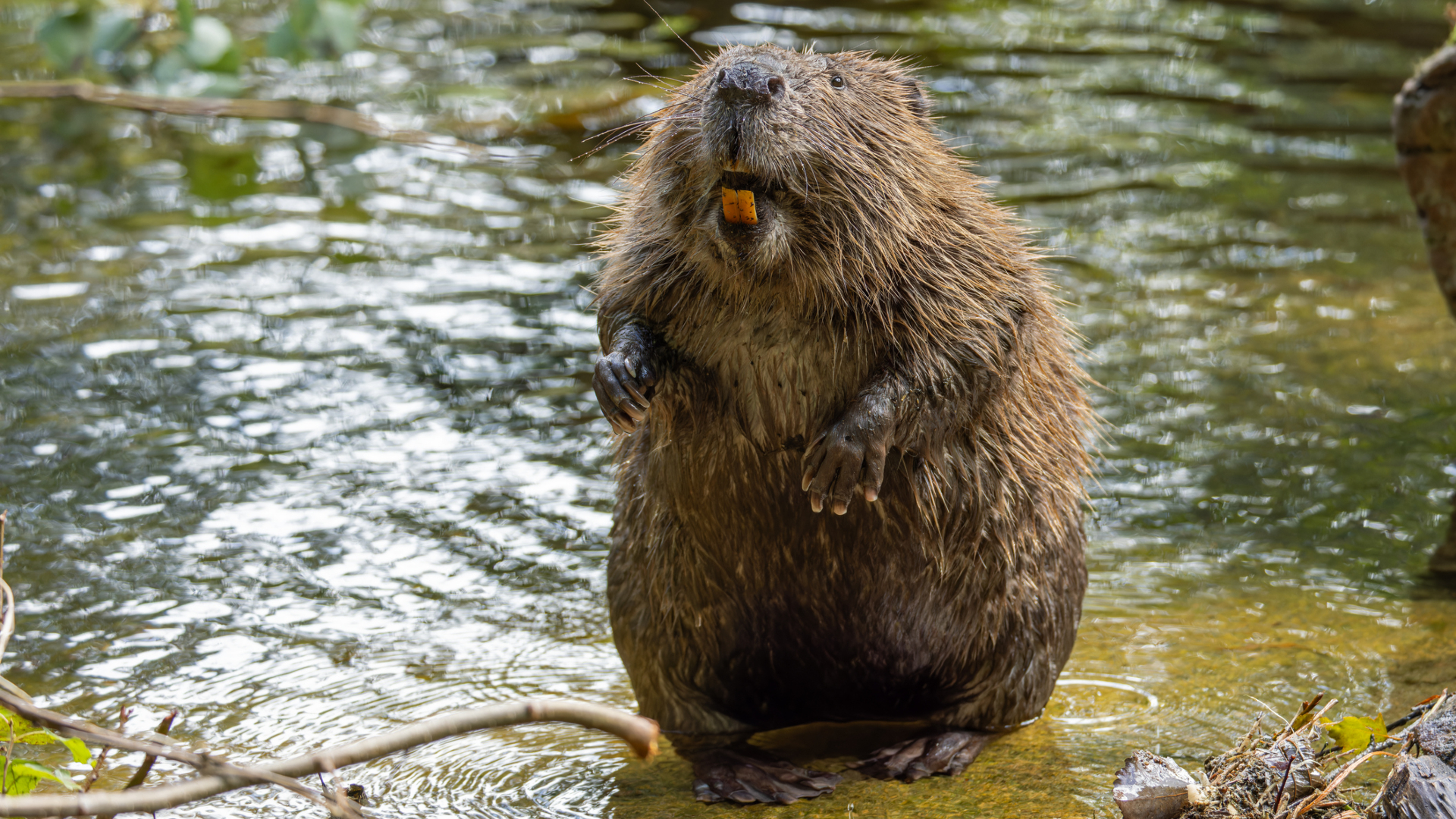
For now, Eurasian beaver populations continue to recover across parts of Europe, slowly reclaiming river corridors where they were absent for generations. Each dam they build, it turns out, may be doing more for the climate than anyone realized.
Frequently Asked Questions
What did the new beaver study find?
The study found that beaver dams and ponds can turn a stream corridor into a net annual carbon sink, meaning the area absorbs more carbon than it releases over the course of a year.
Which beaver species was studied?
The research focused on Eurasian beavers (Castor fiber), a species that was hunted to near-extinction across Europe over centuries before reintroduction efforts began.
How do beavers help capture carbon?
Beavers build dams that create ponds and wetland areas, which slow water flow, trap sediment, and support dense vegetation — all conditions that store carbon in soil and organic matter rather than releasing it into the atmosphere.
Does this apply to beavers in other parts of the world?
The researchers suggest that if similar patterns hold elsewhere, the carbon benefits could extend beyond Europe, but this has not yet been confirmed and warrants further investigation.
Why were beavers nearly wiped out in Europe?
Eurasian beavers were hunted to near-extinction over centuries, primarily for their fur. Reintroduction programs have been working to restore their populations across the continent.
What does this mean for conservation policy?
The findings add a climate dimension to the case for beaver reintroduction programs, suggesting that restoring beaver populations could contribute meaningfully to carbon sequestration alongside other ecological benefits.




Leave a Reply