
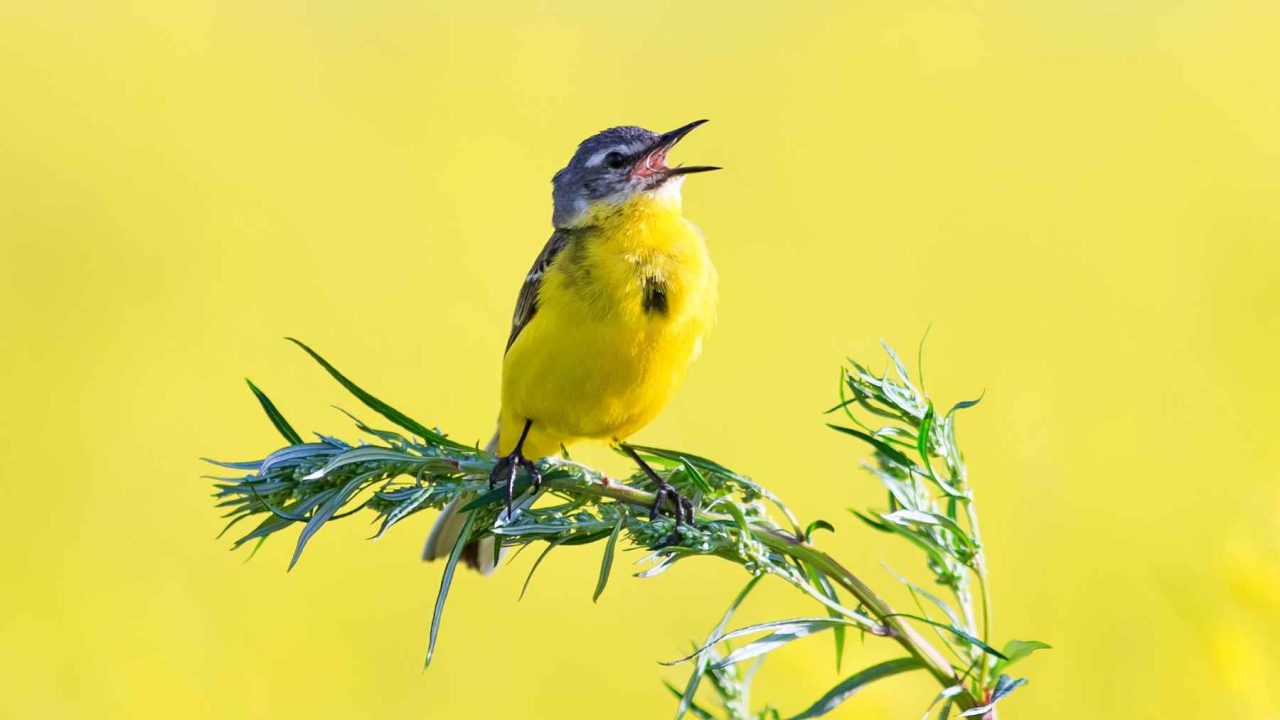
That sound drifting through your open window on a quiet afternoon — birds singing from a nearby tree or rooftop — turns out to be more meaningful than most people realize. Science suggests it carries information not just about the world outside, but about what might be happening inside your own mind and body.
Most people treat birdsong as pleasant background noise, something to tune out while the day gets busy. But researchers who study both ecology and human health have found that these sounds are layered with signals — about the health of your local environment, the quality of the habitat around your home, and the state of your own mental wellbeing. Hearing birds sing during the day, not just at dawn, is worth paying attention to.
There is also more nuance here than a simple feel-good story. Human-made noise and artificial light can push birds to sing at unusual hours, which means not every daytime chorus is a sign of a thriving natural environment. Understanding the difference matters.
Why Birds Sing During the Day — And What It Signals
Birdsong is not decorative. For most species, songs serve two core functions: defending territory and attracting mates. Shorter, simpler calls handle more immediate needs — staying in contact with other birds, sounding alarms, coordinating movement.
The famous dawn chorus is well-documented, but singing does not stop when morning ends. During breeding season especially, birds continue vocalizing well past sunrise because rivals and potential mates remain active throughout the day. When a bird sings from a tree in your yard at midday, it is essentially broadcasting a message: this space is occupied, and I am here to defend it.
That kind of sustained daytime singing typically points to something important: the bird has found usable habitat. It feels safe enough to be loud and visible. The surrounding soundscape is not drowning out its communication. These are all signs of a local environment that is functioning reasonably well — one where wildlife can actually live, not just pass through.
What Birdsong Near Your Home Really Tells You
Hearing birds sing consistently around your home during daylight hours can reflect several overlapping conditions, all worth understanding.
- Habitat quality: Birds tend to invest in loud, repeated songs in places where they can communicate effectively and feel relatively safe. A yard or neighborhood that supports regular daytime singing likely offers food, shelter, or nesting opportunities.
- Low noise pollution: Acoustic environments matter. In areas with heavy traffic noise or constant urban sound, birds struggle to be heard — and often shift their behavior as a result. Daytime singing in your area may suggest a soundscape that has not been completely overtaken by human-made noise.
- Breeding season activity: Sustained daytime song is especially common during breeding periods, when territory defense and mate attraction are at their peak. If you are hearing more birds in spring and early summer, that timing is not coincidental.
- A caveat about artificial light: Human-made light can disrupt birds’ natural rhythms, sometimes causing them to sing at unexpected hours. Not every unusual timing reflects ecological health — sometimes it reflects disruption.
| Type of Birdsong | Primary Purpose | When It Typically Occurs |
|---|---|---|
| Full territorial song | Defending territory, attracting mates | Dawn chorus and throughout breeding season |
| Short contact calls | Staying connected with flock or mate | Throughout the day, year-round |
| Alarm calls | Warning others of nearby threats | Triggered by disturbance at any time |
| Daytime sustained song | Territory reinforcement during active hours | Especially common during breeding season |
The Science Connecting Birdsong and Mental Health
Beyond what birdsong reveals about the environment, research suggests it may also affect the people listening. Nature sounds — and birdsong in particular — have been linked in multiple studies to measurable improvements in mental wellbeing. Stress reduction, improved mood, and a greater sense of calm are among the outcomes researchers have associated with exposure to natural soundscapes.
The connection makes intuitive sense. Humans evolved surrounded by natural environments, and sounds associated with safe, living ecosystems may trigger responses in the brain that reduce alertness and anxiety. A chorus of birds in daylight has historically been a signal that the environment around you is not under immediate threat.
This does not mean birdsong is a substitute for mental health care. But it does suggest that the presence of birds near your home is not a trivial thing — and that actively creating or preserving conditions that attract birds could have benefits that extend beyond ecology.
How Human Activity Changes the Picture
The relationship between birds and urban or suburban environments is not straightforward. Noise pollution can mask birdsong entirely, forcing some species to sing at higher pitches or different times to be heard. Artificial light at night disrupts circadian rhythms in birds, sometimes triggering singing behavior at hours that have nothing to do with natural cycles.
So if you hear birds singing at 2 a.m. outside a streetlamp, that is a different story than hearing them on a bright, quiet afternoon. One reflects ecological disruption; the other more likely reflects a habitat that is working.
Paying attention to when and how birds are singing around your home can actually tell you something useful about the quality of your local environment — and about the pressures that wildlife in your area may be navigating.
What You Can Do to Encourage More of It
If hearing birds near your home has become less common, or you want to support the conditions that attract them, the general guidance from ecologists points in a consistent direction.
- Native plants provide food sources and shelter that birds have evolved to rely on
- Reducing outdoor artificial lighting at night helps protect birds’ natural behavioral rhythms
- Minimizing pesticide use protects insect populations that many bird species depend on for food
- Providing fresh water, especially in dry or hot months, can make a yard more hospitable
- Keeping outdoor cats inside reduces one of the largest human-associated threats to bird populations
None of this requires a large yard or a rural location. Even small urban spaces can support bird activity when conditions are right — and the evidence suggests the benefits flow in both directions.
Frequently Asked Questions
Why do birds sing during the day and not just at dawn?
Birdsong continues well past the dawn chorus, especially during breeding season, because rivals and potential mates remain active throughout the day. Territory defense and mate attraction drive sustained daytime singing.
Does hearing birds sing near my home mean the local environment is healthy?
It can be a positive sign, as birds tend to sing loudly in places where they feel safe and can communicate effectively. However, artificial light and noise pollution can also alter when and why birds sing, so context matters.
Can birdsong actually affect my mental health?
Research has linked natural soundscapes, including birdsong, to measurable improvements in mood and stress levels.
What is the difference between a bird’s song and its calls?
Songs are typically longer and more complex, used for territory defense and attracting mates. Calls are shorter and serve more immediate purposes like contact, coordination, and sounding alarms.
Can human-made light or noise cause birds to sing at the wrong time?
Yes. Artificial light can disrupt birds’ natural rhythms and trigger singing at unusual hours, and heavy noise pollution can force birds to change their vocal behavior. Not every instance of unusual timing reflects a healthy environment.
What can I do at home to attract more birds?
Planting native species, reducing artificial outdoor lighting, minimizing pesticide use, and providing fresh water are among the most widely recommended steps for creating bird-friendly conditions around a home.




Leave a Reply