
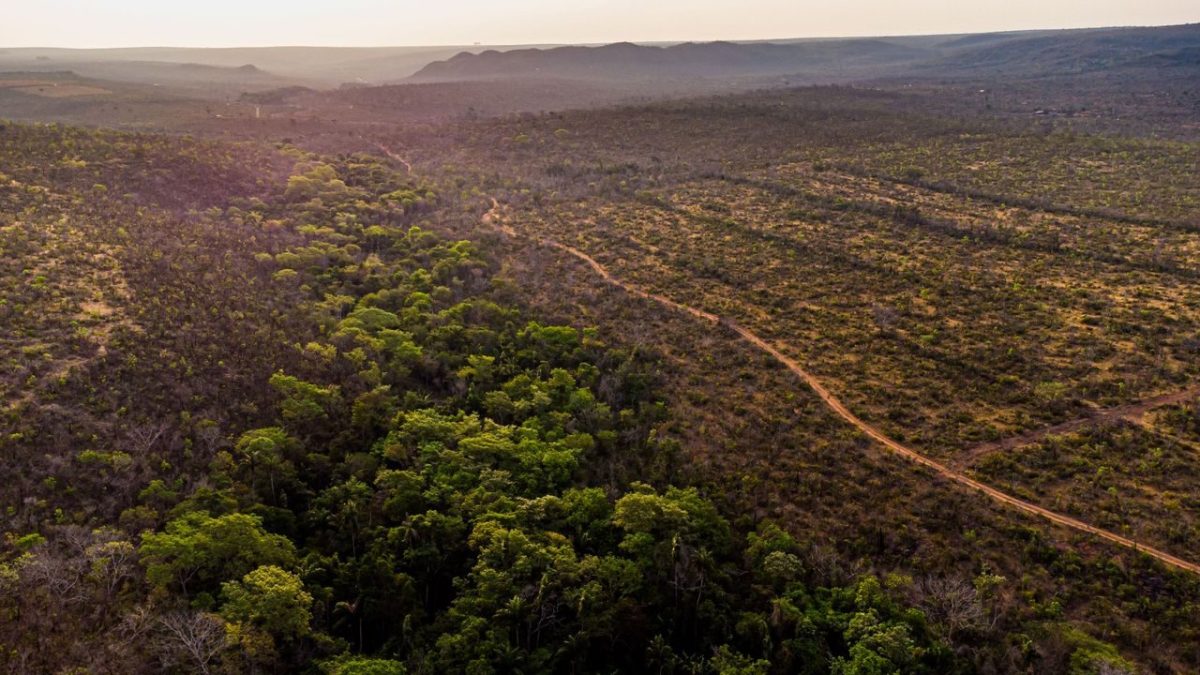
Brazil’s Cerrado savanna stores carbon equivalent to roughly 20% of what the Amazon rainforest holds — and most people have never heard of it. New research is now putting hard numbers to what scientists have long suspected: this vast, underprotected ecosystem is far more critical to the planet’s climate future than it has ever been given credit for.
The Cerrado is the second-largest biome in all of South America, covering approximately 26% of Brazil’s total land area. That makes it enormous by any measure. Yet for decades it has lived in the shadow of its more famous neighbor, the Amazon, drawing far less international attention, conservation funding, or public awareness — despite playing an equally vital role in the region’s ecological balance.
That gap between the Cerrado’s importance and its protection is exactly what makes the new findings so striking. The research highlights not just how much carbon this savanna holds, but how much the world stands to lose if deforestation and agricultural expansion continue to eat away at it.
What the Cerrado Actually Is — and Why It Matters
The Cerrado is often described simply as a “savanna,” which can conjure images of dry, sparse grassland. But that description undersells it significantly. This biome is home to more than 12,000 plant species and supports a remarkable diversity of animal life, making it one of the most biodiverse savannas on Earth.
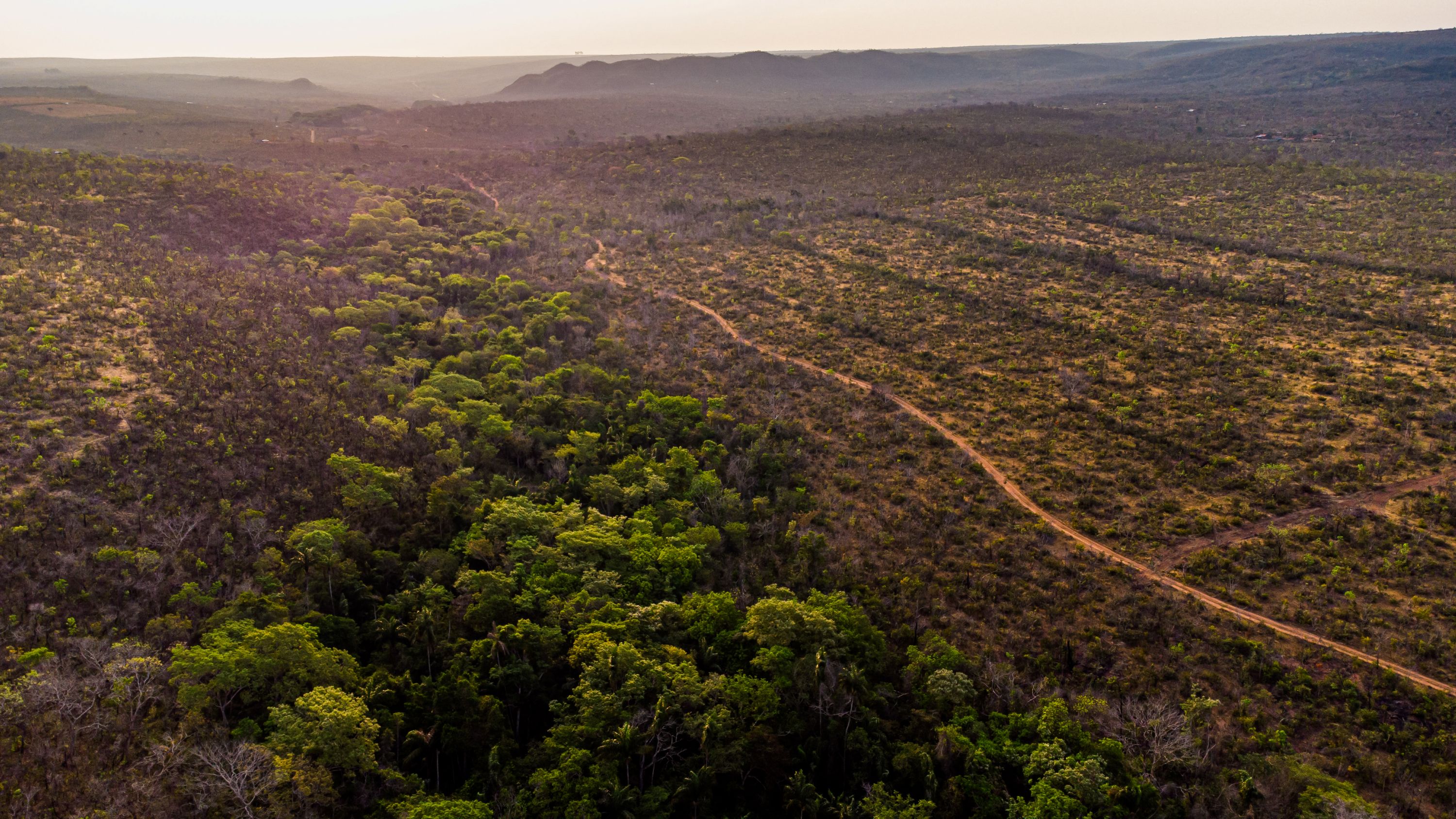
What sets it apart from other tropical savannas is its relationship with water. The Cerrado is speckled with groundwater-fed wetlands that serve as the headwaters for two-thirds of Brazil’s major waterways — including the Amazon River itself. That means the Cerrado isn’t just sitting next to the Amazon; in a very real sense, it helps feed it.
Researchers and conservationists argue this makes the Cerrado a dual-purpose ecosystem: a carbon sink and a water tower, both at once. Lose the Cerrado, and you don’t just lose its carbon storage — you potentially destabilize the hydrology of an entire continent.
The Carbon Numbers That Should Change the Conversation
The headline finding from the new research is the carbon storage figure. According to the study, the Cerrado stores carbon at a level equivalent to approximately 20% of what the Amazon rainforest holds. For a biome that receives a fraction of the Amazon’s conservation attention, that is a staggering number.
It matters because carbon stored in living vegetation and soil is carbon that is not in the atmosphere. When land is cleared — whether for cattle ranching, soy farming, or urban development — that stored carbon is released, accelerating climate change. The Cerrado has already lost significant portions of its original cover to agriculture, and what remains is under continued pressure.
| Feature | Cerrado Savanna |
|---|---|
| Rank among South American biomes | Second-largest |
| Share of Brazil’s land area | Approximately 26% |
| Known plant species | More than 12,000 |
| Carbon storage (relative to Amazon) | Equivalent to ~20% of Amazon rainforest |
| Share of Brazil’s major waterways sourced here | Two-thirds |
| Notable waterways originating here | Includes the Amazon River |
The Part of This Story Most Reports Are Missing
Carbon storage tends to dominate climate headlines, and for good reason. But the Cerrado’s role in water security may be just as consequential — and it gets far less attention.
Because the biome contains the headwaters for two-thirds of Brazil’s major river systems, its health directly affects the freshwater supply for hundreds of millions of people downstream. The wetlands embedded within the Cerrado act as natural reservoirs and filtration systems, regulating the flow of water into rivers that communities, farms, and cities depend on year-round.
Researchers describe this as a compounding risk: as the Cerrado shrinks, both its carbon storage capacity and its water regulation function degrade simultaneously. The effects aren’t abstract — they show up as lower river levels, reduced agricultural productivity, and increased vulnerability to drought across a vast portion of South America.
Why the Cerrado Remains Underprotected
Despite its ecological significance, the Cerrado has historically received far less conservation attention and legal protection than the Amazon. Advocates argue this is partly a perception problem — savannas are not as visually dramatic as dense rainforest, and the word “savanna” doesn’t carry the same emotional weight as “rainforest” in global environmental discourse.
There are also economic pressures. The Cerrado sits atop some of Brazil’s most productive agricultural land, and the region has been central to the country’s rise as a global food exporter. Soy and cattle production have expanded substantially into Cerrado territory over recent decades, with weaker legal protections compared to the Amazon making it easier to clear.
The result is a biome that is ecologically irreplaceable but politically and legally vulnerable — a combination that conservationists have long warned is a recipe for permanent, large-scale loss.
What Comes Next for the Cerrado
The new research adds scientific weight to arguments that the Cerrado deserves the same level of international conservation focus currently directed at the Amazon. Whether that translates into policy changes, stronger land protections, or greater inclusion in global climate financing frameworks remains to be seen.
Brazil’s government has faced ongoing pressure from both domestic and international groups to strengthen protections for the Cerrado, particularly as climate commitments made under international agreements require accounting for carbon stored outside of primary rainforest. Studies like this one provide the kind of quantified evidence that can inform those negotiations.
For now, the research stands as a clear signal: the Cerrado is not a secondary ecosystem. It is a carbon store, a biodiversity hub, and a water source for a continent — and it is running out of time to receive the protection that status demands.
Frequently Asked Questions
What is the Cerrado savanna?
The Cerrado is the second-largest biome in South America, covering about 26% of Brazil. It is a biodiverse savanna home to more than 12,000 plant species and diverse animal life.
How much carbon does the Cerrado store?
According to new research, the Cerrado stores carbon equivalent to approximately 20% of what the Amazon rainforest holds, making it a significant and underappreciated carbon sink.
Why is the Cerrado important for water?
The Cerrado contains groundwater-fed wetlands that serve as the headwaters for two-thirds of Brazil’s major waterways, including the Amazon River, making it critical for regional water security.
Is the Cerrado protected like the Amazon?
The Cerrado has historically received far less legal protection than the Amazon, leaving it more vulnerable to agricultural expansion and deforestation despite its ecological importance.
How many plant species live in the Cerrado?
The Cerrado is home to more than 12,000 plant species, establishing it as one of the most biodiverse savannas on the planet.
Could losing the Cerrado affect the Amazon River?
Yes — because the Cerrado contains the headwaters for major Brazilian river systems including the Amazon, degradation of the Cerrado could directly impact river flow and water availability across the region.



Leave a Reply