
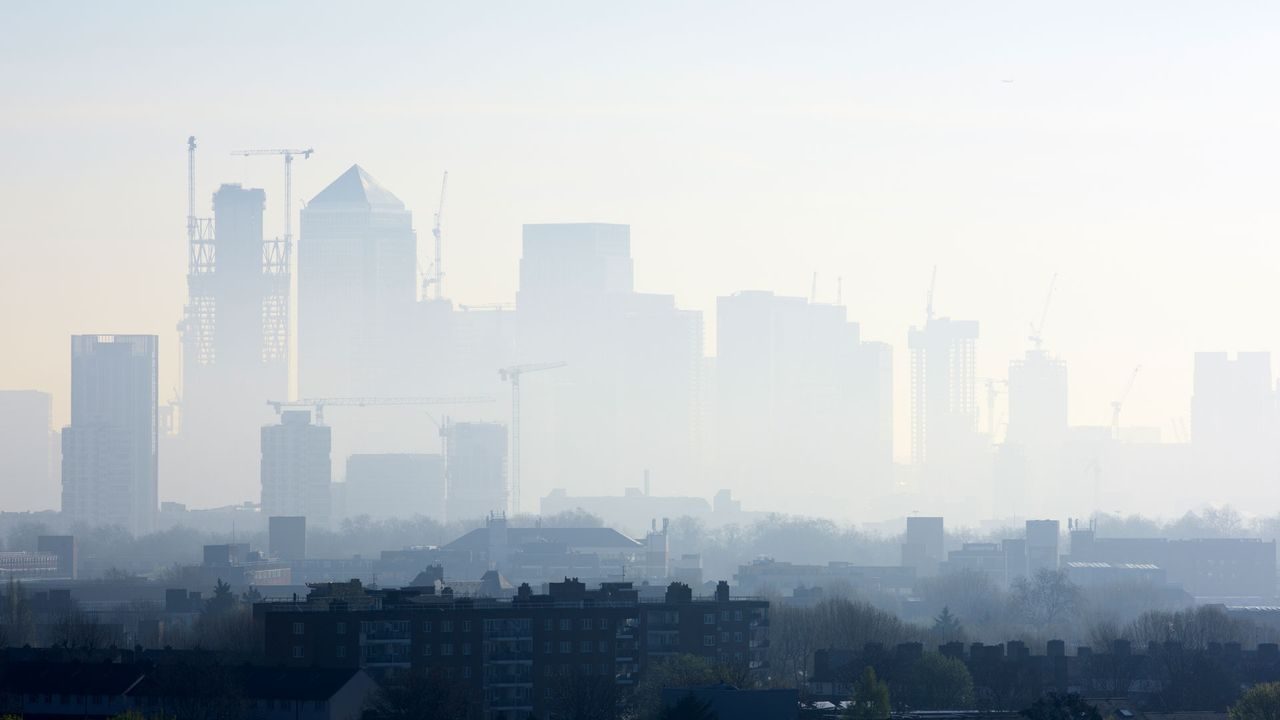
Cars on American roads today are 99% cleaner than they were in 1970. That single statistic tells one of the most remarkable — and underappreciated — environmental success stories in modern history. And it traces back, in large part, to one state deciding it had breathed enough poisoned air.
California’s battle against smog, which intensified through the 1970s, helped drive the development and widespread adoption of what many environmental scientists consider the most consequential clean-air technology ever invented: the catalytic converter. The ripple effects of that fight didn’t just clear the skies over Los Angeles. They changed the air quality across the entire United States — and ultimately the world.
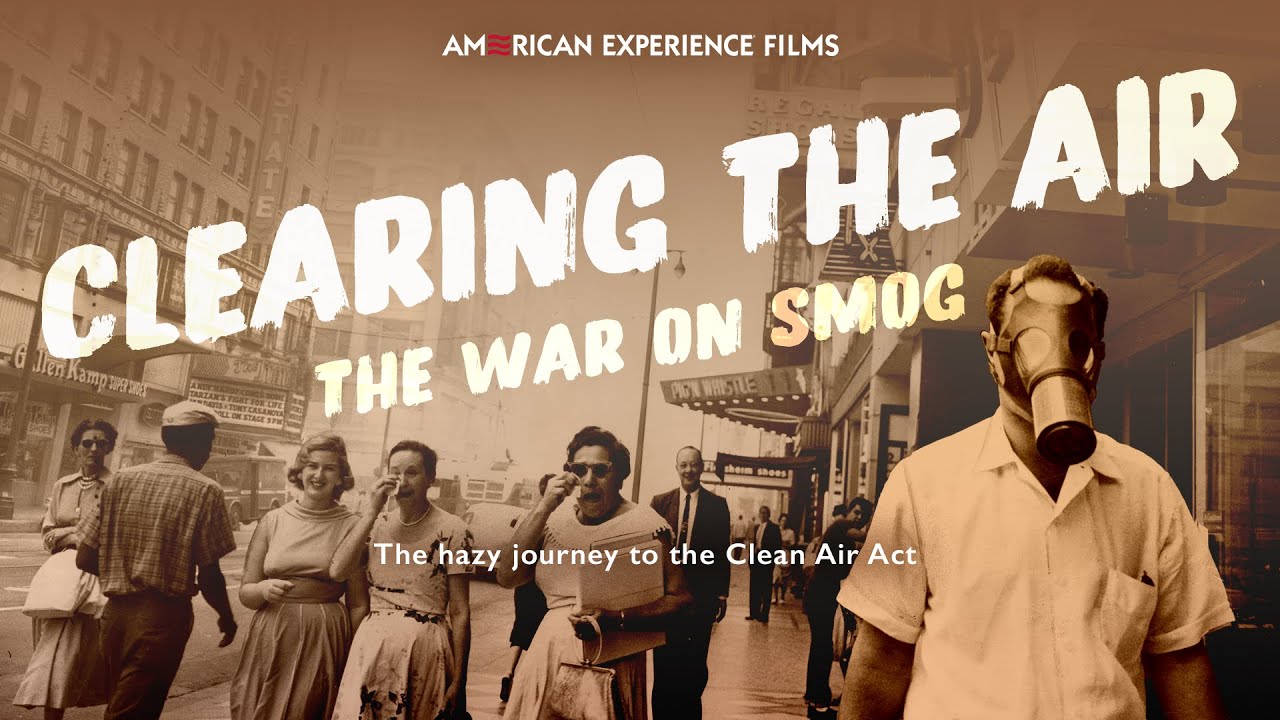
The numbers behind that transformation are striking. In Los Angeles alone, lead levels in the air were 50 times higher in the 1970s than they are today. And as airborne lead dropped, so did the amount of lead measured in children’s blood — a public health outcome with enormous long-term consequences for entire generations of Americans.
Why California Was Ground Zero for the Smog Crisis
Before catalytic converters became standard equipment, starting a gas-powered vehicle meant pumping a toxic cocktail of pollutants into the surrounding air. Unburned hydrocarbons, carbon monoxide, and nitrogen oxides poured out of tailpipes with essentially no filtration. In a basin city like Los Angeles — surrounded by mountains that trap air close to the ground — the results were visible and dangerous.
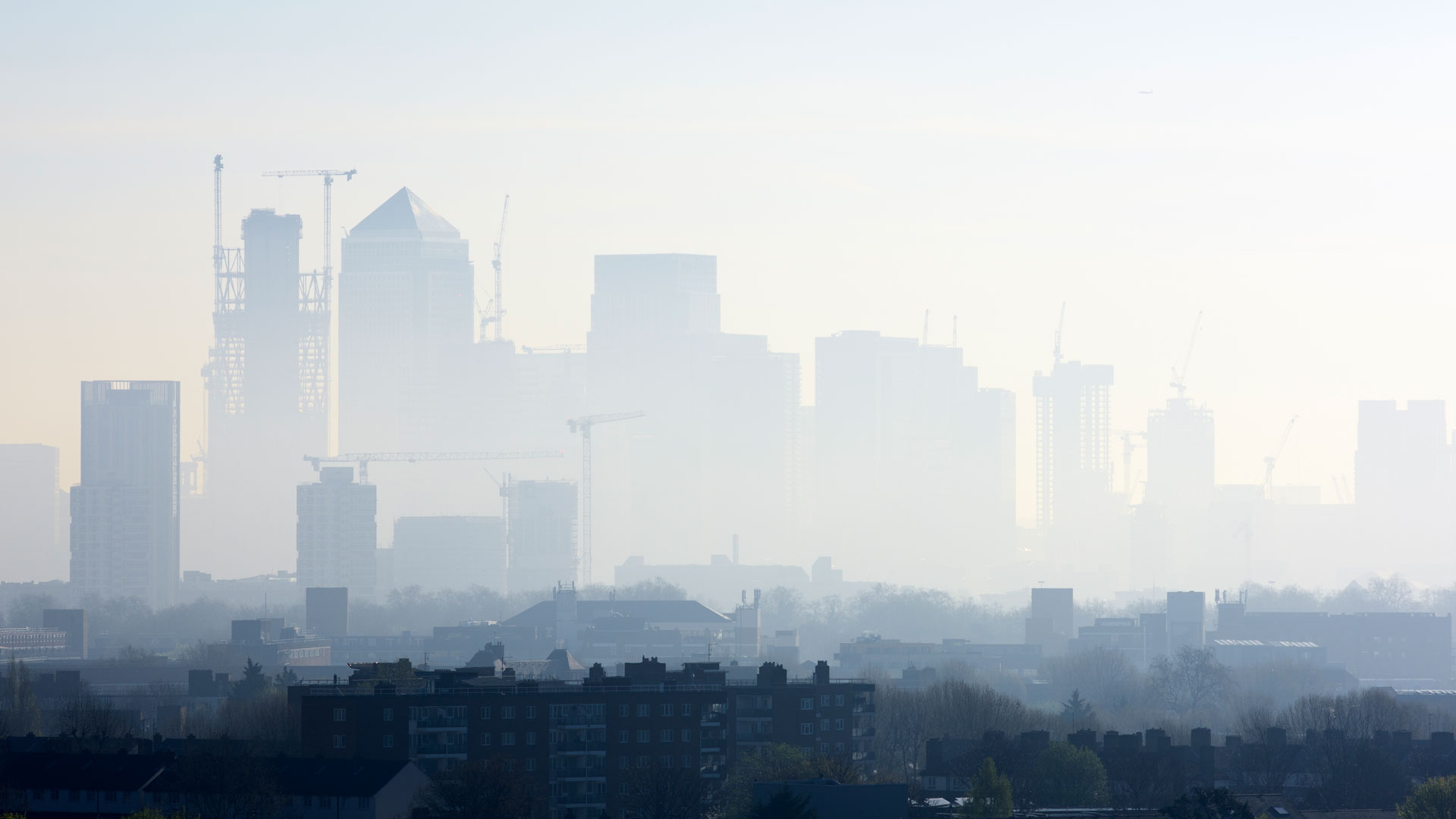
Smog in mid-century Los Angeles wasn’t just an aesthetic problem. It burned eyes, damaged lungs, and settled over the city like a brown ceiling. California’s geography made the problem more acute than almost anywhere else in the country, which is part of why the state moved aggressively to address it while federal standards were still catching up.
That pressure from California — a state large enough to essentially set its own automotive market — pushed car manufacturers to engineer solutions they might otherwise have delayed. The catalytic converter, which chemically transforms harmful exhaust gases into less toxic compounds before they leave the tailpipe, emerged as the critical answer.
What the Catalytic Converter Actually Did to American Air
The scale of the improvement that followed widespread catalytic converter adoption is difficult to overstate. The technology didn’t just reduce emissions incrementally — it transformed the baseline of what a car’s exhaust looked and functioned like.
The comparison between 1970 and today tells the story clearly:
| Metric | 1970s Levels | Today |
|---|---|---|
| Vehicle emissions (overall) | Baseline (100%) | 99% cleaner |
| Lead levels in Los Angeles air | 50x higher than today | Dramatically reduced |
| Lead in children’s blood | Significantly elevated | Substantially lower |
These aren’t marginal gains. A 99% reduction in vehicle emissions represents a near-total overhaul of what cars put into the atmosphere. For context, that kind of reduction is the difference between a problem that dominates public health conversations and one that has largely receded from everyday concern — even as the number of cars on the road has grown enormously since 1970.
The Lead Story Is the Part Most People Don’t Know
Air quality improvements often get discussed in terms of smog visibility or respiratory health. But one of the most consequential outcomes of California’s anti-smog campaign was the reduction in airborne lead — and what that meant for children’s neurological development.
Lead is a potent neurotoxin. Elevated blood lead levels in children are associated with cognitive impairment, behavioral problems, and reduced IQ. For decades, leaded gasoline was a primary source of environmental lead exposure, dispersing the metal into the air every time a vehicle burned fuel.
The phase-out of leaded gasoline — accelerated by the same regulatory momentum that drove catalytic converter adoption, since lead also damages the converters themselves — contributed directly to the plummeting lead levels documented in Los Angeles and cities across the country. Some researchers have argued this reduction in childhood lead exposure had cascading positive effects on public health and social outcomes that extended well beyond air quality alone.
Why This History Still Matters Right Now
The story of California’s smog war isn’t just historical. It carries a direct lesson about what happens when regulatory pressure forces technological innovation.
Before the standards existed, there was little market incentive for automakers to develop cleaner engines. The catalytic converter wasn’t invented because car companies spontaneously decided to clean up their exhaust. It was engineered because California — and eventually the federal government — made the alternative unacceptable.
That dynamic is worth understanding clearly:
- Environmental standards created a problem that engineers had to solve
- The solution turned out to be more effective than many anticipated
- The benefits extended far beyond the original target — reducing not just smog but lead contamination and its downstream health effects
- The technology, once developed, was applied broadly, improving air quality nationwide
Advocates who point to this history argue it demonstrates that ambitious clean-air targets don’t simply impose costs — they can drive innovation that produces benefits nobody fully predicted at the outset.
What Comes Next in the Clean Air Story
The catalytic converter transformed fossil-fuel vehicles. But the broader trajectory of automotive technology is now moving toward electric vehicles, which eliminate tailpipe emissions entirely. California has again positioned itself at the leading edge of that transition, setting targets for phasing out new gasoline-powered car sales.
Whether that shift produces gains as dramatic as the catalytic converter revolution remains to be seen. But the 1970s precedent suggests that when a large, determined market sets aggressive standards, the engineering tends to follow — and the public health benefits can be larger than anyone expected when the fight began.
The air over Los Angeles today, while far from perfect, is a measurable testament to what that earlier battle achieved. Fifty times less lead. Ninety-nine percent cleaner exhaust. A generation of children with lower blood lead levels than their parents carried. That’s the legacy of a war on smog that most people have already forgotten — but whose effects they breathe every single day.
Frequently Asked Questions
How much cleaner are cars today compared to 1970?
Cars on the road today are 99% cleaner than they were in 1970, according to the source reporting on California’s air quality history.
How much higher were lead levels in Los Angeles air in the 1970s?
Lead levels in Los Angeles air were 50 times higher in the 1970s than they are today.
What is a catalytic converter and why does it matter?
A catalytic converter is a device fitted to a vehicle’s exhaust system that chemically transforms harmful gases into less toxic compounds. It has been described as arguably the most important environmental technology ever invented.
Did the drop in air pollution affect children’s health?
Yes — as airborne lead levels fell following the phase-out of leaded gasoline and the adoption of catalytic converters, the amount of lead measured in children’s blood also dropped significantly.
Why did California lead the fight against vehicle emissions?
California’s geography — particularly its mountain-ringed basins that trap air pollution close to the ground — made smog especially severe in cities like Los Angeles, giving the state strong motivation to act before federal standards caught up.
Did reducing vehicle emissions have any unexpected benefits?
The reduction in airborne lead was one major unexpected benefit, with downstream effects on children’s neurological health that extended well beyond what the original air quality campaign had targeted.



Leave a Reply