
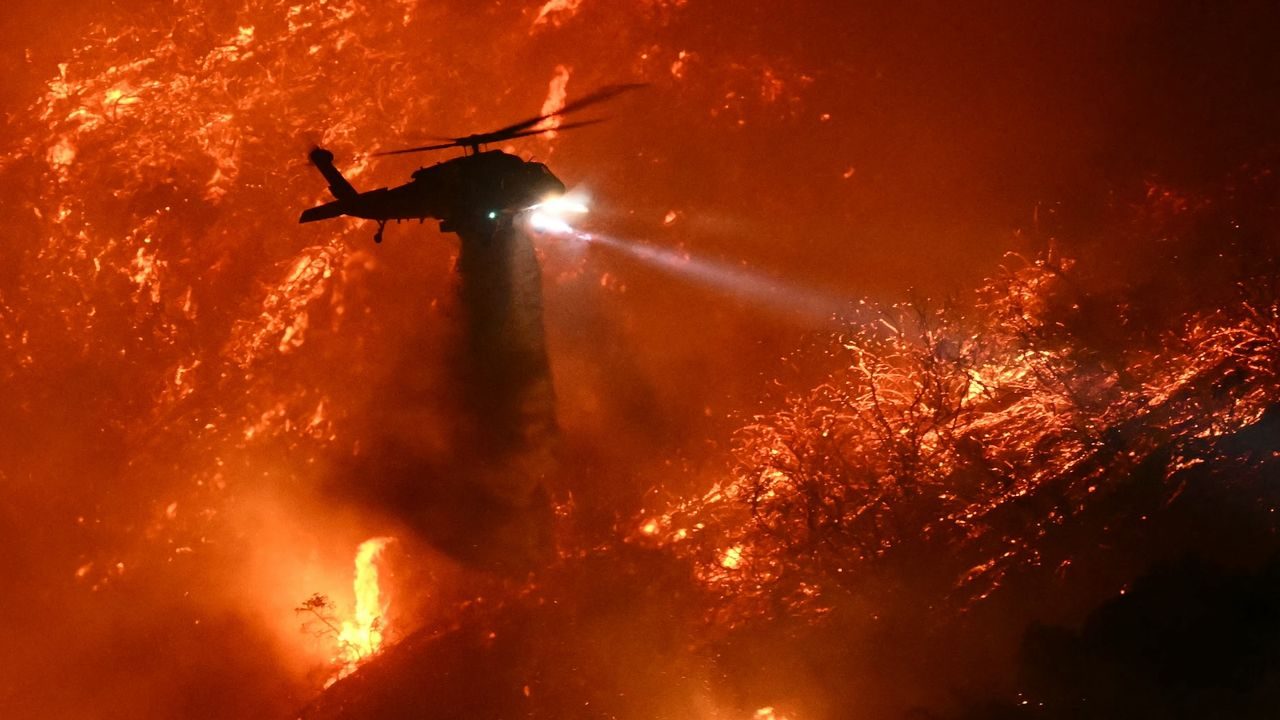
Every single state in the American West is now projected to face an above-normal wildfire threat this summer — a warning that marks a dramatic shift from just a few months ago and puts millions of people across the region on notice.
The projections come from the National Interagency Coordination Center, a government-run agency that releases monthly outlooks forecasting fire risk for the four months ahead. Their latest report, released on a Wednesday, paints a sobering picture for the western United States — and the change since the March outlook is described as staggering.
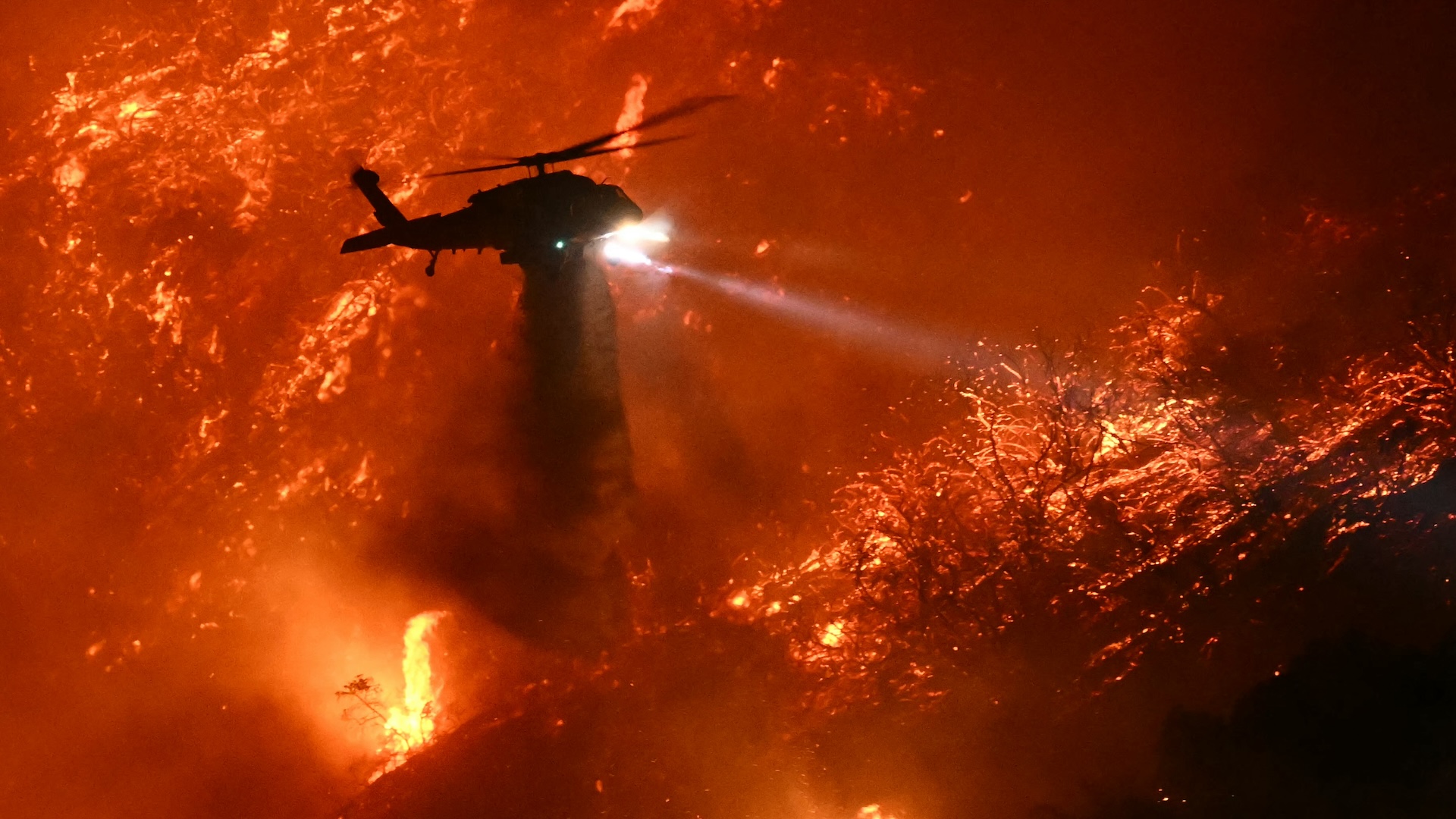
If you live anywhere in the West, this forecast is directly relevant to your safety, your property, and your community’s preparedness. Here’s what the new maps show and why fire officials are paying close attention.
What the National Interagency Coordination Center Is Warning
The National Interagency Coordination Center publishes these outlooks every month, giving emergency managers, firefighters, and the public a forward-looking picture of where wildfire conditions are most likely to become dangerous. The reports typically project risk across a rolling four-month window.
What makes this latest release notable isn’t just the elevated risk levels themselves — it’s the breadth of the warning. According to the projections, every state in the West is expected to face an above-normal threat. That’s not a handful of high-risk zones scattered across a map. That’s a region-wide forecast covering an enormous stretch of the country.
Officials note the shift since the March outlook is significant. In other words, conditions have deteriorated considerably in the agency’s modeling over a short period of time, pushing more areas into elevated risk categories than were flagged just weeks earlier.
Why Wildfire Risk Across the West Has Escalated So Sharply
Wildfire risk is driven by a combination of factors — drought conditions, vegetation dryness, temperature, wind patterns, and how much fuel has accumulated on the ground from previous fire seasons. When several of those variables move in the wrong direction at once, risk levels can rise quickly.
The western United States has faced persistent drought conditions in recent years, and warming temperatures associated with long-term climate trends have extended the fire season and dried out vegetation that would otherwise act as a natural buffer. These aren’t one-season problems — they represent a structural shift in how fire behaves across the landscape.
The fact that the agency’s own month-over-month comparison shows such a dramatic change suggests that recent weather patterns have accelerated the drying of fuels, pushing more of the region into dangerous territory ahead of the traditional peak fire months.
Which Areas Face the Greatest Wildfire Threat This Summer
The National Interagency Coordination Center uses elevated risk designations on its monthly maps to flag areas where fire conditions are expected to exceed normal seasonal levels. According to the latest projections, those designations now cover the entire western United States.
While The key confirmed facts from the latest outlook include:
- Every western state is projected to face above-normal wildfire threat this summer
- The outlook covers a four-month forward projection period
- The change from the March outlook to the current release is described as staggering
- The projections were released by the National Interagency Coordination Center
- The agency publishes these reports on a monthly basis
| Detail | What Is Confirmed |
|---|---|
| Issuing agency | National Interagency Coordination Center |
| Report frequency | Monthly |
| Projection window | Four months ahead |
| Geographic scope of above-normal risk | Every state in the western United States |
| Comparison to March outlook | Change described as staggering |
| Release timing | Wednesday (most recent monthly report) |
What This Means for People Living in the West
An above-normal wildfire threat forecast doesn’t mean a fire is guaranteed to burn near your home — but it does mean conditions are more favorable for ignition, faster spread, and larger fires than would typically be expected for the season. That distinction matters when it comes to preparation.
For residents across the West, this kind of regional outlook is a signal to take practical steps now rather than waiting for a fire to start nearby. That means reviewing evacuation routes, clearing defensible space around homes, checking emergency supply kits, and staying informed through local emergency management channels.
For firefighting agencies, an above-normal outlook triggers resource pre-positioning — moving equipment, crews, and air support into areas most likely to need them. When risk is elevated across an entire region simultaneously, that coordination becomes significantly more complex, since there are fewer resources available to shift from lower-risk areas to higher-risk ones.
Communities that have already experienced devastating fires in recent years may find the forecast especially sobering. Burned areas can paradoxically become high-risk zones again as new vegetation grows back in, creating fresh fuel loads in places that were previously cleared by fire.
What Comes Next as Fire Season Approaches
The National Interagency Coordination Center will continue releasing updated monthly outlooks, which means the projections will be refined as actual weather conditions develop through the spring and into summer. Fire risk forecasting improves in accuracy the closer it gets to the actual period in question, so subsequent reports will give a sharper picture of where the greatest dangers are concentrated.
Emergency managers and state fire agencies across the West are expected to use these projections to guide staffing decisions, public communications, and coordination with federal fire resources. Residents in elevated-risk areas are encouraged to monitor local fire agency communications and heed any evacuation warnings or red flag conditions as the season progresses.
The broader trend, however, is difficult to ignore. When every western state lands in the above-normal risk category simultaneously, it reflects something larger than a single season’s weather pattern — it reflects how fundamentally fire conditions across the region have changed.
Frequently Asked Questions
Who released the new wildfire risk projections?
The projections were released by the National Interagency Coordination Center, a government-run agency that publishes monthly fire risk outlooks.
How far ahead do the wildfire risk maps project?
The agency’s monthly reports project fire risk for the four months ahead.
Which states are affected by the above-normal wildfire threat?
According to the latest outlook, every state in the western United States is expected to face an above-normal wildfire threat this summer.
How does this forecast compare to earlier projections?
The change since the March outlook is described as staggering, indicating a significant deterioration in projected fire conditions across the region over a short period.
How often does the National Interagency Coordination Center update its fire outlook?
The agency publishes updated fire risk outlooks on a monthly basis.
Does an above-normal threat mean wildfires are certain to occur?
An above-normal threat means conditions are more favorable than usual for wildfire ignition and spread, but it does not guarantee fires will occur in any specific location. Residents are advised to prepare and stay informed through local emergency channels.




Leave a Reply