
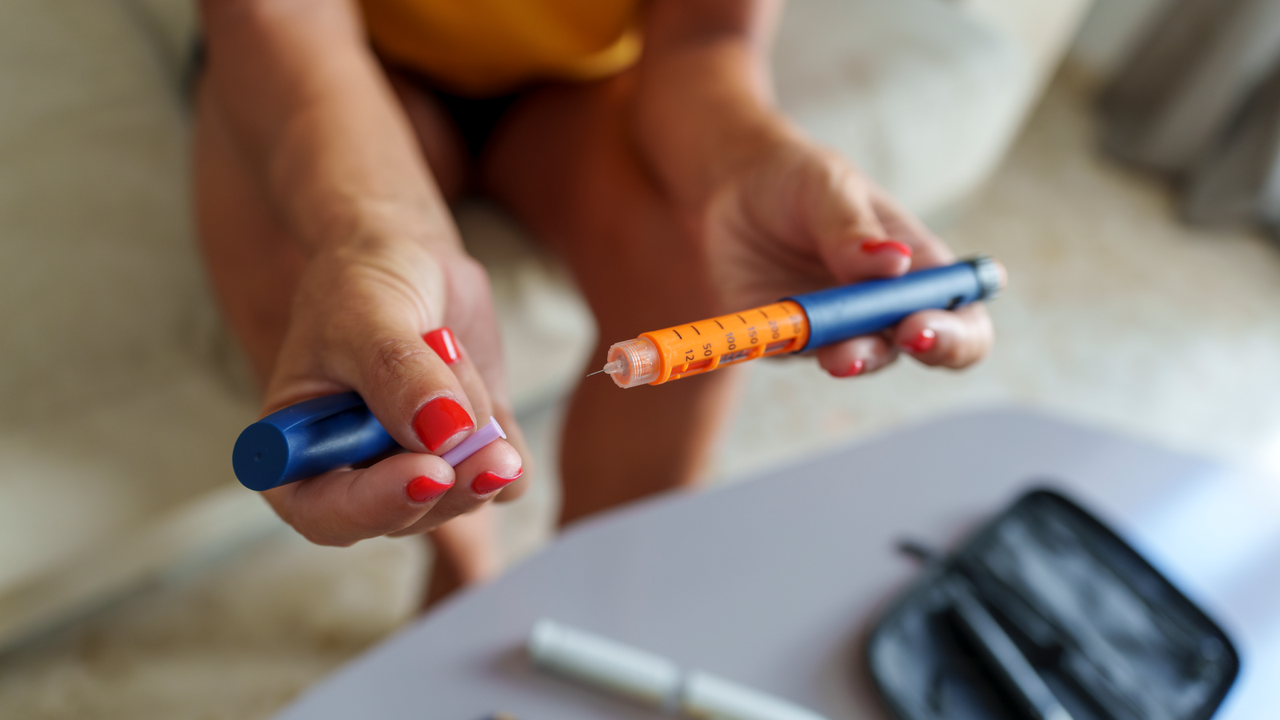
A drug that has quietly existed in transplant medicine for decades may hold an unexpected key for people newly diagnosed with type 1 diabetes — and it costs a fraction of what most modern treatments run.
New research suggests that polyclonal antithymocyte globulin (ATG), an immune-suppressing medication long used to help transplant patients accept new organs, can delay the progression of type 1 diabetes in those who have recently been diagnosed. That finding matters enormously for the roughly 1.6 million Americans living with the condition — and especially for the thousands who receive a new diagnosis every year.
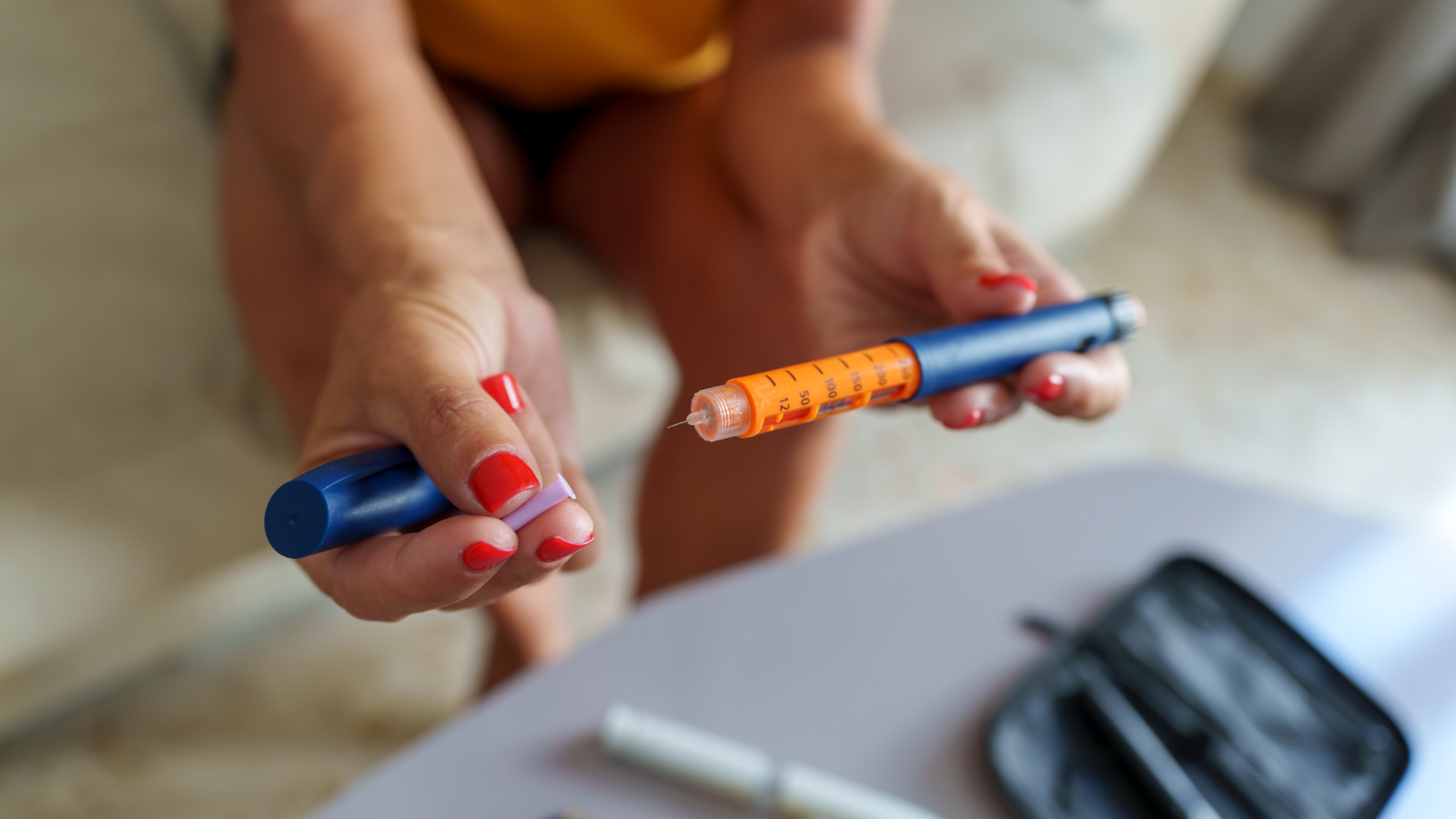
Type 1 diabetes is an autoimmune disease. The body’s own immune system mistakenly attacks and destroys the insulin-producing cells in the pancreas, called beta cells. Once those cells are gone, a person must inject insulin for the rest of their life just to survive. The new research points to a possible window — a critical early period after diagnosis — where that destruction might be slowed down.
What ATG Is and Why Researchers Are Interested in It
ATG is not a new drug. It has been used for decades in the context of organ transplantation, where suppressing the immune system is essential to stop the body from rejecting a donor organ. The drug works by reducing the activity of certain immune cells — specifically T-cells — that would otherwise attack foreign tissue.
That same mechanism is what makes it interesting for type 1 diabetes. In this disease, T-cells are the primary culprits behind the autoimmune assault on the pancreas. Researchers have reasoned that if ATG can calm those immune cells in transplant patients, it might do the same in people whose immune systems are attacking their own insulin-producing cells.
Previous studies had already shown some promise. High doses of ATG were found to reduce the loss of insulin-making beta cells in the pancreas. The new trial appears to build on that earlier work, examining whether the drug can meaningfully delay the full onset of the disease in newly diagnosed patients.
Why “Delaying” Type 1 Diabetes Is More Significant Than It Sounds
It might seem like a delay is just postponing the inevitable. But in the world of type 1 diabetes management, time is genuinely valuable.
When beta cells are still partially functioning — even at reduced capacity — the body retains some ability to regulate blood sugar on its own. This period, sometimes called the “honeymoon phase,” can make diabetes significantly easier to manage. Insulin doses are lower. Blood sugar swings are less severe. The risk of dangerous hypoglycemic episodes is reduced.
Preserving even a portion of that natural insulin production for longer has real, measurable effects on a person’s daily quality of life and long-term health outcomes. A drug that extends that window — particularly one that is already approved, widely available, and inexpensive — represents a meaningful clinical advance.
Key Facts About ATG and the New Research
| Factor | Detail |
|---|---|
| Drug name | Polyclonal antithymocyte globulin (ATG) |
| Drug class | Immune-suppressing medication |
| Existing use | Organ transplant rejection prevention |
| How it works | Reduces activity of T-cells that attack healthy tissue |
| Target in diabetes | Beta cells — insulin-producing cells in the pancreas |
| Previous findings | High doses reduced beta cell loss in earlier studies |
| New finding | Drug may delay full progression of type 1 diabetes in newly diagnosed patients |
| Cost profile | Described as inexpensive compared to newer treatments |
- ATG targets the autoimmune process at the root of type 1 diabetes
- Earlier research at high doses showed reduced insulin-cell loss
- The drug has a long safety record from decades of transplant use
- Its low cost makes it potentially accessible in ways newer biologics are not
Who This Could Actually Affect
The research is specifically relevant to people who have been newly diagnosed with type 1 diabetes. That timing matters because the intervention appears most useful during the early autoimmune phase — when beta cells are under attack but have not yet been fully destroyed.
For families who have just received a diagnosis for a child or young adult, this kind of research offers something genuinely rare: a potential way to slow the clock before full insulin dependence sets in. That could mean months or even years of easier disease management before the condition fully takes hold.
The accessibility angle is also worth noting. Many of the newer immunotherapy drugs being developed for type 1 diabetes — including teplizumab, which received FDA approval in 2022 for delaying diabetes onset in high-risk individuals — carry significant price tags. ATG, by contrast, is described by researchers as cheap. If further trials confirm its effectiveness, it could offer a more affordable pathway for patients who might not have access to cutting-edge biologics.
What Needs to Happen Before This Reaches Patients
The research is promising, but it is still early. The findings from this trial will need to be replicated and expanded before ATG becomes a standard recommendation for newly diagnosed type 1 diabetes patients.
Researchers will likely need to determine the optimal dosing — since earlier studies used high doses, and finding the right balance between effectiveness and tolerability is essential for any long-term treatment. The immune-suppressing nature of the drug also means that side effects and safety monitoring would be important considerations in any broader clinical use.
Still, the foundation is there. A drug with decades of real-world safety data, a well-understood mechanism, and a low price point is a genuinely compelling candidate for further development. The scientific community will be watching closely as more data emerges.
Frequently Asked Questions
What is ATG and how has it been used before?
ATG, or polyclonal antithymocyte globulin, is an immune-suppressing drug used for decades in organ transplant medicine to prevent the body from rejecting a new organ.
How could ATG help people with type 1 diabetes?
ATG reduces the activity of T-cells, the immune cells that attack insulin-producing beta cells in the pancreas — potentially slowing the autoimmune destruction at the heart of type 1 diabetes.
Does ATG cure type 1 diabetes?
No. Based on the research described, ATG appears to delay the progression of the disease rather than stop or reverse it entirely.
Who would benefit most from this treatment?
The research focuses on people who are newly diagnosed with type 1 diabetes, suggesting the drug is most relevant during the early phase of the disease when beta cells are still present.
Is ATG affordable compared to other diabetes treatments?
Yes, researchers describe it as an inexpensive drug — a notable advantage over many newer treatments being developed for type 1 diabetes, which can be significantly more costly.
Is ATG currently approved for use in type 1 diabetes?
This has not been confirmed in the available research summary. The drug is currently approved for transplant-related use, and further trials would be needed before any new indication could be established.




Leave a Reply