
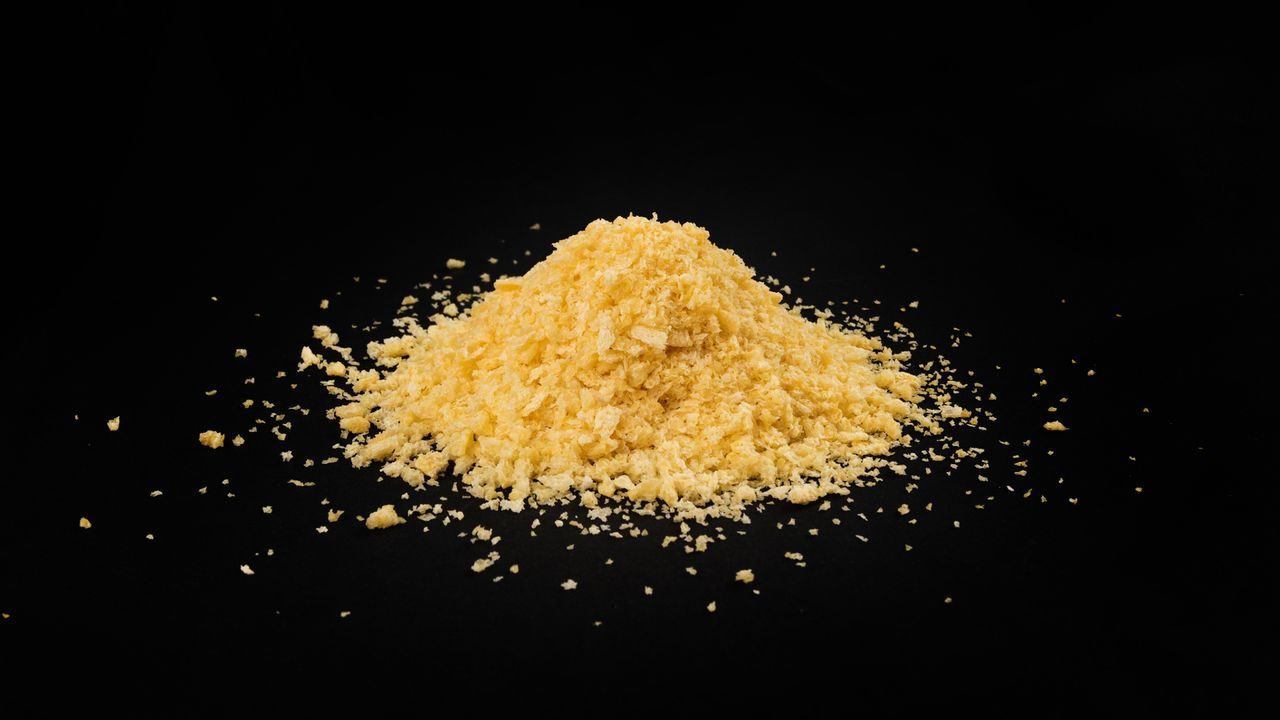
What if the answer to one of chemistry’s most energy-hungry problems was sitting in your kitchen bin? Scientists have discovered that breadcrumbs — yes, actual food waste — can be used to generate hydrogen, potentially replacing fossil fuels in one of the most widely used reactions in chemical manufacturing.
The research, published on February 23 in the journal Nature Chemistry, describes a new process that combines bacterial fermentation with metal catalysis to produce hydrogen and other valuable chemical products from simple food waste. The implications, researchers suggest, could be significant for industries that currently depend on fossil fuels to drive these reactions.
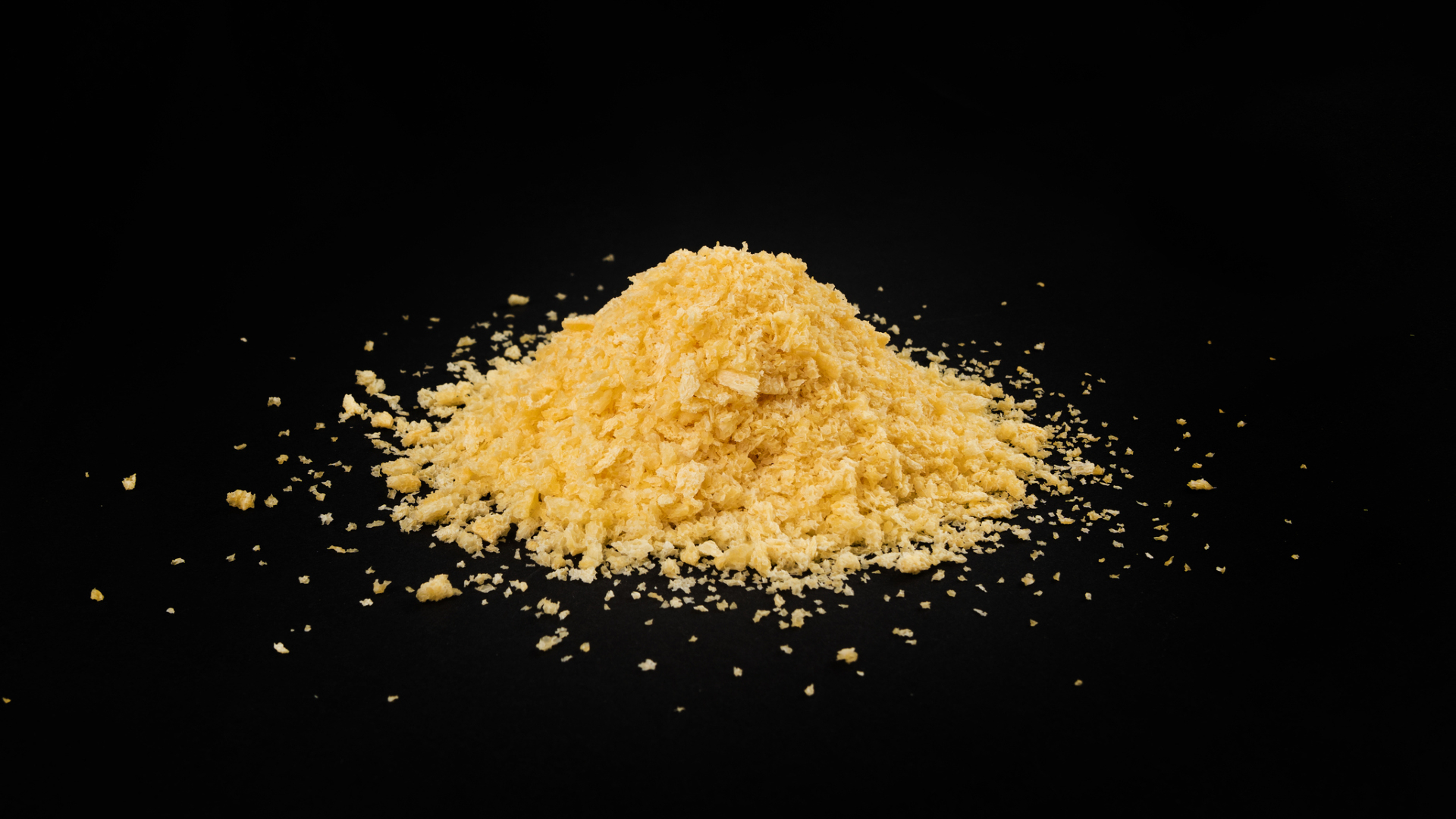
It sounds almost too simple to be real. But the science behind it points toward something genuinely novel — a way to make industrial chemistry cleaner by drawing on biological processes that have existed in nature for billions of years.
How Chemists Are Making Hydrogen from Breadcrumbs
The core idea behind the new process is the combination of two very different chemical worlds: the biological and the metallic. Bacteria naturally ferment organic material — breaking down sugars and starches through well-established metabolic pathways. The new research harnesses that fermentation process and pairs it with metal catalysis to generate hydrogen gas as an output.
Food waste like breadcrumbs is rich in the kinds of carbohydrates that bacteria are already very good at breaking down. By feeding that waste into the system, the researchers were able to drive the reaction without relying on fossil fuel-derived hydrogen as a feedstock.
That matters because hydrogen is a critical ingredient in countless industrial chemical processes. The problem is that most of the hydrogen used in manufacturing today comes from fossil fuels, making those processes significant contributors to carbon emissions. A method that generates hydrogen from food waste instead could, in principle, make those same processes carbon negative — meaning they remove more carbon from the atmosphere than they release.
The research team reports that the new process can generate an array of valuable chemical products, not just hydrogen, which broadens its potential industrial applications considerably.
Why This Reaction Could Matter for Chemical Manufacturing
To understand why this discovery is drawing attention, it helps to know how central hydrogen is to modern industry. It is used in the production of fertilizers, plastics, pharmaceuticals, and fuels, among many other products. The process of generating that hydrogen — primarily through a method called steam methane reforming — is energy-intensive and heavily reliant on natural gas.
Replacing even a portion of that fossil fuel-derived hydrogen with a biologically generated alternative would represent a meaningful shift in the carbon footprint of chemical manufacturing. The fact that the feedstock in this new process is food waste — a material that exists in enormous quantities and currently poses its own environmental disposal challenges — adds another layer of appeal.
| Feature | Traditional Hydrogen Production | New Breadcrumb-Based Process |
|---|---|---|
| Primary feedstock | Fossil fuels (natural gas) | Food waste (e.g., breadcrumbs) |
| Method | Steam methane reforming | Bacterial fermentation + metal catalysis |
| Carbon impact | Carbon-emitting | Potentially carbon negative |
| Additional outputs | Primarily hydrogen | Array of valuable chemical products |
| Published | — | February 23, Nature Chemistry |
The Part of This Story Worth Paying Attention To
What makes this research stand out is not just that it uses an unusual feedstock — it is the mechanism itself. The combination of biological fermentation and metal catalysis in a single integrated process is not something that has been widely demonstrated at this level of practicality before.
Researchers in green chemistry have long pursued ways to make industrial reactions more sustainable, but progress has often been slow because the economics of replacing established fossil fuel-based processes are difficult to overcome. A process that uses food waste — something with essentially negative economic value, since disposal itself costs money — as its raw material changes that equation in an interesting way.
The researchers describe the potential for the process to make certain chemical manufacturing reactions carbon negative. That is a stronger claim than carbon neutral, and it is worth noting carefully: it would mean the process actually draws down atmospheric carbon on balance, rather than simply producing less of it than conventional alternatives.
Whether that holds at industrial scale remains to be demonstrated, but the laboratory results published in Nature Chemistry are being taken seriously by the scientific community.
What Could This Replace — and for Whom
The most immediate application suggested by the research is in chemical manufacturing processes that currently rely on fossil fuel-derived hydrogen. These are industries that have historically been among the hardest to decarbonize, precisely because hydrogen is so deeply embedded in their production chains.
For consumers, the downstream effects are harder to predict in the short term. But industries that manufacture fertilizers, medicines, and processed materials could all theoretically benefit from access to a cheaper, lower-carbon hydrogen source — and those cost and environmental changes tend to ripple outward over time.
Food waste, meanwhile, is generated at enormous scale globally. Diverting even a fraction of that waste stream into a productive chemical process would address two problems simultaneously: the carbon cost of food waste decomposition, and the fossil fuel dependency of hydrogen production.
What Comes Next for This Research
The study published in Nature Chemistry represents laboratory-scale findings. The next stages would typically involve scaling the process up to pilot plant conditions to test whether the chemistry holds under more demanding industrial circumstances, and to assess the economics of doing so at volume.
Researchers will also need to demonstrate that the process works reliably across different types of food waste, not just breadcrumbs, and that the metal catalysts involved can operate efficiently over sustained periods without degradation.
The timeline for any commercial application has not been confirmed by the research team, but the publication in a peer-reviewed journal of this standing signals that the scientific foundation is solid enough to warrant serious further investigation.
Frequently Asked Questions
What did the chemists actually discover?
Researchers found that breadcrumbs and other food waste can be used to generate hydrogen through a process combining bacterial fermentation with metal catalysis, potentially replacing fossil fuels in certain chemical manufacturing reactions.
Where was this research published?
The findings were published on February 23 in the journal Nature Chemistry.
What does “carbon negative” mean in this context?
It means the process could remove more carbon from the atmosphere than it releases, making it a net climate benefit rather than simply a lower-emission alternative to fossil fuels.
Is this process ready to be used in industry?
Not yet. The research is at the laboratory stage, and further work would be needed to demonstrate whether it can be scaled up for commercial chemical manufacturing.
Why are breadcrumbs specifically mentioned?
Breadcrumbs serve as a representative example of food waste rich in carbohydrates that bacteria can ferment. The process is designed to work with simple food waste materials broadly, not breadcrumbs exclusively.
Could this affect everyday products?
Potentially over time, since hydrogen is used in producing fertilizers, pharmaceuticals, and plastics — but any consumer-level effects would depend on how widely the technology is eventually adopted, which has not yet been determined.




Leave a Reply