
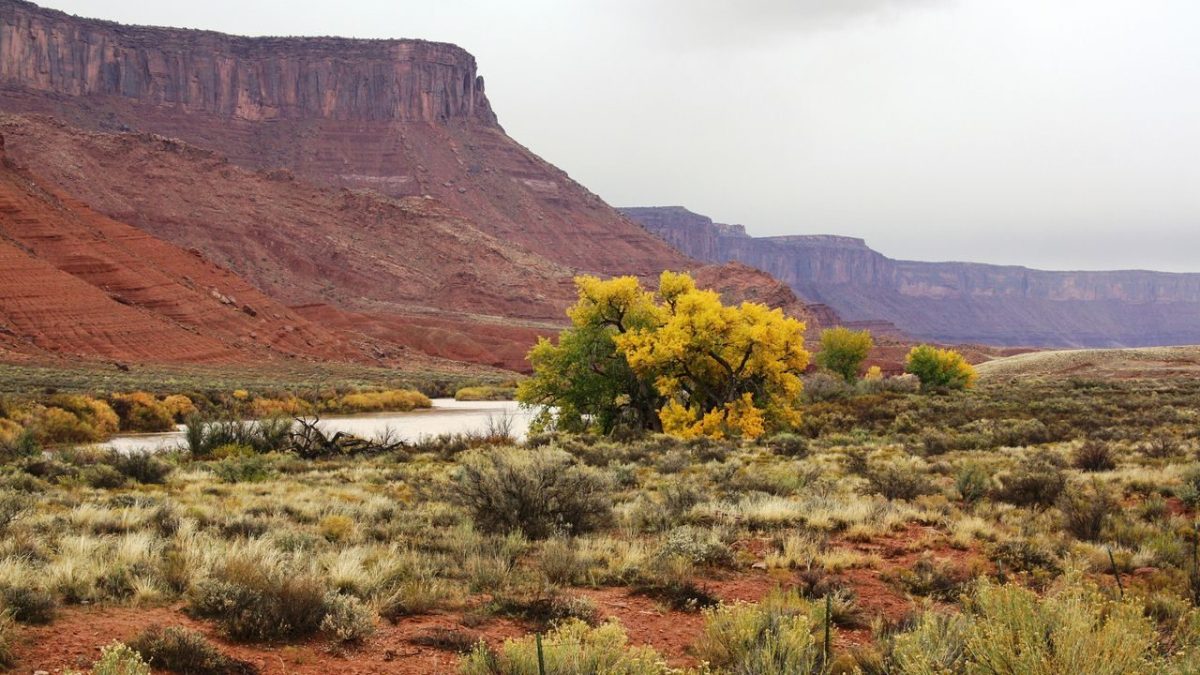
More than 10% of the population of the United States gets the majority of their water from the Colorado River — a system already stretched thin by decades of drought, rising temperatures, and growing demand. Now, a new study has added a troubling layer to that picture: during the hottest, driest stretches of summer, plants surrounding the river are pulling water from underground reserves that would otherwise feed the river itself.
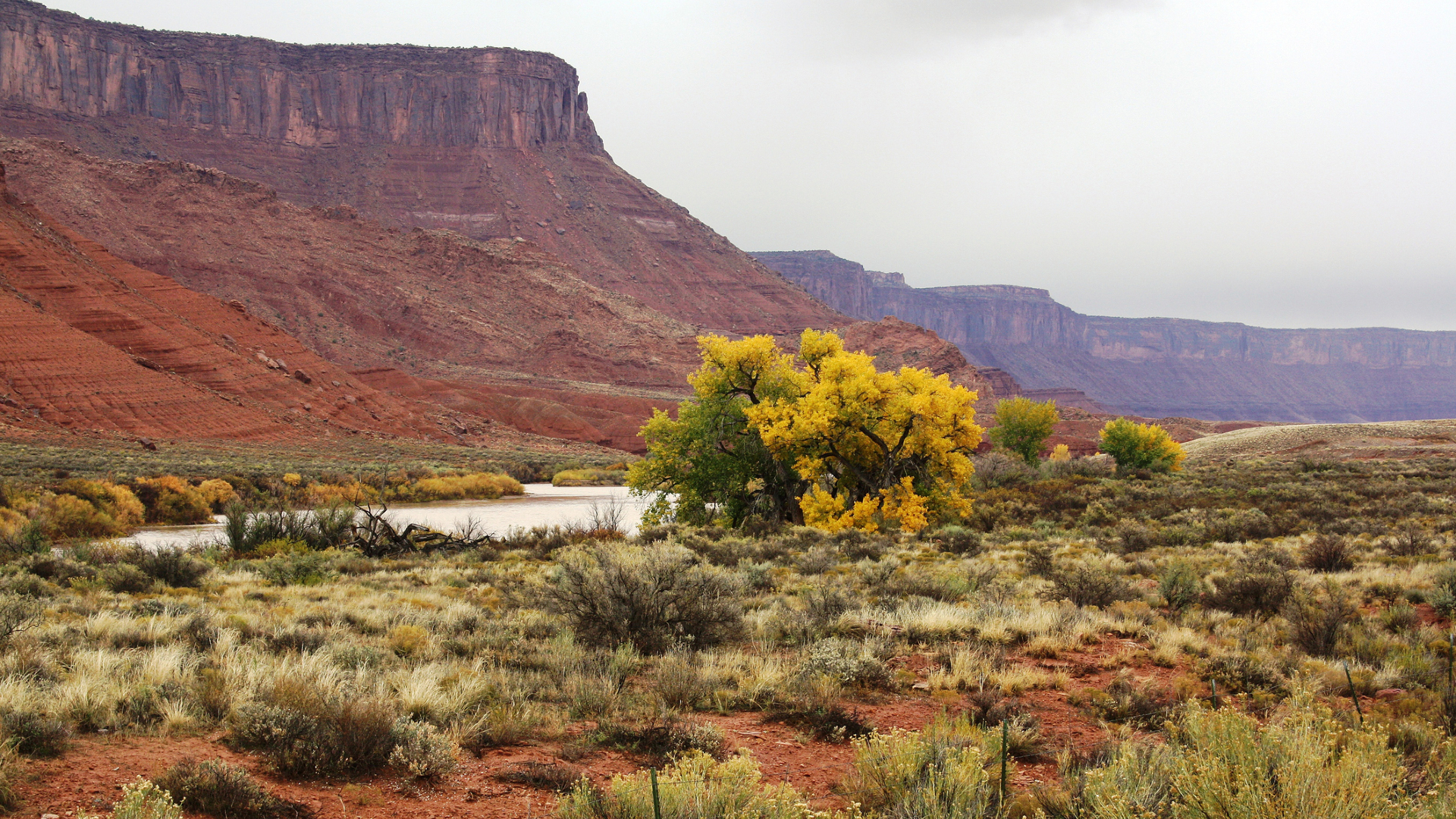
The finding flips a common assumption about how drought affects river systems. Most people might expect that less rain and snowfall simply means less water in the river. But researchers have found that plants don’t just stop when surface water runs dry — they go deeper, tapping groundwater that is hydraulically connected to the Colorado. When they do, that water never makes it downstream.
For a basin that supplies drinking water to cities across the American Southwest and supports vast agricultural operations, the implications are significant — and largely invisible to traditional water accounting methods.
What the Study Actually Found About the Colorado River
The research centers on what scientists are calling a drought paradox. During hot, dry summers — exactly the conditions when water is already scarce — vegetation in the areas around the Colorado River increases its uptake of groundwater. That groundwater, under normal conditions, would slowly seep into the river and contribute to its overall flow.
When plants intercept that supply, it represents a loss that doesn’t show up in rainfall totals or snowpack measurements. It’s water that was on its way to the river and simply never arrived.
The Colorado River is a snowmelt-driven system, meaning most of its water originates as snow in the Rocky Mountains and releases gradually as temperatures rise through spring and early summer. That makes it particularly sensitive to changes in how water moves through the surrounding landscape — including how much vegetation absorbs along the way.
The study’s findings have implications well beyond the American Southwest. Researchers noted that more than 1.4 billion people around the world rely on water from snowmelt-driven mountain rivers. Any factor that reduces how much of that meltwater actually reaches a river is a water management problem at a global scale.
Why This Is Harder to Track Than It Sounds
One of the reasons this phenomenon has been underappreciated is that it doesn’t fit neatly into traditional hydrological models. Most water management frameworks focus on surface water — precipitation, snowpack, runoff, and reservoir levels. Groundwater depletion driven by plant activity during heat events is a more subtle and difficult process to measure.
Plants draw water through their roots based on what’s available and what their metabolic needs require. In cooler, wetter conditions, surface moisture may be sufficient. But as temperatures rise and soils dry out, plants extend their reach. Deep-rooted vegetation near river corridors can access the same groundwater reserves that slowly recharge rivers — and in dry summers, they do exactly that.
The effect is self-reinforcing in a warming climate. Hotter temperatures mean more plant water demand, which means more groundwater extraction, which means less water reaching the river — at precisely the moment when river levels are already under pressure.
Who Relies on the Colorado River — and What’s Already at Stake
The Colorado River basin has been the subject of intense water policy negotiations for years. Lake Mead and Lake Powell, the two largest reservoirs in the United States, have both reached historically low levels in recent years, triggering federal water shortage declarations that have forced cuts to water allocations across multiple states.
| Key Fact | Detail |
|---|---|
| Global population relying on snowmelt rivers | More than 1.4 billion people |
| U.S. population relying on Colorado River | More than 10% of the total U.S. population |
| States most directly affected | Arizona and California (among others) |
| River type | Snowmelt-driven mountain river |
| Key driver of new water loss | Plant groundwater uptake during hot, dry summers |
States like Arizona and California are among those most dependent on the Colorado, and both have faced difficult negotiations over how remaining water supplies get divided. This new research suggests that even agreed-upon allocations may be harder to meet if reduced groundwater contributions to the river aren’t factored into the equation.
The Part of This Story Most Water Plans Are Missing
Water management in the American West is built around a complex system of rights, agreements, and measurements — most of which were established long before the mechanisms described in this study were well understood.
If plants are consistently drawing down groundwater during heat events and reducing river flow as a result, that represents an unaccounted-for variable in how water planners estimate future availability. The hotter summers become, the larger that variable may grow.
- Snowmelt-fed rivers like the Colorado are especially vulnerable because their water supply is already seasonal and climate-sensitive
- Groundwater that feeds rivers during dry months acts as a natural buffer — one that vegetation can quietly erode
- Traditional water accounting methods may not capture this form of loss
- The effect is likely to intensify as temperatures continue to rise
- Regions relying heavily on snowmelt — including much of the western United States — face the greatest exposure
The research points toward a need for updated hydrological models that incorporate vegetation behavior as a dynamic variable, not just a fixed one. How much water plants take up isn’t static — it responds to temperature, drought stress, and groundwater availability in ways that can meaningfully shift how much water flows downstream.
What Comes Next for Colorado River Water Management
The study adds scientific weight to calls for more sophisticated monitoring of the Colorado River basin’s water budget. Current agreements governing water use across the basin are already under renegotiation, with federal and state officials working toward new frameworks to address long-term supply shortfalls.
Whether this research directly influences those negotiations remains to be seen. But it raises a pointed question for policymakers: if plants are effectively competing with cities and farms for water during the hottest summers, how should that competition be accounted for in long-term planning?
For the millions of people in Arizona, California, and beyond who turn on a tap and expect water to come out, the answer matters more than most of them realize.
Frequently Asked Questions
What is the drought paradox described in the Colorado River study?
During hot, dry summers, plants near the Colorado River increase their uptake of groundwater — water that would otherwise flow into the river — effectively reducing the river’s supply at the moment it is already under the most stress.
How many people depend on the Colorado River for water?
More than 10% of the total U.S. population gets the majority of their water from the Colorado River, with states like Arizona and California among the most dependent.
How many people globally rely on snowmelt-driven rivers like the Colorado?
According to the study, more than 1.4 billion people around the world rely on water from snowmelt-driven mountain rivers.
Why is plant groundwater use difficult to measure and account for?
Traditional water management models focus on surface water sources like precipitation and snowpack. Groundwater drawn by vegetation during heat events is a subtler process that doesn’t show up easily in standard measurements.
Will this research change how water is allocated across the Colorado River basin?
This has not yet been confirmed. The findings suggest current water accounting methods may be missing an important variable, but whether policymakers will incorporate the research into ongoing negotiations is not yet known.
Is this problem unique to the Colorado River?
No. The study’s authors note that more than 1.4 billion people rely on snowmelt-driven rivers worldwide, suggesting that plant groundwater uptake during droughts could be affecting river systems far beyond the American Southwest.


Leave a Reply