
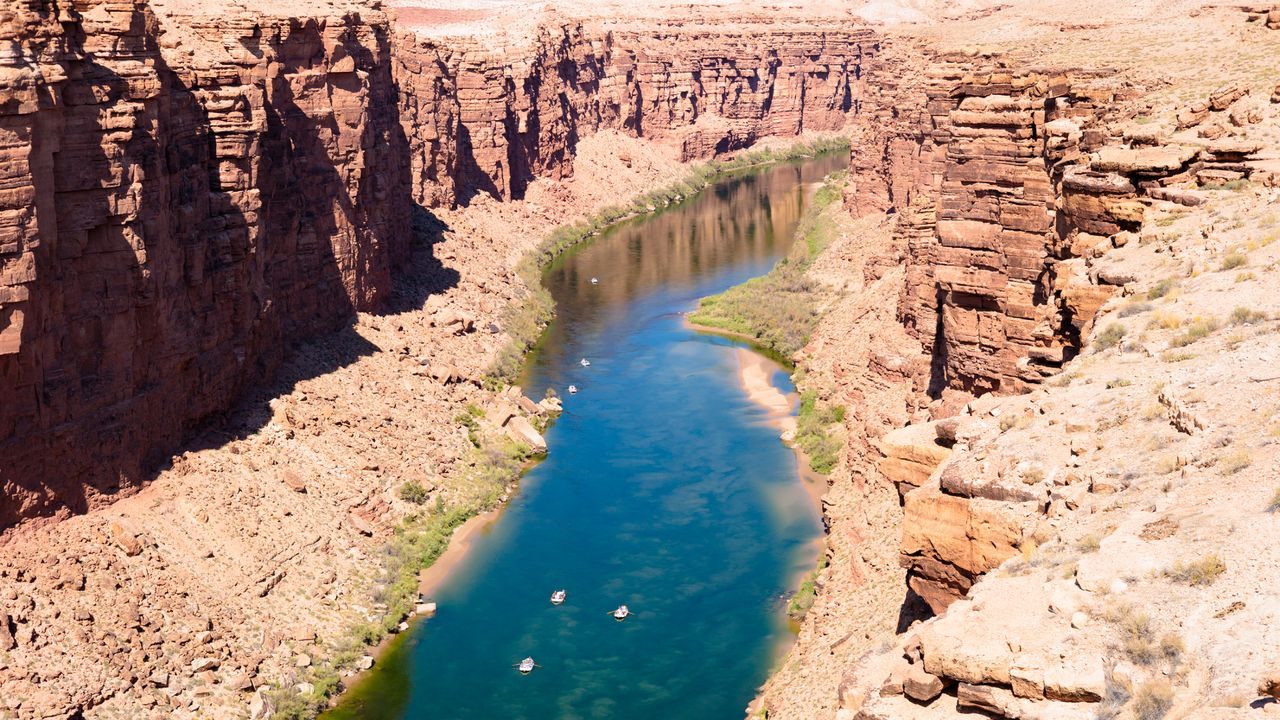
Seven states. One river. And a deadline that has already passed with no deal in sight. The Colorado River — a lifeline for millions of Americans across the American West — is at the center of a water crisis that is growing more urgent by the season, and the political standoff over how to manage what’s left of it shows no signs of breaking.
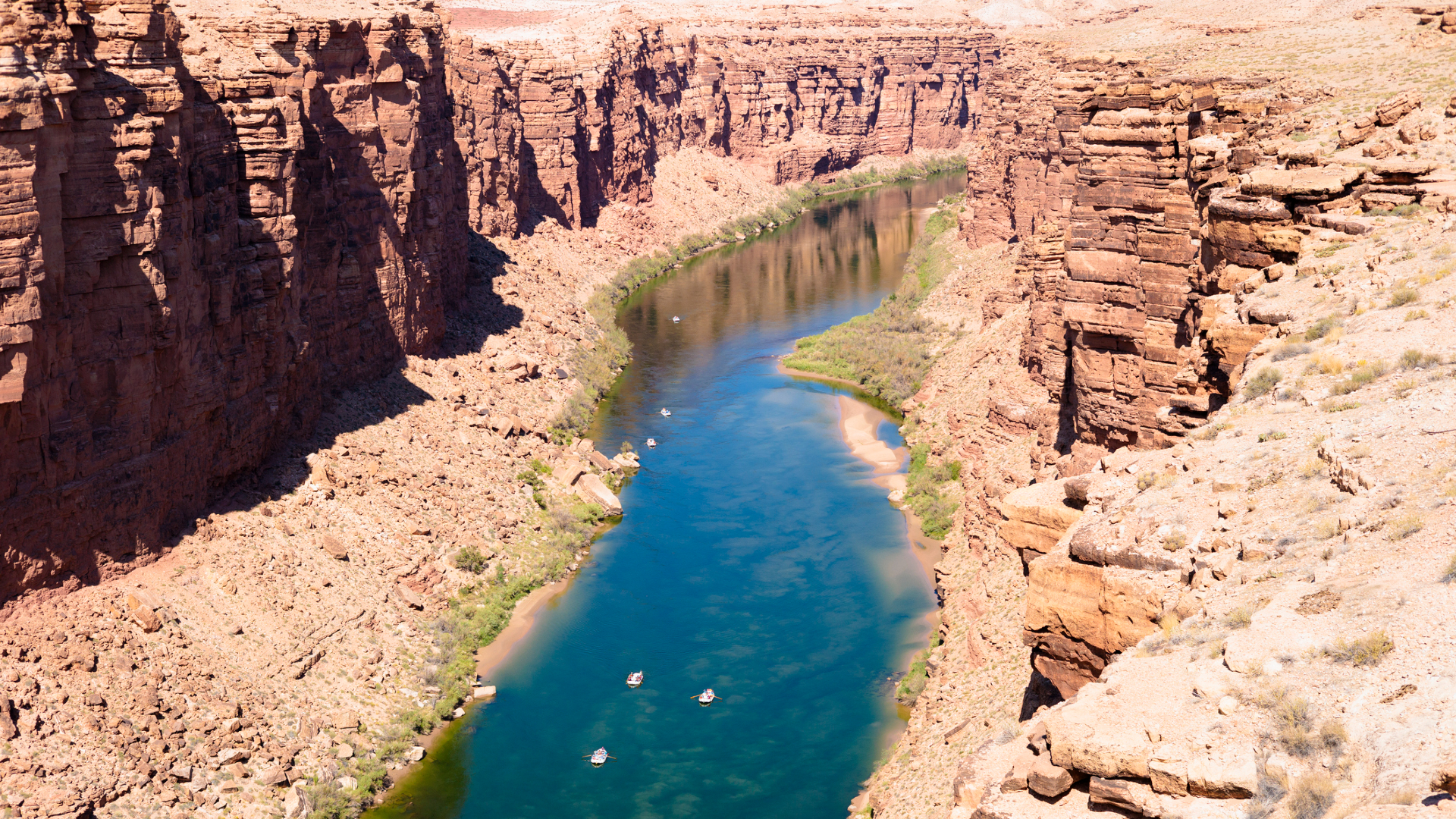
The seven U.S. states that make up the Colorado River basin have been locked in negotiations over how to share the river’s increasingly scarce water. Those talks, which have not been open to the public, missed a federal deadline of February 14, 2026. Federal officials had been clear: reach an agreement, or Washington will step in and impose one. That deadline has now come and gone.
For anyone who drinks tap water, grows food, or lives anywhere in the American Southwest, this is not an abstract policy dispute. It is a question about who gets water — and who might not.
Why the Colorado River Is Running Out of Time
The Colorado River has long been described as the lifeblood of the American West. It supplies water to seven states — and that water is used for everything from irrigating crops to filling kitchen faucets. But the river is under severe stress, squeezed by two overlapping forces: climate change and a prolonged period of drought that has dramatically reduced how much water the river actually carries.
The result is a gap between how much water the seven basin states have historically been allocated and how much water the river can actually deliver. That gap has been widening for years, and it has made the question of who gets what — and how cuts should be shared — one of the most contentious water policy fights in the country.
Negotiations among the states have been conducted behind closed doors, away from public scrutiny. That opacity has made it difficult for residents, farmers, and local governments to know how the talks are progressing or what proposals are on the table.
The Seven States at the Table — and What’s at Stake
The Colorado River basin spans a vast stretch of the western United States. The seven states involved in these negotiations each have their own water needs, their own agricultural economies, and their own political pressures — which is a large part of why reaching consensus has proven so difficult.
| Colorado River Basin States | Key Water Uses |
|---|---|
| Colorado | Agriculture, municipalities, recreation |
| Wyoming | Agriculture, ranching |
| Utah | Agriculture, growing urban populations |
| New Mexico | Agriculture, tribal water needs |
| Nevada | Las Vegas metropolitan area, limited agriculture |
| Arizona | Large-scale agriculture, major cities |
| California | Extensive agriculture, massive urban demand |
Each state brings a different set of priorities to the table. Upper basin states — those closer to the river’s source — have different legal rights and usage patterns than lower basin states, which have historically depended heavily on the river’s flow reaching them downstream. That divide has long complicated any unified approach to conservation or cutbacks.
What a Federal Takeover Could Actually Mean
When the February 14, 2026, deadline passed without an agreement, federal officials indicated they were prepared to move forward with their own plan. What exactly that federal intervention would look like has not been publicly confirmed, but the prospect of Washington dictating water allocations to seven states — each with its own legal claims, agricultural industries, and political interests — is deeply contentious.
Federal management of Colorado River water would be an extraordinary step. States have historically guarded their water rights fiercely, and any top-down allocation imposed by the federal government would almost certainly face legal and political pushback.
Officials have noted that the current framework governing the river’s water was not designed for a future with this level of scarcity. The agreements that divided up Colorado River water were made in a wetter era, and they did not fully account for what prolonged drought or climate-driven reductions in snowpack would mean for actual water supply.
Who Feels This Crisis First
The stakes are not equal across the basin. Some communities and industries are far more exposed to water shortages than others.
- Farmers and agricultural operations that rely on Colorado River water for irrigation face the most immediate risk of cutbacks. Agriculture accounts for the largest share of water use in the basin.
- Cities and municipalities across the Southwest depend on the river for drinking water, and any reduction in supply would force difficult choices about conservation mandates and infrastructure investment.
- Residents in lower basin states like Arizona and Nevada are particularly vulnerable, as they sit at the end of the river’s flow and have less buffer when upstream supply drops.
- Tribal communities with water rights tied to the river have long fought to have those rights recognized and protected in any new agreement.
The broader point is that water scarcity in the Colorado River basin is not a future problem. It is a present one, and the inability of seven states to reach a voluntary agreement only increases the likelihood that difficult decisions will be made for them — not by them.
What Happens Next in the Colorado River Negotiations
With the February 2026 deadline missed, the immediate question is whether the federal government will move quickly to impose a framework or whether it will give the states additional time to reach a voluntary deal. Neither outcome is simple.
If the states return to the table and eventually reach an agreement, it would still need to address the fundamental mismatch between historical water allocations and current river flows — a gap that climate projections suggest will only grow over time.
If the federal government moves forward with its own plan, it will likely trigger legal challenges from states that feel their water rights are being overridden. That process could take years to resolve, during which time the river continues to face pressure from drought and rising temperatures.
What is clear is that the status quo — seven states unable to agree, a river under mounting stress, and a federal government waiting in the wings — is not a stable situation. Something will have to give, and the decisions made in the coming months will shape water policy in the American West for decades.
Frequently Asked Questions
Which states are part of the Colorado River basin negotiations?
The seven states are Colorado, Wyoming, Utah, New Mexico, Nevada, Arizona, and California. All seven have been involved in closed-door negotiations over how to manage the river’s shrinking water supply.
What was the February 14, 2026, deadline about?
The federal government set that date as the deadline for the seven states to reach a voluntary agreement on water management. The states missed the deadline, after which federal officials indicated they would impose their own plan.
Why is the Colorado River losing water?
The river’s supply has been reduced by a combination of climate change and prolonged drought, both of which have decreased the amount of water the river carries compared to historical levels.
Are the negotiations open to the public?
No. According to available reporting, the negotiations among the seven states have not been open to the public.
What could a federal plan for the Colorado River look like?
The specific details of any federal intervention have not been publicly confirmed. It would likely involve imposed water allocation limits across the basin states, though this has not yet been finalized.
Who is most affected by Colorado River water shortages?
Agricultural users, municipalities relying on the river for drinking water, and communities in lower basin states like Arizona and Nevada face the most direct exposure to reductions in water supply.


Leave a Reply