
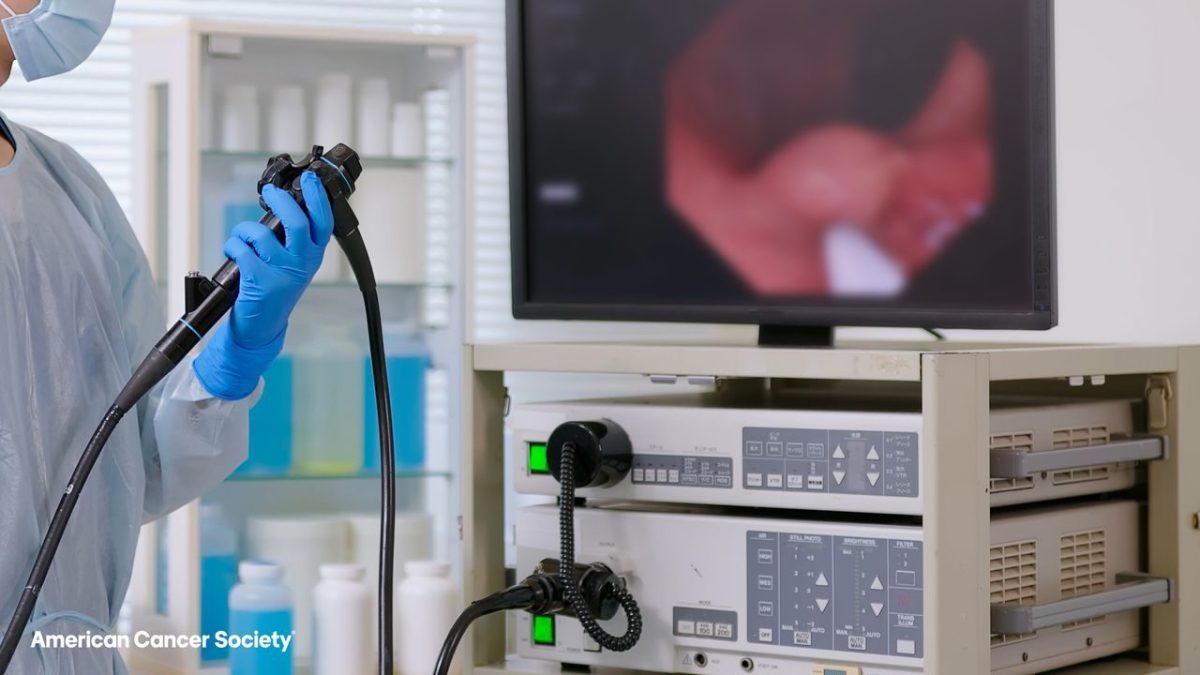
Colorectal cancer has officially become the leading cause of cancer deaths among Americans under 50 — a milestone that health researchers describe as alarming and one that is reshaping how doctors think about who is actually at risk.
According to research published on March 2 by the American Cancer Society, both the number of new colorectal cancer diagnoses and the number of deaths from the disease have been climbing steadily in younger adults for years. Incidence has been rising since 2013. Mortality has been rising even longer — since 2004. That means this trend has been building quietly for two decades, and it has now reached a point where no other cancer kills more people under 50 in the United States.
This is not a story about elderly patients. It is a story about people in their 30s and 40s — and the gap between when this disease starts and when most people think to look for it.
What Colorectal Cancer Actually Is — and Why Younger Adults Are Now the Focus
Colorectal cancer is cancer of the large intestine or the rectum. It has long been considered a disease of older adults, which is part of why the current trend is so striking. For generations, screening programs and public health messaging were aimed almost entirely at people over 50.
But the data from the American Cancer Society tells a different story. While rates of colorectal cancer have been falling in older adults — largely thanks to widespread screening — they have been moving in the opposite direction for younger people. The disease is being diagnosed more often in younger adults, and more younger adults are dying from it.
Researchers and public health officials have not yet reached a definitive consensus on why this is happening. Factors that have been discussed in the broader medical community include changes in diet, rising obesity rates, reduced physical activity, and shifts in gut microbiome health — though none of these alone fully explains the trend.
The Numbers Behind the Trend
The core findings from the American Cancer Society research are straightforward but sobering. Here is what the data confirms:
- Colorectal cancer is now the number one cause of cancer deaths in people under 50 in the U.S.
- Incidence — meaning new diagnoses — has been increasing in people under 50 every year since 2013
- Mortality — meaning deaths from the disease — has been increasing in people under 50 every year since 2004
- The research was published on March 2 by the American Cancer Society
- Current ACS guidelines recommend that people at average risk begin colorectal cancer screening at age 45
| Trend | Population Affected | Rising Since |
|---|---|---|
| New colorectal cancer diagnoses (incidence) | Adults under 50 | 2013 |
| Deaths from colorectal cancer (mortality) | Adults under 50 | 2004 |
| Recommended screening start age (average risk) | General U.S. population | ACS guideline: age 45 |
The mortality trend is particularly significant. Deaths have been rising for 20 years — meaning that for two decades, younger adults have been dying from a cancer that the broader healthcare system has historically associated with older age groups.
Why This Matters for People Who Think They’re Too Young to Worry
One of the most dangerous aspects of any cancer trend that skews younger is the assumption of safety. Most people under 50 have never had a conversation with their doctor about colorectal cancer screening. Many do not know the warning signs. And because the disease has long carried an “older adult” label, symptoms in younger people are sometimes dismissed or attributed to less serious conditions like hemorrhoids or irritable bowel syndrome.
The American Cancer Society’s current recommendation — that average-risk individuals begin screening at 45 — was itself a relatively recent update, lowered from the previous threshold of 50. That change reflected growing concern about rising rates in younger adults. But even the age-45 guideline does not capture people in their 30s, who may still be at risk if they have a family history or other risk factors.
Health advocates note that early detection dramatically improves outcomes for colorectal cancer. When caught at an early stage, survival rates are significantly higher. The challenge is that many younger adults are not being screened, and some may not even be aware that they qualify for screening under current guidelines.
What People Under 50 Should Know Right Now
The shift in colorectal cancer’s ranking — from a disease that primarily concerned older adults to the top cancer killer of people under 50 — is a signal that awareness needs to change at the individual level, not just in clinical settings.
Symptoms that should prompt a conversation with a doctor include changes in bowel habits, blood in the stool, persistent abdominal discomfort, unexplained weight loss, and fatigue. None of these are unique to colorectal cancer, but they are worth taking seriously rather than waiting to see if they resolve on their own.
For people with a family history of colorectal cancer or certain genetic conditions, screening may be recommended before age 45. That conversation is worth having with a primary care provider sooner rather than later.
What the Research Signals for the Future
The American Cancer Society’s findings are likely to add pressure on policymakers, insurers, and healthcare providers to reconsider how colorectal cancer screening is approached for younger populations. The data makes a strong case that the current framework — built around older adults — is not keeping pace with where the disease is actually showing up.
Whether that leads to further changes in screening age guidelines, broader public health campaigns, or increased research funding into the causes of early-onset colorectal cancer remains to be seen. What the research confirms is that the trend is real, it has been building for years, and it is now impossible to ignore.
Frequently Asked Questions
What is colorectal cancer?
Colorectal cancer is cancer of the large intestine or the rectum. It is now the leading cause of cancer deaths in Americans under 50, according to the American Cancer Society.
How long has colorectal cancer been rising in younger adults?
According to the American Cancer Society, new diagnoses have been increasing in people under 50 every year since 2013, while deaths from the disease have been rising every year since 2004.
At what age should I start screening for colorectal cancer?
The American Cancer Society recommends that people at average risk begin colorectal cancer screening at age 45. Those with a family history or other risk factors may need to start earlier.
Why is colorectal cancer increasing in people under 50?
Researchers continue to study potential contributing factors, but no definitive explanation has been established in this research.
Where was this research published?
The findings were published on March 2 by the American Cancer Society.
Is colorectal cancer treatable if caught early?




Leave a Reply