
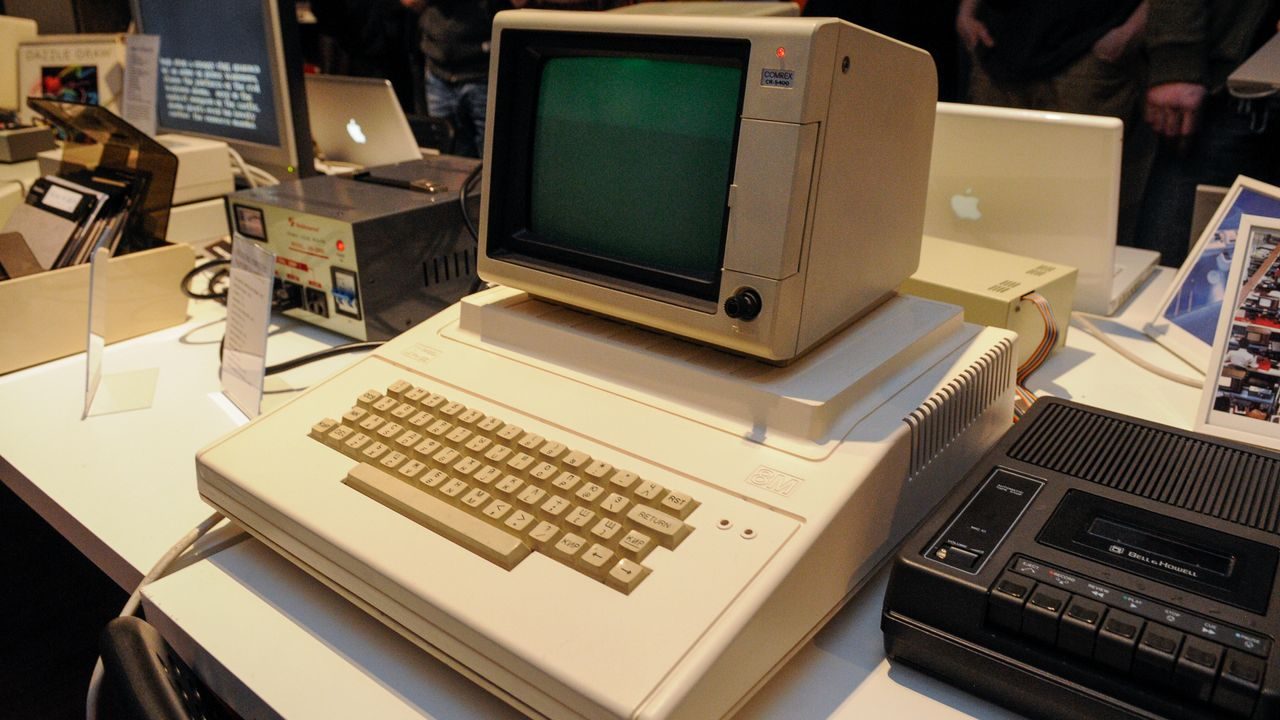
The smartphone in your pocket contains more computing power than the room-sized machines that once filled entire buildings. But how well do you actually know the devices that got us here?
The history of computing stretches back far further than most people realize — well before electricity, before silicon chips, and long before anyone used the word “computer” to describe a machine rather than a person doing calculations by hand.
From ancient counting tools to the hulking electronic giants of the mid-20th century, the path to modern computing is filled with strange, fascinating, and often overlooked inventions. Here’s a look at where it all began — and why the history of these ancient devices still matters today.
Computing History Goes Back Much Further Than You Think
Most people trace the computer age to the mid-1900s, when electronic machines first appeared in research labs and government facilities. But the origins of computing are far older than that.
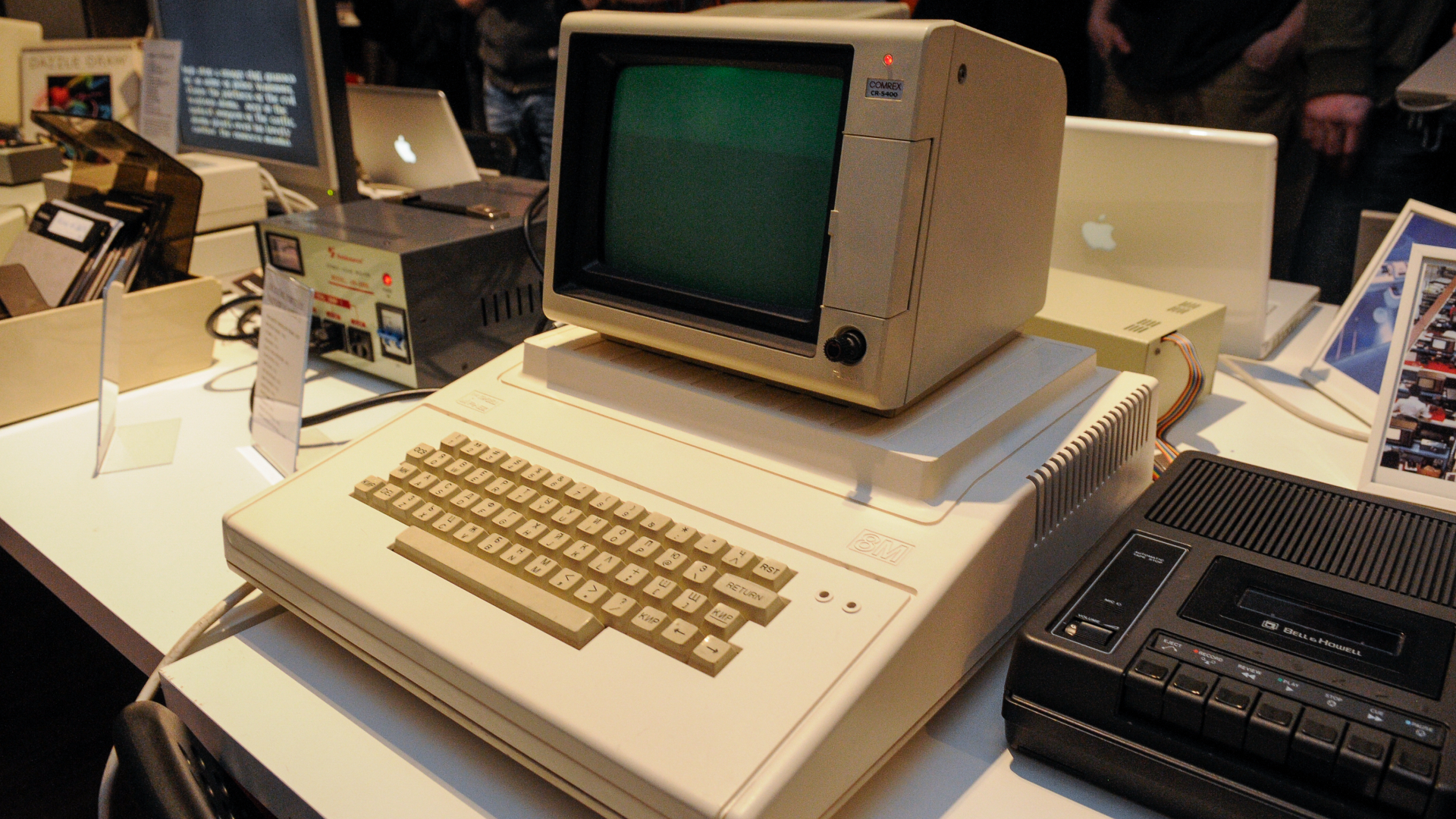
The abacus, one of the earliest known calculating tools, dates back to ancient times. It allowed users to perform arithmetic by sliding beads along rods or grooves — a surprisingly efficient system that remained in widespread use for centuries and, in some parts of the world, never fully disappeared.
The leap from tools like the abacus to fully electronic machines was not a single moment but a long, gradual process involving dozens of inventors, engineers, and mathematicians across many centuries. Each generation built on the last, adding mechanical gears, then electrical components, then programmable logic.
By the time ENIAC — the Electronic Numerical Integrator and Computer — was completed in 1946, it represented the cutting edge of what human ingenuity could produce. It was also enormous, expensive, and accessible to almost no one outside of specialized institutions.
The Machines That Shaped the Modern Computer
Understanding where computing came from means recognizing just how radically different early devices looked compared to anything we use today. These weren’t sleek or portable. They were blocky, mechanical, and often the size of furniture — or entire rooms.
A few key milestones help illustrate how dramatically the field evolved over time:
- The abacus — One of the oldest computing aids in human history, used across ancient civilizations for arithmetic calculations.
- Mechanical calculators — Devices using gears and levers to automate basic math, bridging the gap between hand tools and electronic machines.
- Early programmable machines — Precursors to modern computers that could follow instructions encoded in physical media like punch cards.
- ENIAC (1946) — Widely recognized as one of the first general-purpose electronic computers, marking the beginning of the electronic computing era.
- Personal computers — The eventual miniaturization of computing technology into devices small and affordable enough for individual ownership.
Each of these stages required not just new technology but entirely new ways of thinking about what a machine could do.
How Size and Shape Changed Everything
| Era | Representative Device | Key Characteristic |
|---|---|---|
| Ancient times | Abacus | Manual bead-based calculation tool |
| Pre-electronic age | Mechanical calculators | Gear-driven, no electrical components |
| 1946 | ENIAC | First major general-purpose electronic computer |
| Modern era | Personal computers, laptops, smartphones | Compact, widely available, highly portable |
The contrast between ENIAC and a modern smartphone is almost difficult to comprehend. ENIAC weighed roughly 30 tons and occupied around 1,800 square feet. The device most people carry in their pocket today is exponentially more powerful and fits in a shirt pocket.
That transformation didn’t happen overnight. It took decades of incremental engineering breakthroughs — in transistors, integrated circuits, memory storage, and display technology — to bring computing down to human scale.
Why These “Ancient” Devices Still Deserve Attention
It might be tempting to dismiss early computing tools as curiosities — interesting footnotes in a story that has long since moved on. But that would miss the point.
The abacus wasn’t just a primitive calculator. It was a sophisticated cognitive tool that allowed merchants, astronomers, and administrators to work with numbers far more efficiently than they could with pen and paper alone. In that sense, it solved the same fundamental problem that every computing device since has tried to solve: how do you extend the limits of human calculation?
ENIAC solved that problem at a scale previously unimaginable, performing thousands of calculations per second at a time when such speed was genuinely revolutionary. The machines that followed — from mainframes to desktops to the devices we use today — continued refining the answer.
Smartphones and laptops are ubiquitous now, but they exist because of every bulky, awkward, room-filling machine that came before them. Recognizing that lineage gives a clearer picture of just how far the field has come — and how quickly it continues to move.
What the History of Computing Tells Us About What’s Coming Next
The arc of computing history suggests one consistent pattern: devices get smaller, faster, cheaper, and more widely accessible over time. What begins as a tool for specialists almost always becomes a tool for everyone.
That pattern held from the abacus to the mechanical calculator, from ENIAC to the personal computer, and from the desktop to the smartphone. There’s little reason to think it stops there.
Emerging fields like quantum computing, edge computing, and artificial intelligence-driven hardware are already beginning to reshape what a “computer” even means. The blocky ancestors of today’s machines would be unrecognizable to the engineers who built them — and the devices of the next century may be equally unrecognizable to us.
Understanding where we started makes it easier to appreciate how extraordinary the present moment actually is — and to stay curious about what comes next.
Frequently Asked Questions
What is considered one of the oldest computing devices in history?
The abacus is one of the earliest known computing aids, dating back to ancient times and used across civilizations for arithmetic calculations.
What was ENIAC and when was it built?
ENIAC, which stands for Electronic Numerical Integrator and Computer, was completed in 1946 and is widely recognized as one of the first general-purpose electronic computers.
How have computers changed in size over time?
Early electronic computers like ENIAC were enormous machines that occupied entire rooms, while modern personal computers have shrunk dramatically in both size and weight to become portable everyday devices.
Were computers always electronic?
No. The history of computing predates electronic machines by centuries, with mechanical and manual tools like the abacus performing calculation functions long before electricity was involved.
When did personal computers become widely available?
Is the abacus still used today?
While modern electronic devices have largely replaced it, the abacus remained in widespread use for centuries and is still used in some parts of the world for calculation and education.

Leave a Reply