
A scientific claim that seemed to rewrite the rules of life on Earth is now facing serious pushback — and some researchers say it should never have been published in the first place.
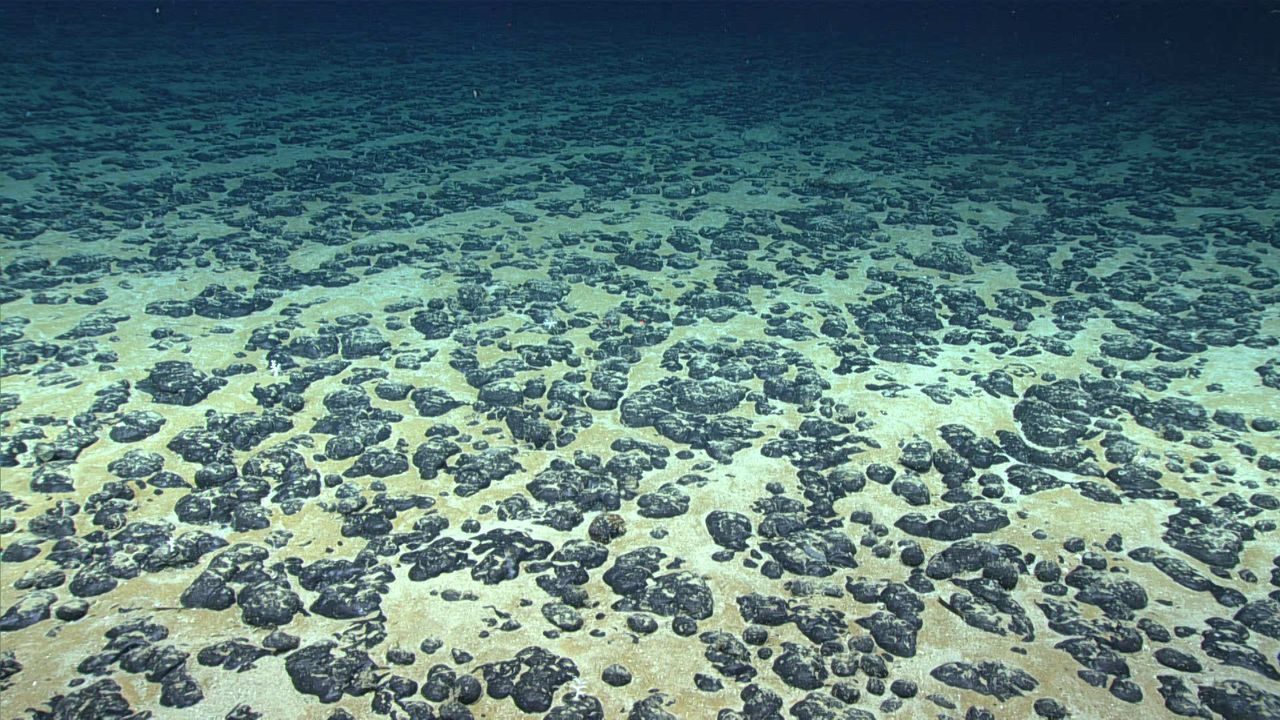
A 2024 study proposed that metallic lumps sitting on the deep seafloor could generate oxygen through a process called water electrolysis, entirely without sunlight. The researchers called this phenomenon “dark oxygen” — oxygen produced in the pitch-black depths of the ocean, far beyond the reach of photosynthesis. It was the kind of discovery that, if true, would force scientists to rethink the very origins of complex life on this planet.
But a growing number of experts are now pushing back hard. Critics have published a new opinion article arguing the original study was flawed, inconsistent with previous research, and — in their words — “fundamentally at odds with thermodynamics.” Some are calling for the paper to be retracted entirely.
What the “Dark Oxygen” Claim Actually Said
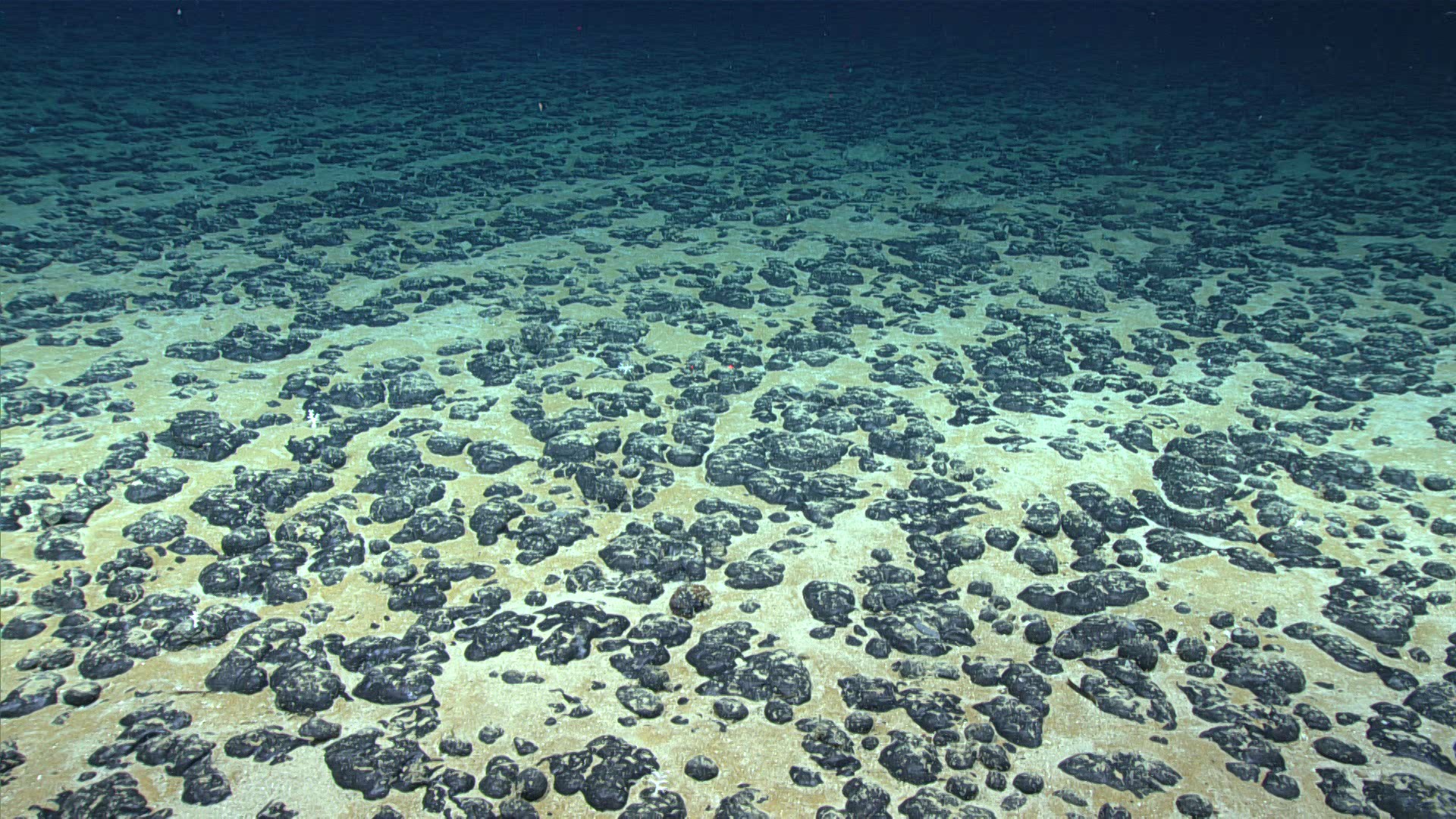
The 2024 study centered on polymetallic nodules — naturally occurring metallic lumps found scattered across the deep ocean floor. The researchers argued these nodules could split water molecules into hydrogen and oxygen through electrolysis, essentially acting like tiny batteries in the dark.
This would mean oxygen could be produced in environments completely cut off from sunlight — a finding with enormous implications. Life as we understand it depends on oxygen, and the assumption has long been that photosynthesis, driven by sunlight, is the primary engine behind oxygen production on Earth. A deep-sea, light-independent oxygen source would challenge that foundation.
The claim attracted widespread attention when it was published, generating headlines around the world and sparking debate about what it might mean for the search for life on other planets, where sunlit conditions cannot be assumed.
Why Scientists Are Calling It Fundamentally Flawed
The critics’ objections are not minor technical quibbles. According to the new opinion article, the dark oxygen study’s conclusions are inconsistent with prior research and conflict with basic principles of thermodynamics — the branch of physics governing energy transfer and transformation.
Thermodynamics sets firm limits on what kinds of reactions are physically possible under given conditions. For water electrolysis to occur naturally in the deep sea at the scale described, it would require an energy source capable of driving that reaction. Critics argue the study failed to convincingly demonstrate that the metallic nodules could supply that energy, making the core claim physically implausible.
The word “fundamentally” is doing a lot of work in their critique. This is not a dispute about methodology alone — it is a challenge to whether the proposed mechanism could work at all under the laws of physics as we know them.
What the Evidence Actually Shows — and Where It Falls Short
| Claim | Status According to Critics |
|---|---|
| Metallic nodules produce oxygen via electrolysis | Disputed — said to conflict with thermodynamics |
| Findings consistent with prior deep-sea research | Disputed — critics say it contradicts existing literature |
| Study methodology sound | Disputed — described as flawed in the opinion article |
| Paper should be retracted | Recommended by critics in new opinion piece |
| Original researchers standing by their findings | Confirmed — plans for further investigation announced |
The scientific record on this question remains contested. The original research team has not walked back their conclusions, and the debate is ongoing within the scientific community.
The Original Researchers Are Not Backing Down
Despite the pointed criticism and the calls for retraction, the team behind the 2024 dark oxygen study appears undeterred. According to reports, the researchers have recently announced plans to deploy robots to continue investigating the phenomenon in the deep sea.
That decision is notable. Rather than retreating in the face of scientific criticism, the team is doubling down — apparently confident enough in their original observations to invest in further fieldwork. Whether that continued research will produce data strong enough to answer the thermodynamics objections remains to be seen.
This kind of standoff is not unusual in science. Extraordinary claims frequently attract fierce resistance, and history offers examples in both directions — cases where the critics were right, and cases where the lone dissenting researchers eventually proved their point. The dark oxygen debate has not yet reached its conclusion.
Why This Debate Matters Beyond the Lab
For most people, a dispute among oceanographers about seafloor chemistry might seem remote from everyday life. But the stakes here are genuinely broad.
- Origins of life: If oxygen can be produced without sunlight in the deep sea, it raises new questions about where and how life first emerged on Earth.
- Deep-sea mining: Polymetallic nodules are a target for commercial deep-sea mining operations. A finding that they play an active role in ocean chemistry would add another dimension to that already contentious debate.
- Astrobiology: The possibility of light-independent oxygen production has direct implications for the search for life on other worlds, particularly ocean moons like Europa and Enceladus.
- Scientific credibility: The retraction debate touches on how science self-corrects — and whether peer review caught what critics say it should have.
The question of whether dark oxygen is real is not just a niche academic argument. It sits at the intersection of physics, biology, and the search for life beyond Earth.
What Happens Next in the Dark Oxygen Debate
The immediate next step, according to available reporting, is the robotic deep-sea investigation announced by the original research team. That effort could either produce new evidence in support of their claim or fail to replicate the original findings under more rigorous conditions.
Separately, the scientific community will be watching whether the journal that published the original study responds to the retraction calls. Retractions in science are relatively rare and typically require either evidence of misconduct or a fundamental, demonstrable error — the critics appear to be arguing the latter applies here.
Until new data emerges or a formal editorial decision is made, the 2024 dark oxygen study remains published and contested — a live dispute at the edge of what science currently understands about life and chemistry in the deep ocean.
Frequently Asked Questions
What is “dark oxygen”?
Dark oxygen refers to the claim made in a 2024 study that metallic nodules on the deep seafloor can produce oxygen through water electrolysis, without any sunlight involved.
Why are scientists calling for the study to be retracted?
Critics published a new opinion article arguing the study is flawed, inconsistent with prior research, and “fundamentally at odds with thermodynamics,” meaning the proposed mechanism may not be physically possible.
What are polymetallic nodules?
Polymetallic nodules are naturally occurring metallic lumps found on the deep ocean floor. The 2024 study proposed these nodules could act as a source of oxygen production in the dark depths.
Are the original researchers backing down?
No. Despite the criticism and retraction calls, the researchers behind the 2024 study have announced plans to deploy robots to continue investigating the phenomenon.
Has the study been retracted?
As of the latest available reporting, the study has not been retracted and remains published, though critics are actively calling for that outcome.
Why does this matter outside of oceanography?
The debate has implications for our understanding of the origins of life on Earth, the ethics of deep-sea mining, and the search for life on other planets where sunlight is not available.




Leave a Reply