
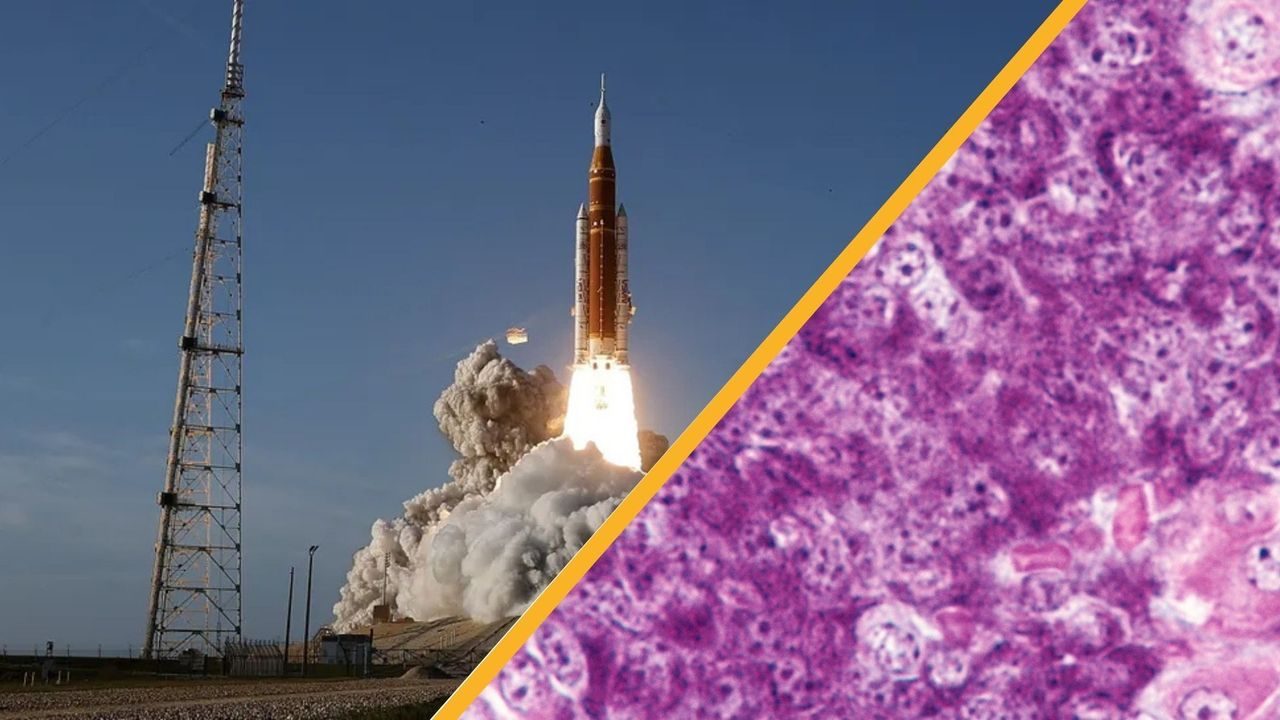
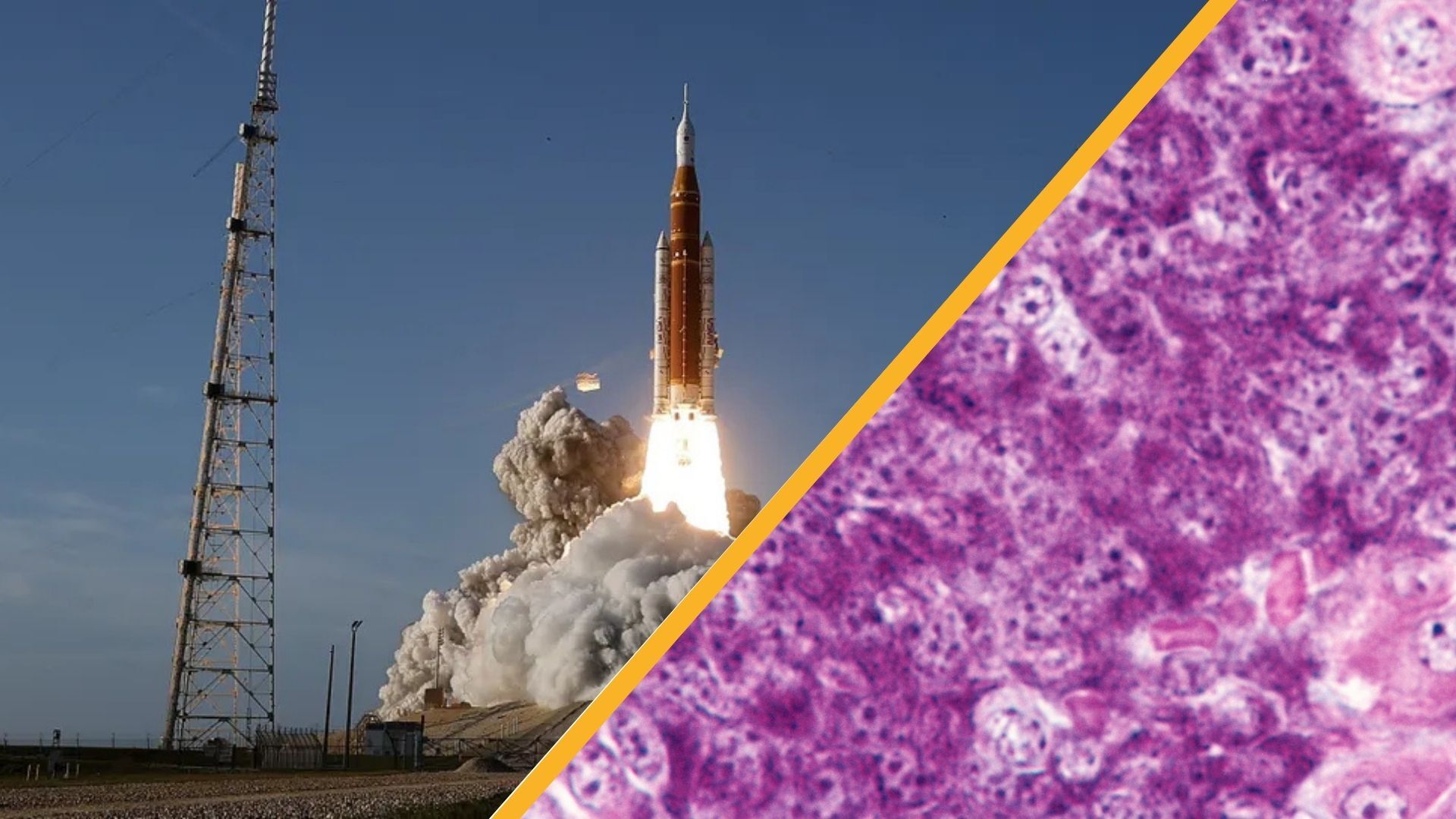
Three stories broke through the noise of a busy week in science — and each one carries implications that stretch far beyond the headlines. Humans are headed back toward the moon, a potential breakthrough in Type 1 diabetes research has emerged from a laboratory, and an unexpected consequence of China’s air quality improvements is now being felt thousands of miles away in the Arctic.
It’s the kind of week that reminds you how quickly the world can shift — sometimes through a rocket launch, sometimes through a petri dish, and sometimes through the unintended ripple effects of a country cleaning up its skies.

Here’s what happened, why it matters, and what comes next.
Artemis II: Humans Are Heading Toward the Moon Again
NASA’s Artemis II mission launched this week, marking a historic milestone in human spaceflight. This is the first crewed mission in the Artemis program, which aims to return humans to the lunar surface for the first time since the Apollo era.
Unlike Artemis I — which was an uncrewed test flight — Artemis II carries astronauts on a journey around the moon. It’s a critical step in proving that the Space Launch System and Orion spacecraft can safely support a human crew on a deep-space trajectory.
The significance of this moment is hard to overstate. No humans have traveled beyond low Earth orbit since the final Apollo mission in 1972. Artemis II represents the first time in over five decades that people have ventured toward deep space — and it sets the stage for a future crewed lunar landing under Artemis III.
What the Diabetes Research in Mice Could Mean for Millions
Scientists reported this week that they have cured Type 1 diabetes in mice — a finding that has generated significant attention in the medical research community, though it comes with important caveats.
Type 1 diabetes is an autoimmune condition in which the body’s immune system attacks and destroys the insulin-producing beta cells in the pancreas. People with the condition require lifelong insulin management, and there is currently no cure in humans.
The mouse study represents a potential step forward in understanding how the disease might be reversed at a biological level. Researchers have been working for years on approaches that could either regenerate beta cells or protect them from immune attack, and findings in animal models — while not directly transferable to humans — help map the path toward future therapies.
It’s worth being clear: a cure in mice does not mean a cure in humans is imminent. The gap between animal studies and human clinical trials is wide, and many promising findings in rodents have not translated to human medicine. But this kind of research is exactly how progress gets made, one verified step at a time.
The Surprising Link Between Chinese Smog Reduction and Arctic Storms
Perhaps the most counterintuitive story of the week: China’s significant efforts to reduce air pollution — widely seen as an environmental success — appear to have had an unexpected knock-on effect on weather patterns in the Arctic.
The research suggests that reducing smog and particulate matter in China has altered atmospheric conditions in ways that are now influencing storm behavior thousands of miles away. This is a striking example of how interconnected Earth’s climate systems are — a change made for entirely positive local reasons can produce effects on the other side of the planet that nobody fully anticipated.
The findings highlight one of the central challenges in climate science: interventions that improve conditions in one region can shift energy and weather dynamics elsewhere. Understanding these connections is essential as countries around the world undertake large-scale emissions reduction efforts.
Why These Three Stories Matter Together
Taken individually, each of these stories is significant. Together, they illustrate something broader about where science stands right now.
| Story | Field | Key Development | Stage |
|---|---|---|---|
| Artemis II Launch | Space Exploration | First crewed deep-space mission since Apollo era | Active / In Progress |
| Type 1 Diabetes Cure | Medical Research | Diabetes reversed in mice | Animal Study / Pre-clinical |
| China Smog and Arctic Storms | Climate Science | Air quality improvements linked to Arctic weather changes | Published Research |
Space exploration is advancing in real time, with humans once again pushing beyond the bounds of low Earth orbit. Medical science is inching toward solutions for conditions that affect hundreds of millions of people globally. And climate research is revealing just how tightly coupled the world’s atmospheric systems really are.
What Happens Next for Each of These Stories
For Artemis II, the mission is underway. The crewed lunar flyby is intended to validate the systems and procedures that will be needed for Artemis III, which is planned to land humans on the moon’s south pole — a region of scientific interest due to evidence of water ice.
For the diabetes research, the next steps involve further investigation into whether the mechanisms identified in mice can be replicated or adapted for human biology. That process typically involves years of additional preclinical work before human trials could even be considered.
For the China-Arctic climate connection, researchers will likely continue studying the atmospheric pathways involved. The findings add a new dimension to ongoing debates about the global consequences of regional emissions changes — and could influence how scientists model the downstream effects of future clean air policies.
All three stories are still developing. But each one moved the needle this week in ways that will matter for a long time to come.
Frequently Asked Questions
What is the Artemis II mission?
Artemis II is NASA’s first crewed mission in the Artemis program, sending astronauts on a journey around the moon — the first time humans have traveled toward deep space since the Apollo era.
Have scientists actually cured Type 1 diabetes in humans?
No. The reported cure was achieved in mice, not humans. Animal study results do not automatically translate to human medicine, and significant additional research would be required before any human application could be considered.
How does China’s smog reduction affect the Arctic?
Research this week suggested that China’s air pollution reductions have altered atmospheric conditions in ways that appear to influence storm behavior in the Arctic, highlighting how interconnected global climate systems are.
Is Artemis II a landing mission?
No. Artemis II is a crewed lunar flyby mission designed to test the spacecraft and systems. A crewed lunar landing is planned for a future mission, Artemis III.
Why does a diabetes cure in mice matter if it doesn’t work in humans yet?
Animal studies are a critical early stage in medical research — they help scientists understand the biological mechanisms involved and identify potential therapeutic approaches before human trials can begin.
Could reducing air pollution in one country really affect weather somewhere else?
According to the research reported this week, yes — China’s smog reductions appear to have had measurable effects on Arctic storm patterns, illustrating how changes in one region can ripple through global atmospheric systems.


Leave a Reply