
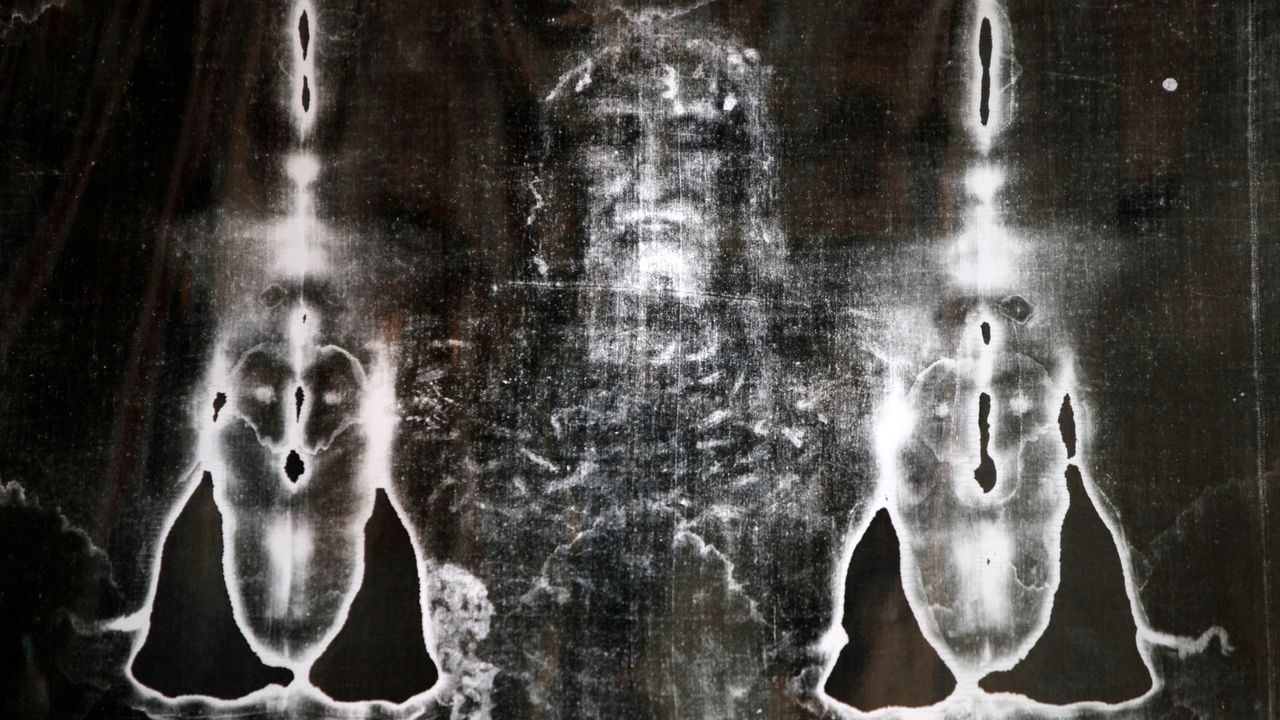
A linen cloth venerated by millions as the burial shroud of Jesus Christ may have a far more complicated — and earthly — origin story than believers have long assumed. New research has found that the Shroud of Turin carries the DNA of multiple people, along with a remarkable collection of biological traces from species including carrots, melons, and red coral.
That alone would raise eyebrows. But researchers say the findings go further: some of the DNA patterns point toward an origin in India, not the Middle East — a detail that cuts directly against the cloth’s most famous claim to authenticity.
And perhaps most tellingly, the study found a notable absence of plant and animal species traditionally associated with the Levant region, the area where Jesus is said to have lived and died. For a cloth that supposedly wrapped the body of a man from first-century Judea, that’s a significant gap.
What the Shroud of Turin Actually Is — and Why It’s Contested
The Shroud of Turin is a length of linen fabric housed in the Cathedral of Saint John the Baptist in Turin, Italy. It bears the faint image of a man who appears to have suffered wounds consistent with crucifixion, and for centuries, many Christians have believed it to be the burial cloth of Jesus.
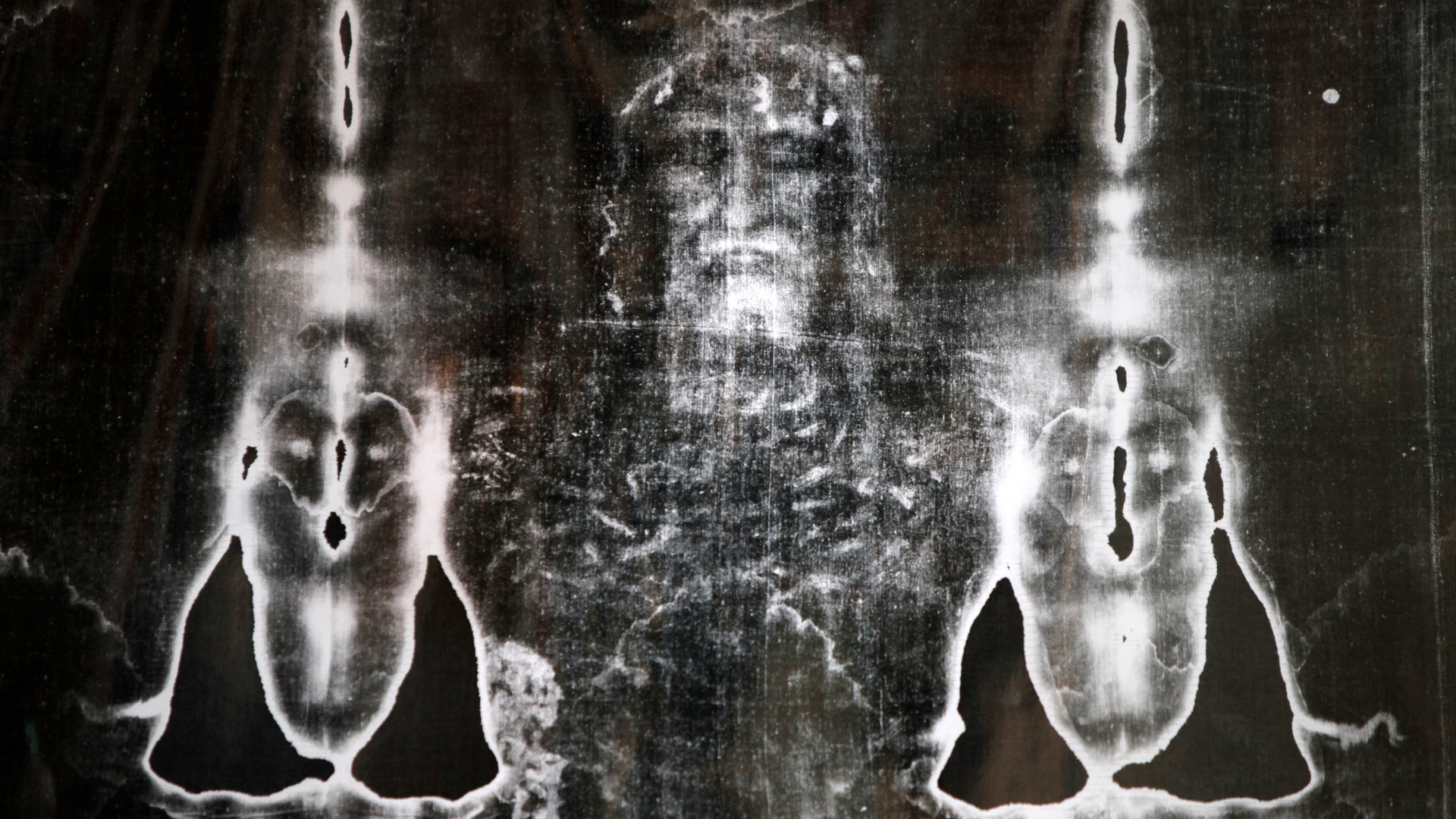
The cloth has been one of the most studied — and most disputed — religious artifacts in the world. Scientists, historians, and theologians have spent decades arguing over its age, origin, and authenticity. Carbon dating conducted in 1988 suggested the cloth was medieval, dating to sometime between 1260 and 1390 CE. Believers have challenged those results repeatedly, arguing that contamination skewed the findings.
This new DNA study adds a fresh layer to that long-running debate — and its conclusions are striking.
What the DNA Study Found
Researchers analyzing the shroud discovered that the cloth contains biological material from a wide and unexpected range of sources. The DNA traces don’t just belong to one person — they belong to multiple people, suggesting the cloth has passed through many hands over a very long period of time.
Beyond human DNA, the researchers identified genetic material from a surprising variety of species. The presence of plants like carrots and melons, along with marine organisms like red coral, raises serious questions about where the cloth has been and what it came into contact with throughout its history.
The detail that researchers say is most significant, however, is the apparent Indian connection. Some of the DNA traces suggest an influence from India, which the researchers argue could point to the cloth having originated there — or at least having spent meaningful time in that part of the world.
| Finding | What It Suggests |
|---|---|
| DNA from multiple people | The cloth has been handled by many individuals over time |
| Carrot and melon DNA | Contact with plant species not specific to the Levant |
| Red coral DNA | Exposure to marine organisms, possibly through trade routes |
| DNA traces linked to India | Possible Indian origin or significant time spent in that region |
| Absence of Levant-region species | Little biological evidence connecting the cloth to ancient Judea |
The Missing Evidence Is Just as Important as What Was Found
In scientific investigations, what’s absent can matter just as much as what’s present. And in this case, the absence is loud.
Researchers noted that the shroud lacks DNA from species that would be expected if the cloth genuinely originated in the Levant — the region encompassing modern-day Israel, Palestine, Lebanon, and surrounding areas. The Bible and historical accounts of Jesus’ burial describe a specific cultural and geographic context. The biological record on the cloth doesn’t match that context.
This doesn’t mean the shroud is definitively fake — absence of evidence is not the same as evidence of absence. But it does mean the cloth’s biological fingerprint points away from ancient Judea and toward other parts of the world, including, potentially, India.
Skeptics of the shroud’s authenticity argue this is consistent with the carbon dating results from the 1980s, which placed the cloth’s origin firmly in the medieval period. Supporters of the cloth’s authenticity have long argued that contamination distorted those earlier tests — and some will likely raise the same objection here.
Why This Discovery Matters Beyond Religious Debate
Whatever your view on the shroud’s religious significance, this study is a reminder of how much information is locked inside ancient objects — and how modern DNA analysis is changing what we can learn from them.
The technique used here, extracting and analyzing environmental DNA from a historical artifact, is increasingly being applied to objects ranging from ancient manuscripts to mummified remains. Each application produces a kind of biological map of where an object has been, who touched it, and what surrounded it.
For the shroud specifically, the findings add to a body of evidence that many researchers say points away from a first-century Palestinian origin. The combination of multi-person human DNA, unexpected plant species, marine organisms, and a possible Indian connection paints a picture of a cloth with a complex, well-traveled, and likely medieval history.
What Comes Next for the World’s Most Famous Relic
The Catholic Church has never officially declared the Shroud of Turin to be authentic, describing it instead as an icon — an object of veneration regardless of its precise historical origin. That careful position leaves room for ongoing scientific investigation without directly challenging the cloth’s spiritual importance to believers.
Further DNA studies and cross-referencing with historical trade records could help researchers narrow down where the cloth actually came from. The Indian connection flagged in this study, for instance, could be explored through comparisons with textile production regions and known trade routes of the medieval period.
For now, the shroud remains what it has always been: one of history’s most debated objects, and one that continues to generate more questions than answers.
Frequently Asked Questions
What is the Shroud of Turin?
The Shroud of Turin is a linen cloth bearing the image of a man with wounds consistent with crucifixion. Many believe it to be the burial cloth of Jesus Christ, though its authenticity has been debated for decades.
What did the DNA study find on the shroud?
Researchers found DNA from multiple people, as well as biological traces from species including carrots, melons, and red coral. Some DNA patterns were linked to India, suggesting a possible origin or history there.
Why is the Indian DNA connection significant?
Researchers argue that DNA traces suggesting an Indian influence could mean the cloth originated in India or spent significant time there — which would be inconsistent with a first-century Judean origin.
What species were notably absent from the shroud?
The study found a notable absence of plant and animal species traditionally associated with the Levant region, which is where Jesus is said to have lived. This absence weakens the case for a Middle Eastern origin.
Has the Catholic Church declared the shroud authentic?
The Catholic Church has not officially declared the shroud to be authentic. It describes the cloth as an icon — an object worthy of veneration — without making a definitive historical claim about its origin.
Does this study prove the Shroud of Turin is fake?
The study does not definitively prove the shroud is a forgery, but its findings — combined with earlier carbon dating placing the cloth in the medieval period — add to a growing body of evidence that challenges its claimed first-century origin.




Leave a Reply