
Beneath the cold, grey waters of the North Sea lies one of the most extraordinary lost landscapes on Earth — and new research suggests it was once a thriving, forested refuge teeming with wildlife, long before the last ice age fully retreated.
The sunken landmass known as Doggerland, which once connected Britain to mainland Europe, hosted temperate forests as early as 16,000 years ago, according to a new study. That timeline is striking because it predates the recolonization of Britain by similar forests by a significant margin — suggesting this now-submerged territory may have served as a critical sanctuary for plants, animals, and possibly humans during one of the most challenging climatic periods in prehistoric history.
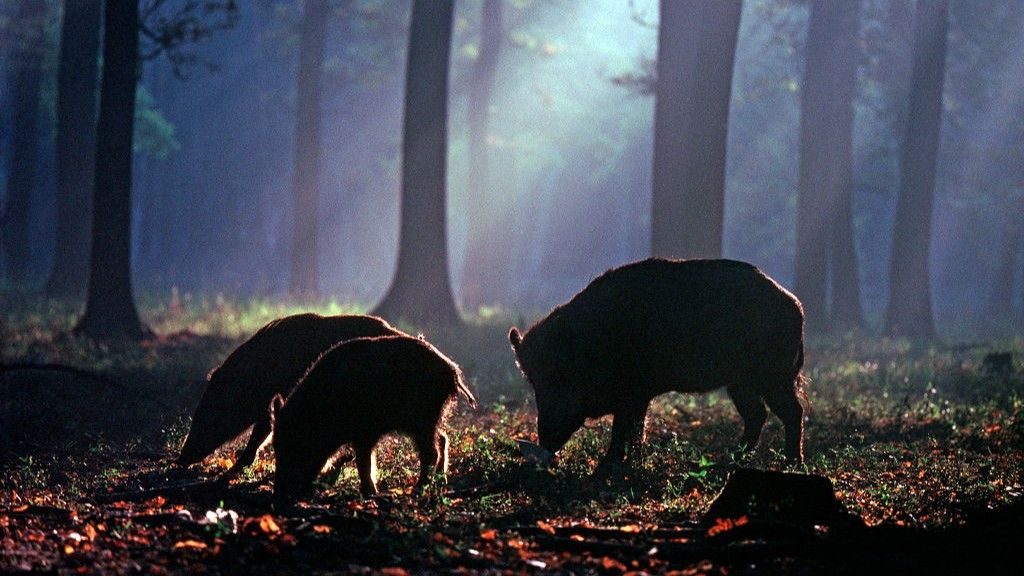
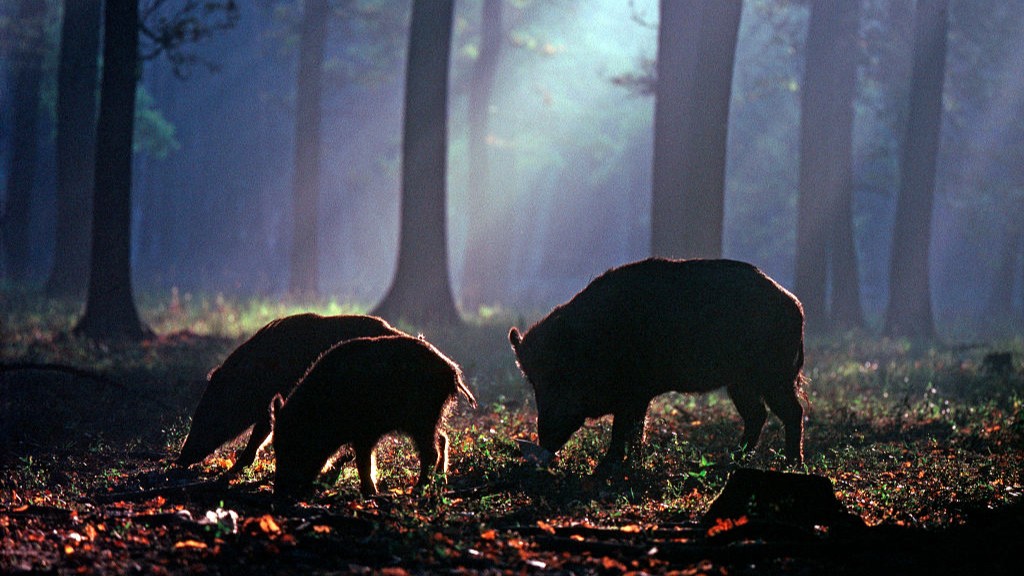
Ancient DNA recovered from the region has revealed evidence of boars, deer, bears, and aurochs — the enormous wild cattle that once roamed across much of Eurasia. It is a picture of a living, breathing ecosystem hidden beneath modern waves.
What Doggerland Actually Was
Doggerland was not a small island or a narrow land bridge. It was a substantial landmass — a broad, low-lying territory that stretched across what is now the southern North Sea, connecting the eastern coast of England to what are today the Netherlands, Denmark, and Germany.
For tens of thousands of years, it was simply part of the northwestern European landscape. People walked across it. Animals roamed it. Rivers ran through it. Then, as the last ice age ended and global temperatures rose, sea levels climbed steadily. By around 8,000 years ago, rising waters had swallowed most of the territory. The final remnants disappeared beneath the sea a few thousand years after that.
Because it is now underwater, Doggerland has been extraordinarily difficult to study. Most of what researchers know has come from sediment cores, occasional artifacts dredged up by fishing nets, and more recently, ancient DNA analysis — the technique at the heart of this new research.
What the Ancient DNA Evidence Reveals About Doggerland’s Ice Age Forests
The new study’s most significant finding is the age of the forests. Temperate woodland ecosystems were established in parts of Doggerland as far back as 16,000 years ago — a period when much of Britain remained too cold and inhospitable to support such environments.
That gap matters enormously. If Doggerland had warmer, more sheltered conditions that allowed forests to take root thousands of years before they spread into Britain, it would help explain how certain plant and animal species survived the ice age and were later able to recolonize the British Isles as conditions improved.
The animal evidence recovered through ancient DNA paints a vivid portrait of what that landscape supported:
- Wild boar — adaptable forest animals that thrive in woodland environments
- Deer — dependent on vegetation-rich habitats for grazing and shelter
- Bears — large omnivores requiring substantial, productive ecosystems
- Aurochs — the massive wild ancestors of domestic cattle, requiring open woodland and grassland
Each of these species tells the same story: this was not a barren, frozen tundra. It was a functioning, productive landscape capable of supporting large mammals — and by extension, the human populations who hunted them.
A Refuge Hidden Beneath the Waves
The implications for human prehistory are significant. During the last ice age, much of northwestern Europe was deeply hostile to human settlement. Ice sheets covered vast areas. Tundra conditions dominated. Resources were scarce and unpredictable.
If Doggerland offered relatively mild conditions, forest cover, fresh water, and abundant game as early as 16,000 years ago, it would have been an exceptionally attractive place for hunter-gatherer communities to shelter, survive, and potentially flourish. Researchers have long suspected Doggerland played a role in human migration and survival during this period — this new evidence adds meaningful weight to that hypothesis.
| Key Finding | Detail |
|---|---|
| Location | Doggerland, now submerged beneath the North Sea |
| Connection | Once linked Britain to mainland Europe |
| Forest evidence date | As early as 16,000 years ago |
| Significance of date | Predates similar forest recolonization of Britain |
| Animals identified via ancient DNA | Boars, deer, bears, aurochs |
| Research method | Ancient DNA analysis |
Why This Changes How We Think About Ice Age Europe
The traditional image of ice age northwestern Europe is one of near-total desolation — glaciers pushing down from the north, cold winds sweeping across open tundra, and life retreating south to warmer refuges in Iberia, Italy, or the Balkans.
Doggerland complicates that picture in the best possible way. It suggests that the geography of the North Sea basin created a kind of sheltered pocket — a place where temperatures moderated enough, and conditions stabilised enough, for woodland to establish itself well ahead of the broader regional thaw.
This finding also has implications for understanding biodiversity. If animals like bears and aurochs were surviving in Doggerland’s forests during the ice age, those populations may have served as the source from which Britain and parts of northwestern Europe were later repopulated as the climate warmed. The sunken land was not just a corridor — it may have been a cradle.
What Comes Next in Doggerland Research
Studying Doggerland remains technically demanding. The seabed sediments that preserve ancient DNA are fragile, and the logistics of deep underwater archaeological and environmental work are costly and complex.
However, advances in ancient DNA technology have dramatically expanded what researchers can extract from sediment samples, and this study demonstrates that meaningful ecological reconstructions of the lost landscape are now achievable. Future work is likely to focus on building a more complete timeline of how Doggerland’s environment changed across thousands of years, and on identifying more direct evidence of human habitation within the ancient forests the DNA evidence has now revealed.
The North Sea floor, in other words, still has a great deal left to tell us.
Frequently Asked Questions
What is Doggerland?
Doggerland was a large landmass that once connected Britain to mainland Europe, now submerged beneath the North Sea. It disappeared beneath rising sea levels following the end of the last ice age.
When did Doggerland’s forests exist?
According to the new study, temperate forests were present in parts of Doggerland as early as 16,000 years ago, predating the recolonization of Britain by similar forests.
What animals lived in Doggerland?
Ancient DNA evidence from the study identified boars, deer, bears, and aurochs as inhabitants of Doggerland’s ice age forests.
How do scientists study a submerged landscape like Doggerland?
Researchers use methods including sediment core analysis and ancient DNA extraction from seabed samples, as direct archaeological access to the submerged territory is extremely difficult.
Could humans have lived in Doggerland during the ice age?
The study suggests Doggerland was a habitable refuge during the last ice age, and the presence of large game animals would have made it an attractive environment for hunter-gatherer communities, though specific human habitation evidence from this study has not been confirmed in the available source material.
When did Doggerland finally disappear beneath the sea?
Most of Doggerland was swallowed by rising sea levels by around 8,000 years ago, with the final remnants submerging a few thousand years after that.


Leave a Reply