
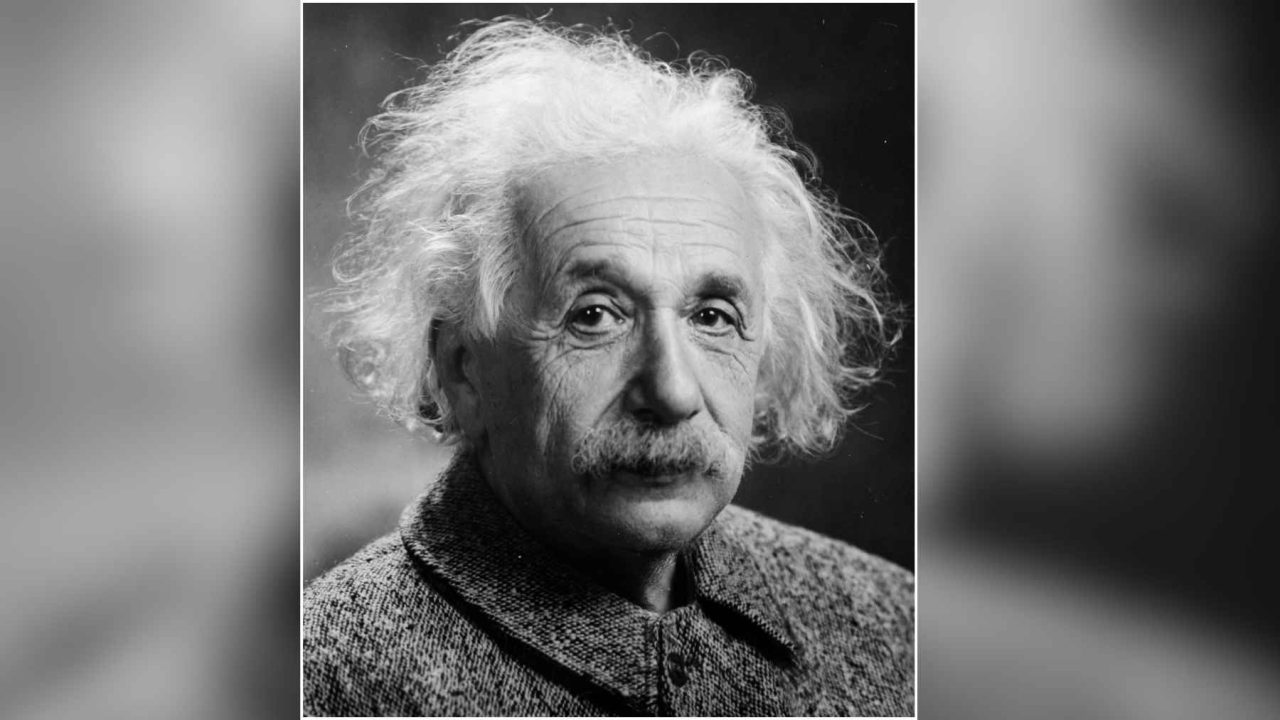
One of the most widely shared quotes on the internet — “You have to learn the rules of the game. And then you have to play better than anyone else” — has been pinned to Albert Einstein’s name on countless motivational posters, LinkedIn posts, and business blogs. There’s just one problem: the historical evidence that Einstein ever said it is remarkably thin.
That gap between legend and reality is worth examining, especially when the man the quote is attached to actually did something far more extraordinary than any pithy one-liner could capture. Between 1915 and 1919, Einstein genuinely overturned centuries of scientific thinking — and almost nobody saw it coming.
The story of how a real quote may have migrated to the wrong person, and what Einstein actually accomplished, turns out to be more interesting than the inspirational content it inspired.
What Einstein Actually Did Between 1915 and 1919
Einstein completed his general theory of relativity in 1915. That achievement didn’t just add a new chapter to physics — it fundamentally changed how scientists understand gravity itself, replacing the framework Isaac Newton had built more than two centuries earlier.
Newton’s model of gravity had stood largely unchallenged since the late 1600s. It worked. It predicted planetary orbits. It explained why objects fall. For generations of scientists, it was simply how the universe operated. Einstein proposed something different: that gravity is not a force acting between objects across empty space, but a curvature of spacetime caused by mass and energy.
The theory was bold, abstract, and extremely difficult to test. That changed in 1919, when observations made during a solar eclipse provided evidence consistent with Einstein’s predictions about how light bends around massive objects. Those eclipse results helped transform Einstein from a respected physicist into an international celebrity almost overnight.
What followed was one of the more unusual Nobel Prize stories in the history of science. When Einstein was awarded the Nobel Prize in Physics, it was not for the general theory of relativity — the work that had made him famous — but for his earlier explanation of the photoelectric effect. That detail alone says something about how complicated and contested the process of scientific recognition can be, even for the most celebrated minds of an era.
The Quote That Probably Isn’t His
The line attributed to Einstein — about learning the rules of the game and then playing better than anyone else — has circulated so widely that many people treat it as established fact. But the sourcing doesn’t hold up under scrutiny.
According to a 2016 article in The Guardian and a later piece by the Bar Association of San Francisco, the clearest traceable origin of the quote points not to Einstein but to a 1985 interview in Cosmopolitan with Dianne Feinstein. In that interview, the line appeared in a longer form, addressing commitment, teamwork, and the importance of understanding how systems work before trying to change them.
That’s a meaningful difference. In Feinstein’s framing, the idea was grounded in practical political and professional experience. Somewhere along the way, the quote shed its original context, got shortened, and ended up attached to Einstein — a name that lends almost any statement an air of genius-level authority.
This kind of misattribution is surprisingly common. Einstein, Mark Twain, Winston Churchill, and Abraham Lincoln are among the most frequently cited sources for quotes they almost certainly never said. Researchers who study this phenomenon sometimes call it “quotation gravity” — the tendency for memorable lines to drift toward famous names.
A Side-by-Side Look at the Two Stories
| Element | Details |
|---|---|
| Quote as commonly attributed | “You have to learn the rules of the game. And then you have to play better than anyone else.” |
| Attributed to | Albert Einstein (widely, across social media and print) |
| Likely actual source | Dianne Feinstein, in a 1985 Cosmopolitan interview |
| Sources that investigated the trail | The Guardian (2016), Bar Association of San Francisco |
| Einstein’s actual Nobel Prize subject | The photoelectric effect — not general relativity |
| Year general theory of relativity completed | 1915 |
| Year eclipse observations supported the theory | 1919 |
Why Misattributed Quotes Keep Spreading
The internet didn’t create the problem of false attribution, but it accelerated it dramatically. A quote paired with a famous face spreads faster than a correction ever will. By the time a researcher traces a line back to its real origin, the misattributed version has already been shared millions of times.
There’s also something psychologically convenient about attaching wisdom to Einstein specifically. His name carries the shorthand of genius. A quote about strategy and mastery sounds more authoritative — more worth taking seriously — when it appears to come from someone who rewrote the laws of physics.
The irony is that Einstein’s real story doesn’t need the boost. The actual arc of his career — developing a theory so radical it took years and a solar eclipse to begin confirming, then winning a Nobel Prize for a completely different discovery — is already remarkable. The invented version of Einstein, dispensing life advice in clean sentences, is considerably less interesting than the real one.
What This Means for How We Read Inspiration
None of this means the quote is bad advice. Learning how a system works before trying to operate within it — or change it — is genuinely sound thinking. The idea has real value regardless of who first expressed it.
But the habit of attaching wisdom to the most famous name available flattens history. It erases the actual person who said something worth saying. In this case, it also risks overshadowing a scientific legacy that is far more compelling than any motivational poster.
Einstein changed how humanity understands the universe. That’s the rule he played by — and then rewrote entirely.
Frequently Asked Questions
Did Einstein actually say “You have to learn the rules of the game. And then you have to play better than anyone else”?
The historical sourcing is unclear. Investigations by The Guardian and the Bar Association of San Francisco traced the quote’s clearest origin to a 1985 Cosmopolitan interview with Dianne Feinstein, not to Einstein.
What was Einstein’s general theory of relativity?
Completed in 1915, it fundamentally changed how physicists understand gravity, proposing that gravity results from the curvature of spacetime rather than a simple force between objects — overturning Newton’s centuries-old framework.
What happened in 1919 that made Einstein famous worldwide?
Eclipse observations in 1919 provided evidence supporting Einstein’s predictions about how light bends around massive objects, helping turn him into a global celebrity.
What did Einstein actually win the Nobel Prize for?
Einstein won the Nobel Prize in Physics for explaining the photoelectric effect — not for the general theory of relativity, which is the work most people associate with his name.
Why do so many quotes get falsely attributed to Einstein?
His name carries enormous cultural authority, and memorable quotes tend to drift toward famous names — a phenomenon sometimes described as “quotation gravity.” Einstein, along with figures like Mark Twain and Winston Churchill, is among the most frequently misquoted people in history.
Does it matter who actually said the quote?
The advice itself may still have value, but accurate attribution matters because it gives credit to the real source — in this case, likely Dianne Feinstein — and avoids distorting the historical record of both people involved.




Leave a Reply