
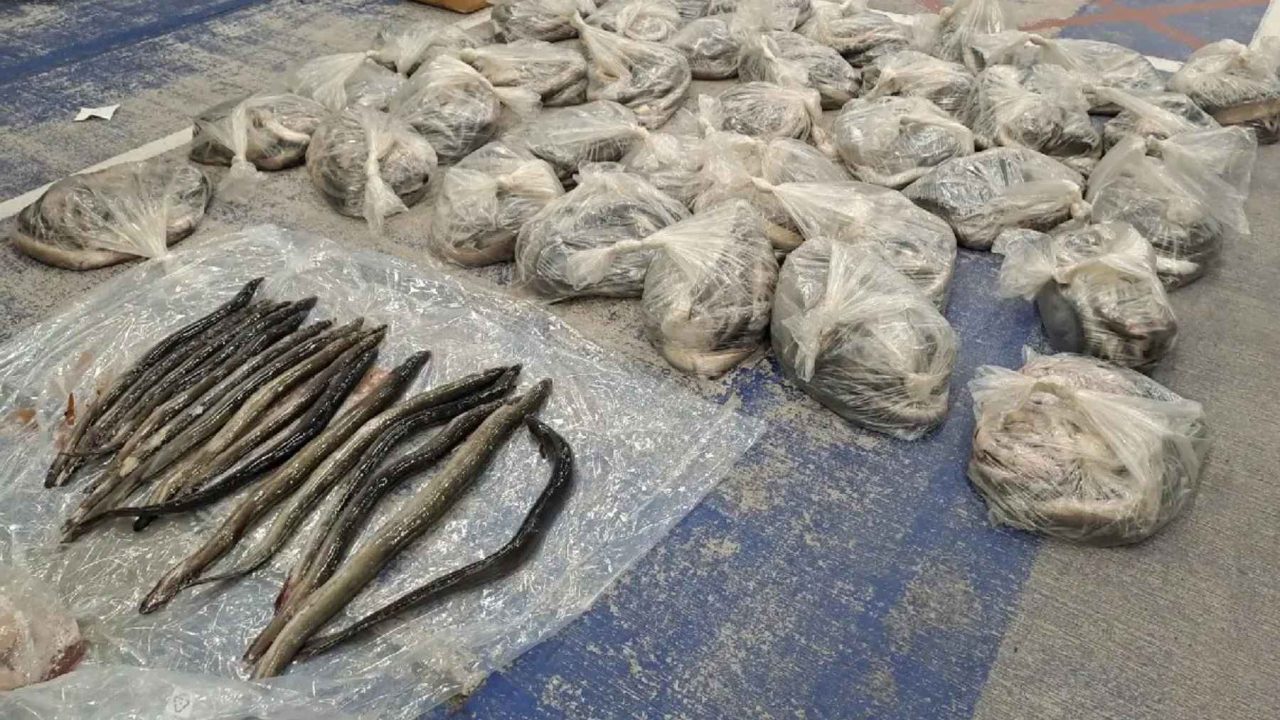
An eel born in the open ocean drifts thousands of kilometers as a tiny, transparent larva before finding its way into a European river — and then, years later, makes that same epic journey in reverse to spawn and die. It sounds almost impossible. For the European eel, that extraordinary life cycle is now under serious threat, and the political fight over what to do about it has pitted scientists against fishing communities in a battle that could reshape coastal livelihoods across Spain’s northern coast.
The International Union for Conservation of Nature (IUCN) lists the European eel as Critically Endangered — the highest threat category before extinction in the wild. That scientific reality has pushed Spain’s Ministry for the Ecological Transition to propose listing the species as “in danger of extinction” under national law, a move that would effectively end legal eel and glass eel fishing in rivers and estuaries.
For fishing communities in Galicia and Asturias, that proposal feels like a punishment for a collapse they say they did not cause. The debate reached a formal crossroads on February 17, when the measure went before Spain’s State Committee for Flora and Fauna — and stalled, after several regional governments pushed back against the strict protection status. But stalled does not mean finished.
The Remarkable — and Now Broken — Life of the European Eel
The European eel (Anguilla anguilla) has one of the most complex life histories of any fish on the planet. It begins life in the Sargasso Sea, that vast patch of the North Atlantic surrounded by ocean currents, where adult eels travel to spawn. The eggs hatch into tiny larvae that drift on ocean currents for thousands of kilometers before reaching the coastlines of Europe and North Africa.
By the time they arrive in estuaries, they have transformed into what fishers call glass eels — small, nearly transparent juveniles that are the most commercially valuable stage of the species. Once in freshwater, they mature into yellow eels, living in rivers, lakes, and wetlands for years or even decades. Eventually they transform again into silver eels and begin the long migration back to the Sargasso Sea to reproduce.
That entire cycle is now severely disrupted. Habitat loss, river barriers like dams, pollution, overfishing, and climate-linked changes to ocean currents have all contributed to a dramatic population decline. Scientists describe the situation as critical, and the IUCN’s Critically Endangered classification reflects decades of data showing the species is in serious trouble across its range.
What Spain’s Proposed Ban Would Actually Mean
The Spanish Ministry for the Ecological Transition’s proposal would give the European eel the highest level of legal protection available under national law. Listing a species as “in danger of extinction” would shut down commercial and professional fishing for eels and glass eels in rivers and estuaries — the very waters where traditional fishing communities have operated for generations.
The stakes are highest in Galicia and Asturias, regions along Spain’s Atlantic and Cantabrian coasts where eel fishing, and particularly the harvest of glass eels, has long been a part of local fishing culture and economy. Professional fishers in those regions argue that their activities are not the primary driver of the eel’s decline and that a blanket ban unfairly targets them while leaving other causes — dam construction, habitat degradation, industrial pollution — largely unaddressed.
Several regional governments appear to share some of those concerns. Their opposition at the February 17 State Committee meeting was enough to prevent the measure from advancing, at least for now.
The European Eel Crisis at a Glance
| Factor | Detail |
|---|---|
| Species | European eel (Anguilla anguilla) |
| IUCN Status | Critically Endangered |
| Maximum size | Over one meter in length |
| Migration distance | Thousands of kilometers between rivers and the Sargasso Sea |
| Life stages | Glass eel → Yellow eel → Silver eel |
| Proposed protection level (Spain) | “In danger of extinction” — highest national category |
| Key regions affected | Galicia and Asturias |
| Proposal reviewed | February 17, State Committee for Flora and Fauna |
| Current status of proposal | Did not advance; debate ongoing |
Who Gets Caught in the Middle
The tension here is real and it runs deep. On one side, scientists and conservationists point to the IUCN’s Critically Endangered listing and argue that without strong legal protection, the species may not recover. On the other, professional fishers and the regional governments that represent them contend that fishing communities are being scapegoated for a problem with many causes.
Advocates for stricter protection argue that the science leaves little room for delay. Critics of the proposal contend that banning fishing without addressing the broader structural causes of eel decline — including barriers to river migration and habitat destruction — will impose serious economic harm on coastal communities without guaranteeing the species’ recovery.
Glass eels in particular carry significant commercial value, which makes the stakes of any ban acutely felt by the fishers who depend on that harvest. A total prohibition would not just affect livelihoods — it would effectively end a traditional practice that has existed along Spain’s northern coast for centuries.
Where This Fight Goes From Here
The proposal did not pass at the February 17 committee meeting, but it has not been withdrawn either. Spain’s Ministry for the Ecological Transition proposed the listing, and the scientific basis for concern has not changed. The debate is expected to continue, with regional governments and fishing industry representatives pushing for alternatives to an outright ban.
What form those alternatives might take — stricter catch limits, seasonal closures, habitat restoration requirements — has not yet been confirmed publicly. What is clear is that the European eel’s situation is serious enough that some form of additional protection is likely to remain on the table. The question is whether the measures ultimately adopted will satisfy scientists and conservationists, or whether fishing communities will succeed in shaping a more limited response.
For a species that has survived millions of years of natural change, the current crisis is a distinctly modern one — and the political window to act may be narrowing faster than the eels themselves can afford.
Frequently Asked Questions
Why is the European eel considered Critically Endangered?
The IUCN lists the European eel as Critically Endangered due to a severe population decline linked to habitat loss, river barriers, pollution, overfishing, and disruptions to its migration routes.
What would Spain’s proposed listing actually ban?
Listing the European eel as “in danger of extinction” under Spanish law would effectively shut down legal eel and glass eel fishing in rivers and estuaries across the country.
Did Spain pass the eel fishing ban?
No. The proposal went before the State Committee for Flora and Fauna on February 17, but did not advance after several regional governments opposed the strict protection status.
Which regions in Spain are most affected by the proposed ban?
Professional fishers in Galicia and Asturias, along Spain’s northern coast, are among the most directly affected communities.
What is a glass eel and why does it matter commercially?
Glass eels are the juvenile stage of the European eel — small, nearly transparent fish that arrive in European estuaries after drifting from the Sargasso Sea. They carry significant commercial value and are a key target of traditional fishing in Spain’s northern rivers.
Is the debate over the eel ban finished?
No. The proposal stalled at committee but has not been withdrawn, and the Ministry for the Ecological Transition has indicated the scientific case for protection remains strong. The debate is ongoing.



Leave a Reply