
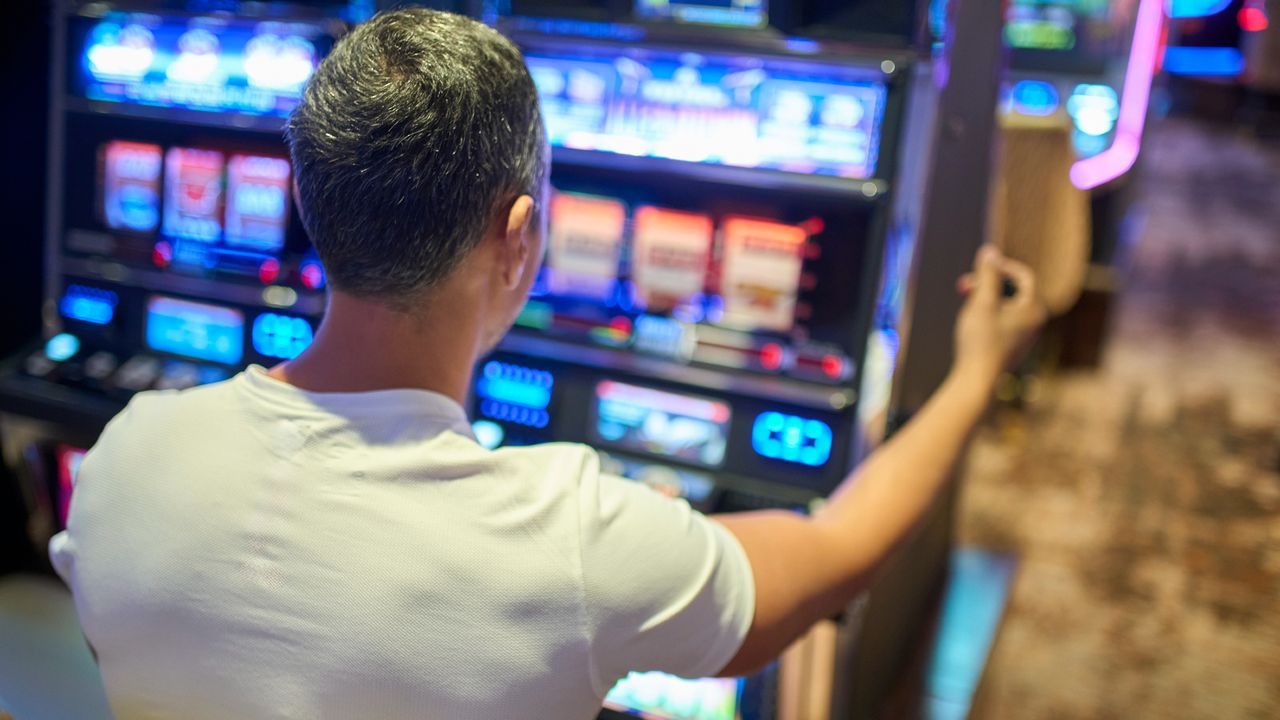
What separates a bad habit from a diagnosable addiction? That question is at the center of a significant debate unfolding right now among the psychiatrists and researchers who decide how mental illness is officially defined in the United States — and the answer could reshape how millions of people understand their relationship with screens, shopping carts, and video games.
Right now, the American Psychiatric Association’s Diagnostic and Statistical Manual of Mental Disorders — known as the DSM-5, and often called psychiatry’s “bible” — recognizes only one behavioral addiction: gambling. But researchers are actively debating whether that definition is too narrow, and whether compulsive behaviors like gaming and shopping deserve a formal place alongside it.
It’s a conversation that matters far beyond academic circles. How the DSM classifies a condition affects everything from insurance coverage to treatment access to how society views people who struggle with these behaviors.
Why Gambling Gets Its Own Category — and Gaming Doesn’t (Yet)
The DSM-5 currently treats gambling disorder as the sole recognized behavioral addiction — meaning it’s the only compulsive behavior, outside of substance use, that psychiatry officially classifies as an addiction. Every other repetitive, compulsive behavior, no matter how disruptive to a person’s life, falls outside that definition under the current framework.
That distinction has real consequences. Without an official diagnosis, people struggling with compulsive gaming or shopping may find it harder to access specialized treatment, harder to get insurance to cover that treatment, and harder to be taken seriously by the people around them.
The debate centers on a fundamental scientific question: what makes something an addiction in the first place? Researchers generally look for patterns like loss of control, continued behavior despite negative consequences, withdrawal-like symptoms when the behavior stops, and a growing need to engage in the behavior to get the same effect. The argument being made by some psychiatrists is that compulsive gaming, and potentially compulsive shopping, can produce those same patterns in some people.
The Case for Expanding the Definition of Behavioral Addiction
Proponents of expanding the DSM’s behavioral addiction category argue that the science has moved well ahead of the official classification system. Studies on compulsive gaming, in particular, have grown substantially over the past decade, and some researchers believe the evidence is now strong enough to warrant formal recognition.
The World Health Organization has already taken a step in that direction. The WHO added “gaming disorder” to its International Classification of Diseases — a separate diagnostic framework used widely outside the United States — which has added weight to the argument that gaming-related compulsion deserves clinical recognition.
Supporters of expanding the definition point to several key factors that they argue distinguish true behavioral addiction from ordinary overindulgence:
- Loss of control over the behavior despite repeated attempts to stop
- Prioritizing the behavior over relationships, work, or basic self-care
- Continuing the behavior even when it causes clear harm
- Experiencing distress or disruption when unable to engage in the behavior
The argument is not that everyone who games for hours or shops frequently has an addiction — but that a subset of people experience these behaviors in ways that are genuinely compulsive and clinically significant.
What the Skeptics Say
Not everyone in the psychiatric community is convinced, and the pushback is worth understanding. Critics of expanding the behavioral addiction category raise concerns that broadening the definition risks pathologizing normal human behavior — turning everyday enthusiasm or stress-driven habits into medical diagnoses.
There are also methodological concerns. Some researchers argue the evidence base for conditions like compulsive gaming or shopping is not yet robust enough, consistent enough, or well-understood enough to justify inclusion in the DSM. They worry that premature classification could lead to overdiagnosis and pull clinical attention and resources away from more established conditions.
The debate reflects a deeper tension in psychiatry between the desire to recognize and treat real suffering and the risk of medicalizing the full spectrum of human behavior.
How the DSM Classification Process Works
Changes to the DSM don’t happen quickly or casually. The American Psychiatric Association convenes working groups of researchers and clinicians who review accumulated evidence, debate diagnostic criteria, and make recommendations over years-long processes. The DSM-5 was published in 2013, and a text revision — the DSM-5-TR — followed in 2022.
| Condition | Current DSM-5 Status | Classification |
|---|---|---|
| Gambling Disorder | Fully recognized | Behavioral addiction |
| Gaming Disorder | Under debate | Not yet classified as addiction |
| Compulsive Shopping | Under debate | Not yet classified as addiction |
Any future edition of the DSM would need to reflect a broad consensus among researchers that the evidence meets the bar for formal classification — a bar that remains contested for gaming and shopping.
What This Means for People Struggling Right Now
For anyone who feels genuinely out of control around gaming or shopping — or who knows someone who does — the practical reality is that the absence of a formal DSM classification doesn’t mean the struggle isn’t real. Mental health professionals can and do treat these behaviors, even without an official addiction label attached to them.
But classification matters in a systemic way. It shapes research funding priorities, influences how insurance companies evaluate treatment claims, and affects how clinicians are trained to recognize and respond to these patterns. A formal diagnosis also carries a kind of social legitimacy that can make it easier for people to seek help without feeling dismissed.
The debate among psychiatrists is, in that sense, not just academic. It’s a conversation about who gets taken seriously and who gets help.
What Happens Next
The discussion about expanding behavioral addiction classifications is ongoing, and no timeline for a definitive decision has been confirmed in the available reporting. Researchers continue to study compulsive gaming and shopping, and future editions of the DSM will reflect whatever consensus emerges from that evolving body of evidence.
For now, gambling remains the only behavior — outside of substance use — that psychiatry’s most authoritative manual officially calls an addiction. Whether gaming joins it may depend on how the next several years of research and debate unfold.
Frequently Asked Questions
What is the only behavioral addiction currently recognized by the DSM-5?
Gambling disorder is the only behavioral addiction listed in the DSM-5, the American Psychiatric Association’s official manual of mental health disorders.
Are psychiatrists considering adding gaming addiction to the DSM?
Yes, researchers and psychiatrists are actively debating whether compulsive gaming — and potentially compulsive shopping — should be formally classified as behavioral addictions in a future edition of the DSM.
Has gaming disorder been recognized anywhere officially?
The World Health Organization has added gaming disorder to its International Classification of Diseases, though this is a separate framework from the American Psychiatric Association’s DSM.
Why does DSM classification matter for everyday people?
Official classification affects insurance coverage for treatment, research funding, clinical training, and the social legitimacy that encourages people to seek help for their struggles.
When will a decision be made about expanding behavioral addiction categories?
No confirmed timeline has been reported. The DSM revision process is lengthy and depends on the accumulation of research consensus over time.
Does a lack of DSM classification mean compulsive gaming or shopping can’t be treated?
No — mental health professionals can treat these behaviors even without a formal addiction classification, but the absence of that label can make access to care more difficult for some people.




Leave a Reply